- Christian Horner, a stalwart in Formula 1, may not be done yet.
- His 20-year tenure at Red Bull has been marked by significant success.
- Recent turmoil following Dietrich Mateschitz’s death has created uncertainty.
- Horner’s leadership may influence future race results and championship standings.
- The potential return of Horner could reshape the competitive landscape of Formula 1.
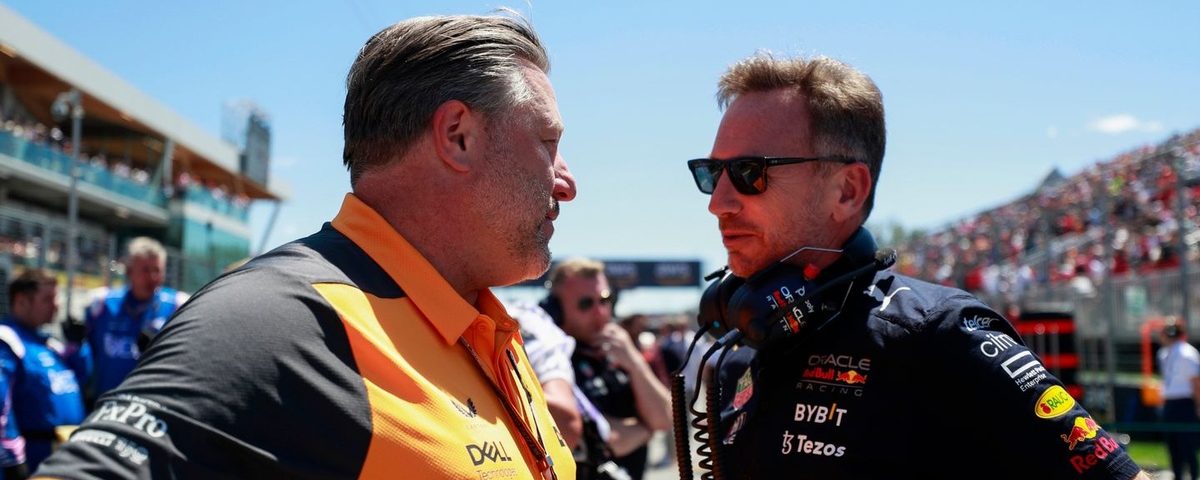
In a recent statement, McLaren Racing CEO Zak Brown expressed his belief that Christian Horner, the long-serving team principal of Red Bull Racing, may not have seen the last of Formula 1. Brown’s comments come in the wake of significant changes within the Formula 1 landscape, particularly after the passing of Red Bull co-founder Dietrich Mateschitz. Horner, who has been at the helm of Red Bull for more than two decades, has led the team to multiple championships and played a pivotal role in its rise to dominance in the sport. Brown’s remarks, made on April 23, 2026, signal both an acknowledgment of Horner’s contributions and an understanding of the complexities of team dynamics in Formula 1.
Formula 1: What You Need to Know
Horner’s tenure at Red Bull is storied and filled with triumphs. Under his guidance, the team secured eight drivers’ and six constructors’ championships, establishing itself as a powerhouse in the sport. However, his position has faced challenges in recent years, particularly with the death of Mateschitz, which has cast a shadow over the team’s future. With Horner’s leadership potentially weakened, questions have arisen about how Red Bull will navigate the evolving competitive environment of Formula 1.
The potential for Horner’s return to the sport raises interesting questions about team strategies and the championship landscape. His experience and understanding of the intricacies of Formula 1 can provide invaluable insights for any team looking to rebound or improve. If he were to return, it could lead to a revitalization of a struggling team or an enhancement of an already competitive one.
The implications of Horner’s future in Formula 1 extend beyond just team leadership; they touch upon race results, championship dynamics, and the overall direction of the sport. If he aligns with a team that has the potential to challenge the current top contenders, we could see shifts in qualifying strategies and race tactics that might alter the trajectory of the championship standings.
Analysis & Key Takeaways
The Impact of Leadership Changes in Formula 1
Leadership in Formula 1 is often a double-edged sword. A strong leader like Horner can galvanize a team, fostering a winning mentality that permeates through every level of the organization. Conversely, transitions in leadership can create instability, affecting team morale and performance on the track. Red Bull’s recent shifts in leadership, coupled with their ongoing struggle to maintain their competitive edge, illustrate how crucial leadership is to sustained success in Formula 1.
Should Horner return, it would not only impact Red Bull but potentially influence the entire paddock. Teams that are currently vying for championship points may need to reassess their strategies in light of a reinvigorated Red Bull. The ripple effect could lead to more intense rivalries, as teams innovate to keep pace with any resurgence spearheaded by Horner’s experience and strategic acumen.
<h2:Future Championship Battles in the Making
The upcoming seasons in Formula 1 promise to be thrilling, particularly with the uncertainty surrounding team leadership and competitive dynamics. The drama of race results is more than just numbers; it’s about the stories behind them. Each championship season is a narrative woven through qualifying performances, race strategies, and the enigmatic personalities of team principals and drivers alike.
With contenders like Mercedes, Ferrari, and McLaren also vying for dominance, the addition of a well-respected figure like Horner could lead to a more competitive environment. This potential shift might not only alter race day outcomes but could dramatically reshape the championship landscape. If Horner’s return occurs, we could witness an escalation in rivalry, with teams scrambling to outmaneuver each other through innovative strategies and driver development.
As we look forward to the next chapter of Formula 1, the role of experienced leaders like Horner will be crucial. Whether he remains in the background or re-emerges in the spotlight, his influence will undoubtedly be felt across the grid.
As we navigate the future of Formula 1, it’s evident that the sport thrives on the interplay between leadership, innovation, and competition. Horner's extensive background in the sport positions him as a potential game-changer, especially if he can harness the lessons learned from his time at Red Bull. His return could galvanize teams that are struggling, igniting a new wave of competition that would benefit not just the teams involved, but also the sport as a whole.<br />
Furthermore, the significance of Horner's return cannot be understated in the context of the ongoing evolution in Formula 1. With the introduction of new regulations and a focus on sustainability, the sport is at a crossroads. Horner's strategic insights could provide teams with the edge they need to adapt to these changes, potentially leading to an exciting new chapter in Formula 1 history. We should expect to see some intriguing developments as this narrative unfolds.
Source: Zak Brown would be “shocked” if Christian Horner didn’t return to F1
Sports News Plus is a news aggregator. We do not own or claim rights to any images, videos, or source content featured on this site. All images and media are the property of their respective original owners and publishers. Article content is independently written based on publicly available news sources, which are credited and linked throughout. Full disclosure →