- Max Verstappen's dissatisfaction with new regulations has sparked discussions about his future in Formula 1.
- Oscar Piastri highlighted the negative implications of Verstappen's exit on the championship's image.
- Fans are divided, debating the impact of Verstappen's potential departure on their teams and the sport's integrity.
- The ongoing criticism of energy management strategies in F1 is fueling anxiety among supporters.
- As the 2026 regulations loom, the future of the championship hangs in the balance, prompting fans to reconsider their allegiances.
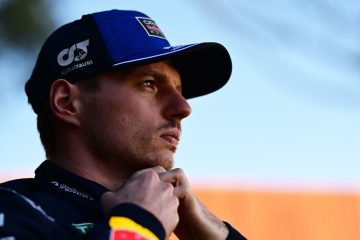
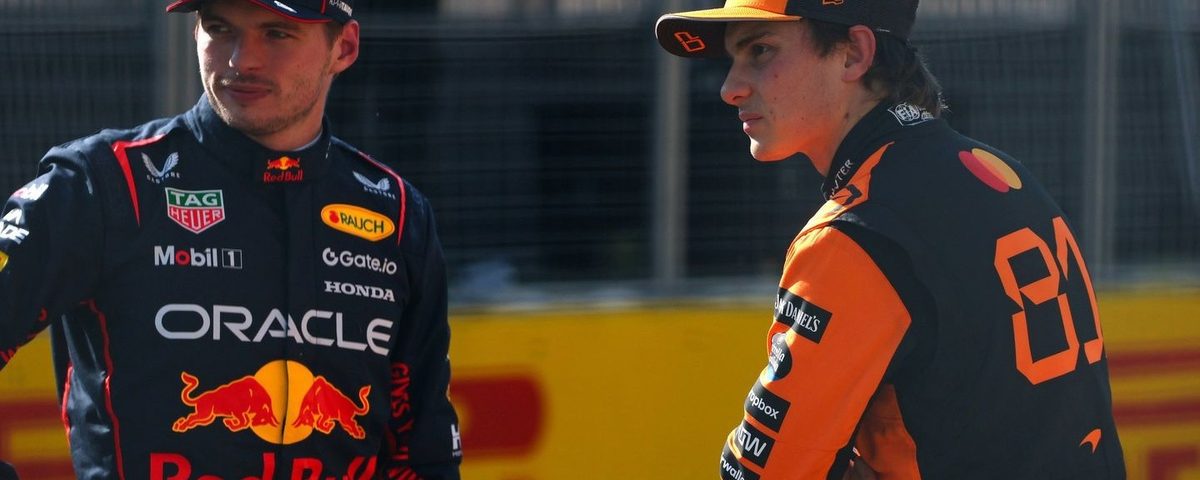
Max Verstappen’s recent comments regarding his future in Formula 1 have sent ripples through the motorsport community. On April 23, 2026, the Dutch driver openly expressed his concerns about the new regulations set to take effect in 2026. These changes, particularly concerning energy management, have led to a racing style that many, including Verstappen himself, believe is detrimental to the spirit of competition. Oscar Piastri, the rising star of McLaren, weighed in on the situation, suggesting that Verstappen’s potential exit would “not be a great look” for a championship that prides itself on its elite drivers and gripping competition.
Formula 1: What You Need to Know
The new regulations have sparked widespread debate among fans and experts alike. Critics argue that the emphasis on energy management has transformed qualifying sessions into strategic conundrums rather than pure speed contests. As a result, many believe that this has diluted the excitement that fans have come to expect from Formula 1 qualifying and race results. For die-hard supporters of the sport, the fear of losing a talent like Verstappen looms large. After all, he is not just a championship contender but a major draw for viewers and sponsors.
As Verstappen considers his options, the sentiment among fans is mixed. Social media platforms have become battlegrounds for differing opinions. Some supporters echo Piastri’s sentiments, arguing that losing Verstappen would diminish the sport’s appeal. They reminisce about past seasons where his battles with rivals were pivotal in shaping exciting narratives throughout the championship. Others, however, feel that the sport must evolve and adapt to ensure sustainability, even if it means distancing itself from its most prominent stars.
The uncertainty surrounding Verstappen’s future raises questions not only about his personal career trajectory but also about the implications for the teams involved. How would his departure affect Red Bull Racing’s chances in the upcoming season? Would they be forced to rebuild their strategy and driver lineup entirely? For fans of Red Bull, the potential loss of their star driver could signify a difficult transition period, while rival teams may view it as an opportunity to capitalize on a weakened competitor.
Analysis & Key Takeaways
Moreover, the broader context of these discussions points to an ongoing identity crisis within Formula 1. The sport is grappling with the balance of innovation and tradition, particularly in light of new sustainability goals. Many fans argue that the essence of racing should remain focused on driver skill and speed rather than fuel management and energy conservation. As the 2026 regulations approach, the sport risks alienating its core fanbase if it strays too far from what has historically made Formula 1 compelling.
As debates continue to swirl on social media, we see supporters rallying around their favorite teams and drivers. Some have taken to forums to express their concerns about the future of the championship and the potential impact on races. The dialogue reflects a deep passion for the sport, but also a palpable sense of anxiety regarding its direction. The idea that Formula 1 could lose one of its most talented drivers is a bitter pill for many fans to swallow, and they are utilizing every platform available to voice their concerns.
In light of these developments, the stakes have never been higher for the sport. The championship’s reputation hinges not only on the drivers who compete but also on the regulations that govern them. The way this situation unfolds could shape the future of Formula 1 for years to come. Fans are hoping for a resolution that aligns with their desires for thrilling races and competitive balance. As the clock ticks towards the implementation of the new rules, the pressure mounts on the FIA to listen to the voices of both drivers and fans alike.
In conclusion, the potential exit of Max Verstappen from Formula 1 is more than just a personal decision; it represents a pivotal moment for the entire sport. The reactions from fans and the ongoing debates surrounding the new regulations highlight a growing disconnect that could have lasting repercussions. It remains to be seen whether the championship can adapt to these challenges while retaining the core elements that define Formula 1 racing.
In our view, the situation surrounding Max Verstappen not only highlights the discontent among drivers regarding the new regulations but also underscores a broader trend within motorsport. Fans are not just concerned about the potential loss of a star driver; they are questioning the integrity of the sport itself. As Formula 1 moves towards more sustainable practices, the challenge lies in preserving the thrill of racing that has captivated audiences for decades.<br />
We believe that the FIA must take heed of these sentiments. If they fail to address the concerns of both drivers and fans, they risk alienating a dedicated audience that has supported the sport through various changes. As the 2026 regulations loom, this is an opportunity for Formula 1 to redefine itself in a way that honors its rich history while embracing the future, but it requires careful consideration of what fans truly value in the world of racing.
Source: Max Verstappen exit would be “not a great look” for F1 – Oscar Piastri
Sports News Plus is a news aggregator. We do not own or claim rights to any images, videos, or source content featured on this site. All images and media are the property of their respective original owners and publishers. Article content is independently written based on publicly available news sources, which are credited and linked throughout. Full disclosure →