- Max Verstappen's discontent with the 2026 regulations raises questions about his commitment to Formula 1.
- His growing interest in GT racing indicates a potential shift in focus from Formula 1.
- The Formula 1 landscape could see a new wave of talent emerge as a result of Verstappen's uncertainty.
- Teams are likely evaluating their driver line-ups more critically in anticipation of Verstappen's potential departure.
- The search for the next F1 megastar is on, with younger drivers poised to seize the spotlight.
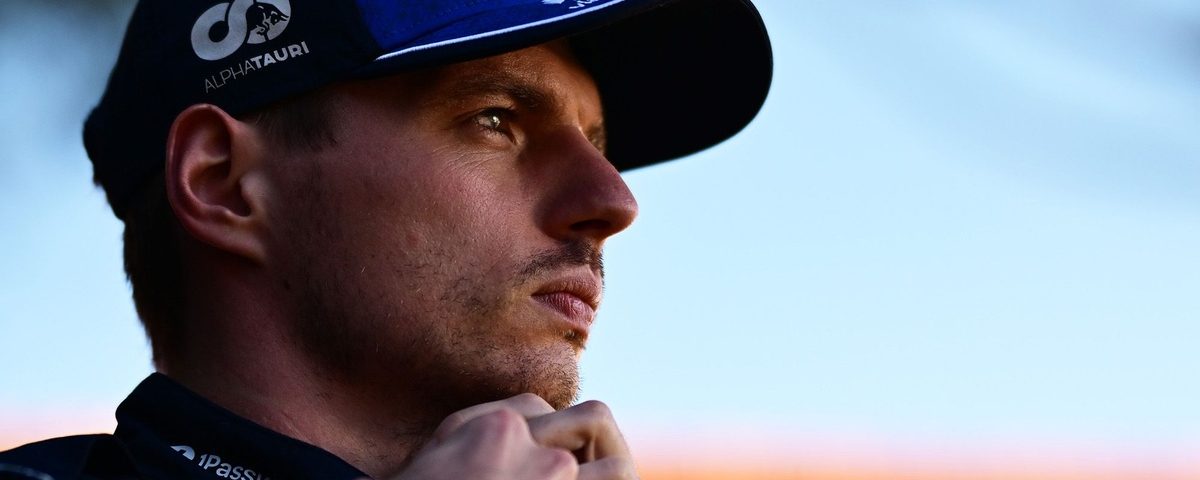
In a landscape defined by innovation and speed, Max Verstappen’s candid remarks regarding Formula 1’s future regulations have sent ripples through the motorsport community. Speaking at the Japanese Grand Prix, Verstappen expressed his dissatisfaction with the upcoming 2026 regulations, which lean heavily towards electric power and increased energy management. This revelation raises significant questions about his future in Formula 1, especially as he actively explores other racing avenues, including GT3 cars in Germany’s NLS (Nurburgring Langstrecken-Serie).
Formula 1: What You Need to Know
This shift in focus from Verstappen, a driver with unparalleled talent and charisma, might signify a more profound transformation in the sport. The 2026 regulations aim to foster a more sustainable future for motorsport, but for a driver like Verstappen, whose driving style thrives on raw power and performance, such changes could be disheartening. The implications of his potential exit from Formula 1 are vast, not only for Red Bull Racing, his current team, but also for the championship landscape as a whole.
As we delve deeper into the technical and strategic dimensions of Verstappen’s future, it’s essential to analyze the broader implications for Formula 1. With the Dutch driver contemplating new racing challenges, a power vacuum could emerge, allowing other drivers to step into the limelight. This analysis leads us to consider who might be poised to take over as the sport’s next megastar.
Tactical Breakdown: The Shift in Formula 1 Dynamics
Verstappen’s potential exit raises important tactical considerations for Formula 1 teams. His driving style, characterized by aggressive overtakes and precision cornering, has set a benchmark for performance. Should he leave, teams must recalibrate their driver line-ups to fill the void left by one of the sport’s most dynamic talents.
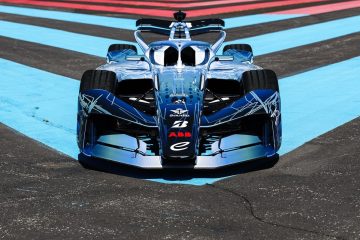
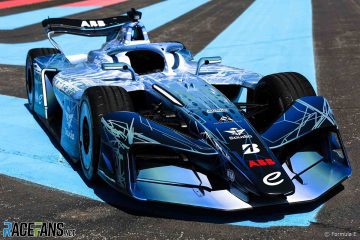
The introduction of the 2026 regulations will also play a critical role in shaping the future of driver dynamics. Teams that adapt quickly to the new energy management systems and electric powertrains will have a competitive edge. This shift will require not just talented drivers but also those who can effectively communicate feedback on the new technologies to their engineers.
Analysis & Key Takeaways
Moreover, with Verstappen’s departure from the forefront, we may witness a reshuffling of driver contracts. Young talents such as George Russell, Lando Norris, and Charles Leclerc have been making their mark, and this could be their golden opportunity to ascend to the role of the championship frontrunner. Their ability to adapt to the evolving technical landscape will be vital in determining who rises to the challenge.
The current crop of young drivers could significantly affect the championship race results. With Verstappen’s experience and skill set, he has been a formidable force on the grid. However, if he decides to focus on other racing disciplines, the championship could become more competitive, as these emerging talents have already demonstrated their capabilities in various race conditions.
Drivers like Russell and Norris possess a unique blend of technical understanding and raw speed, allowing them to capitalize on any opportunity that arises. The championship landscape could see a fascinating dynamic shift, particularly if these drivers are equipped with cars that can effectively harness the new electric power regulations.
As we look ahead, the implications of Verstappen’s potential departure cannot be underestimated. Formula 1 must brace itself for a new era, one where the next generation of drivers is ready to seize the moment. The pursuit of the championship has never been more wide open, and fans can anticipate thrilling races and unexpected results as teams adapt to the changing technological landscape.
In conclusion, while Verstappen’s uncertainties cast a shadow over the 2026 season, they also illuminate a path for a new wave of talent to emerge. The question of who will replace him as Formula 1’s megastar is more than just speculation; it is a pivotal moment in the sport’s evolving narrative.
From our perspective, Verstappen's potential departure could be a double-edged sword for Formula 1. On one hand, it presents an opportunity for fresh talent to shine, creating a more competitive racing environment. On the other hand, it risks losing one of the most charismatic and skilled drivers the sport has seen in recent years. His influence on the track, combined with his fan base, has significantly elevated the profile of Formula 1, and his absence could lead to a dip in excitement.<br />
Additionally, we must consider the broader implications of the 2026 regulations. Transitioning to electric power and energy management is not just a technical shift; it's a cultural one that could redefine how fans perceive the sport. If established champions like Verstappen are unwilling to adapt, we may see a generational divide in the sport, with younger drivers ready to embrace technological advancements and traditionalists resisting change.<br />
This is a critical juncture for Formula 1, and as we move forward, the focus should be on fostering an environment where new talent can thrive, ensuring that the sport continues to innovate while keeping its rich heritage intact.
Source: Who will replace Max Verstappen as F1’s megastar?
Sports News Plus is a news aggregator. We do not own or claim rights to any images, videos, or source content featured on this site. All images and media are the property of their respective original owners and publishers. Article content is independently written based on publicly available news sources, which are credited and linked throughout. Full disclosure →