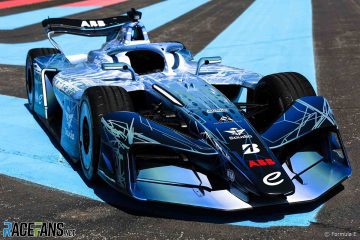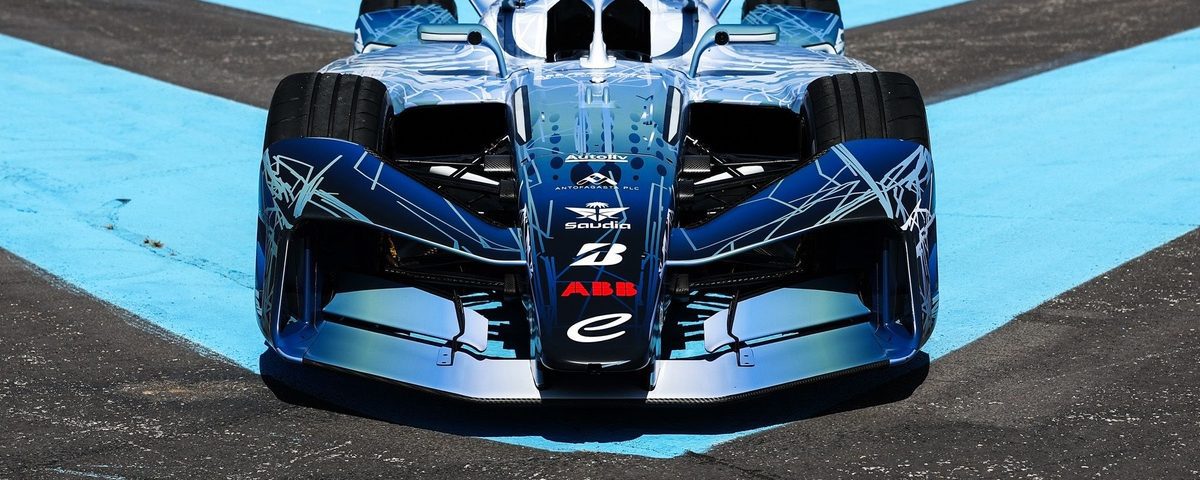
- Formula 1 is adapting its regulations, leaning on insights from Formula E.
- The introduction of a significant electrical component in F1 power units marks a pivotal shift.
- Historical precedents show that regulatory changes can lead to competitive balance or upheaval.
- Past changes in F1 have often sparked controversies but ultimately advanced the sport.
- The future of F1 may hinge on how well teams adapt to these electrification strategies.
In a recent discussion, Jeff Dodds, the CEO of Formula E, stated that his championship is playing a critical role in enlightening Formula 1 as it navigates its new regulatory landscape. This transformation, instigated earlier this year, emphasizes a more substantial electric component in power units, almost 50% of which will now be electric. The implications of this change are broad, and as the 2026 season approaches, the motorsport community is eager to see how these adjustments will shape race results and championship outcomes.
Understanding the interplay between Formula E and Formula 1 offers a fascinating glimpse into the future direction of motorsport. The regulations introduced to F1 echo a broader trend of electrification in racing, with Formula E leading the charge. As teams begin to experiment with battery management and nimble chassis designs, we can expect a ripple effect that could redefine driver strategies and qualifying formats.
However, this isn’t the first time Formula 1 has undergone significant regulatory shifts. In fact, history suggests that such changes can be controversial, often sparking intense debate among teams, drivers, and fans alike.
Historical Context of Regulatory Changes in Formula 1
Looking back, we can find several instances in Formula 1’s rich history when new regulations were introduced that fundamentally altered the landscape of the sport. The 1980s and 1990s saw significant technological advancements, notably with the rise of turbocharged engines. The introduction of these engines led to extremely high horsepower figures and incredibly fast lap times. However, it also prompted safety concerns, which ultimately led to the turbo ban in 1989. This regulatory change resulted in a more level playing field, benefitting teams that had been struggling under the extraordinary power of their competitors.
Similarly, in 2009, the sport underwent a major rule overhaul with the introduction of a budget cap and a more stringent focus on aerodynamic limitations. These changes aimed to curb the escalating costs associated with development and competition, ultimately leading to a more competitive championship. While some teams thrived under the new regulations, others struggled to adapt, often leading to unexpected race results and champions emerging from the shadows of more established teams.
What can we learn from these historical examples? Regulatory changes in Formula 1 often lead to a period of adjustment where teams must quickly adapt their strategies and technologies. The outcome can be unpredictable, with potential for both competitive balance and upheaval. Just as the turbocharged era produced both thrilling races and tragic incidents, the shift toward electrification could herald a new chapter filled with excitement and challenges.
The Road Ahead: Implications for Teams and Drivers
As Formula 1 moves into this new era of regulations, the emphasis on battery management and hybrid technology will likely redefine race strategies and performances. The teams that quickly adapt will have a competitive edge, while those that linger in traditional methodologies may find themselves at a disadvantage. With qualifying sessions becoming more critical as power unit efficiency becomes paramount, the racing dynamics could shift significantly.
Moreover, as we observe how teams approach the upcoming seasons, we can draw parallels to previous adaptations in the sport. For instance, the introduction of DRS (Drag Reduction System) in 2011 aimed to enhance overtaking opportunities. While it faced criticism, over time, it became a staple of race strategy. Similarly, the current focus on electrical components could lead to innovations that might initially seem gimmicky but ultimately enrich the spectacle of Formula 1 races.
In conclusion, the interplay between Formula E and Formula 1 in the context of new regulations is a testament to the evolving nature of motorsport. As teams and drivers prepare for the changes ahead, history reminds us that adaptability and innovation are often key to success. The coming seasons will not only test the technical prowess of teams but also the strategic acumen of drivers as they navigate this brave new world of Formula 1 racing.
We recognize that the current shift in Formula 1 regulations presents a unique opportunity for the sport to redefine itself. Drawing insights from Formula E, we believe that the integration of electric technologies could reshape not only race strategies but also the fan experience. As teams adjust to the new landscape, we anticipate a competitive environment that could yield surprising race results and shake up long-standing championship dynamics.<br />
Moreover, as history has shown, regulatory changes can spur innovation. We remember how the introduction of hybrid engines in 2014 led to a dominance of certain teams but also catalyzed a race for improvement across the grid. We expect that the 2026 regulations will similarly fuel a surge of creativity and competition, ultimately enhancing the appeal of Formula 1 to both existing fans and new audiences alike.
Source: Dodds: Formula E helping F1 understand new regs, recent changes "very strong" for motorsport
Sports News Plus is a news aggregator. We do not own or claim rights to any images, videos, or source content featured on this site. All images and media are the property of their respective original owners and publishers. Article content is independently written based on publicly available news sources, which are credited and linked throughout. Full disclosure →