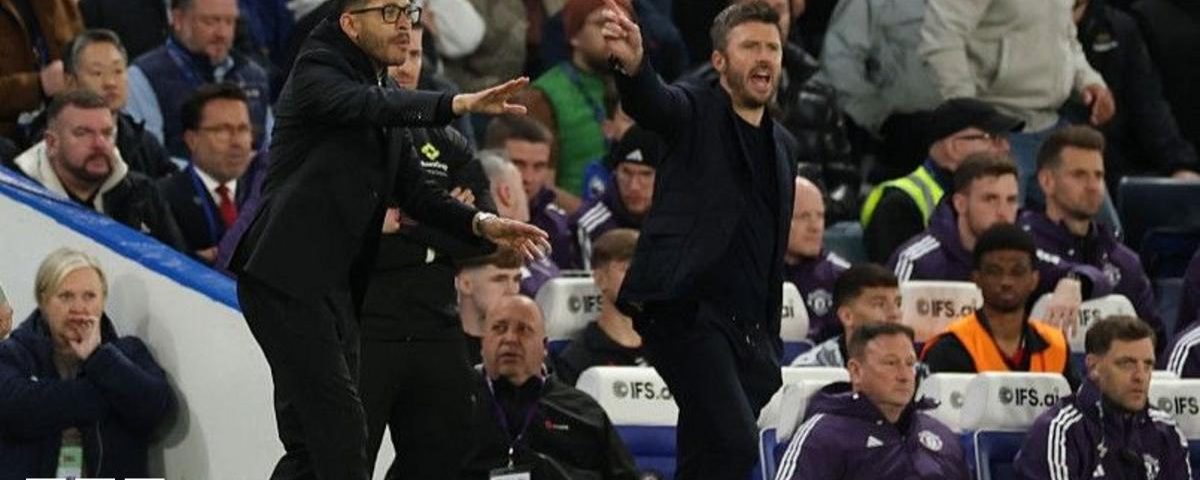
- Michael Carrick is adopting a long-term managerial perspective at Manchester United.
- The frequency of managerial sackings in the Premier League has increased significantly in recent years.
- Historical patterns reveal that patience can lead to success in football management.
- The current climate may pressure clubs to rethink their approach to hiring and firing.
- A stable managerial presence could redefine expectations in the league moving forward.
In an era where the Premier League landscape is increasingly marked by managerial instability, Michael Carrick, the interim manager of Manchester United, has chosen to adopt a long-term vision for his tenure. Following a tumultuous period in which numerous coaches have faced the axe, Carrick’s approach is a stark contrast that could shape the future of both his club and the league. This shift in perspective comes at a pivotal time, as the Premier League navigates a season rife with challenges, match results that often dictate managerial fate, and the potential for significant player transfers that may alter team dynamics.
Premier League: What You Need to Know
The Premier League has long been known for its competitive nature, but the frequency of managerial sackings has accelerated dramatically in recent years. Historically, the short-lived nature of head coach tenures has been a defining characteristic of English football, driven by high expectations from clubs, intense media scrutiny, and passionate fan bases. As Carrick faces the pressure of immediate results while simultaneously looking to build something sustainable, it raises the question: Can a long-term vision endure in a climate that rewards quick fixes?
Historical Context
To understand Carrick’s approach, we can look back at significant moments in football history. One notable example is the tenure of Sir Alex Ferguson at Manchester United. When Ferguson took charge in 1986, his early days were tumultuous, culminating in a precarious position in the league that almost cost him his job. However, the club’s management chose to stand by him, which ultimately led to unparalleled success. Ferguson’s legacy remains a testament to the value of patience and perseverance in football management.
Another case can be drawn from the recent experiences of clubs like Chelsea and Tottenham Hotspur. Both clubs have seen numerous managerial changes over the last decade, often resulting in a carousel of tactics and player management styles that stifle long-term growth. The inconsistency has had repercussions on match results and overall team performance. While both clubs have experienced moments of success, they have often struggled to maintain that momentum, leading to a cycle of instability that hinders player development and fan engagement.
Analysis & Key Takeaways
By examining these historical precedents, it becomes clear that Carrick’s long-term vision is not just an outlier; it could be a necessary evolution in the Premier League. The pressure to deliver immediate results is immense, but the history of football management suggests that those who are willing to invest in long-term strategies may ultimately reap substantial rewards.
The current Premier League season has already seen significant managerial changes, with teams opting for new coaches in hopes of turning their fortunes around. Carrick’s stance may signal a shift in how clubs perceive managerial longevity. As the league grapples with its identity amid rising expectations and fierce competition, Carrick’s approach could inspire a more thoughtful consideration of how clubs manage their coaching staff.
Looking ahead, the implications of Carrick’s strategy extend beyond Manchester United. Should he find success, it could embolden other clubs to prioritize stability over short-term fixes, leading to a more cohesive league environment. A shift towards valuing managerial stability may enhance the overall quality of play in the Premier League, as clubs invest in developing their teams over the long haul.
In an age where transfer rumors abound and match results often dictate coaching fates, Carrick’s perspective offers a refreshing outlook. It encourages a broader conversation about the future of football management in the Premier League. The potential for clubs to embrace patience and vision could redefine expectations and ultimately shape the league for years to come.
As Carrick navigates his role as interim manager, the football world will be watching closely. The outcome of his long-term vision could set a precedent that might influence managerial decisions across the league. If history has taught us anything, it is that sometimes, the best course of action is to take a step back and build for the future, rather than constantly seeking immediate gratification.
As we reflect on Carrick's long-term vision in the context of the recent trend of managerial sackings, it raises an intriguing point about the evolution of coaching in the Premier League. While the current climate pushes clubs towards quick results, we believe that Carrick’s approach, if successful, could catalyze a shift in mindset across the league. It’s crucial for teams to recognize that while immediate success is desirable, fostering an environment where managers can develop their strategies and players over time often yields better results.<br />
Moreover, if Carrick can navigate the pressures of the Premier League with a steady hand and achieve notable match results, it may encourage other clubs to rethink their hiring practices. In an era defined by rapid change, commitment to a long-term strategy may be the key to unlocking sustained success. Clubs that adopt this philosophy could not only improve their performances but also enhance their relationships with fans, who yearn for stability and vision in their teams.
Source: Carrick takes long-term view amid rise in sackings
Sports News Plus is a news aggregator. We do not own or claim rights to any images, videos, or source content featured on this site. All images and media are the property of their respective original owners and publishers. Article content is independently written based on publicly available news sources, which are credited and linked throughout. Full disclosure →