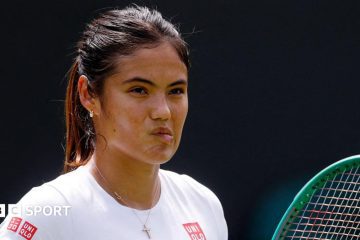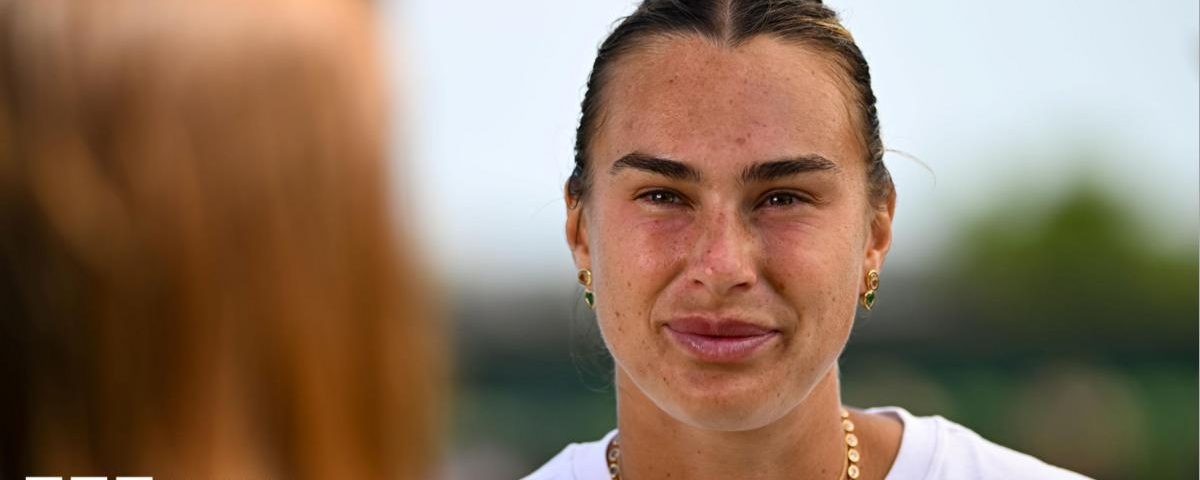
- Aryna Sabalenka expresses optimism about avoiding another boycott regarding Grand Slam prize money.
- The debate over prize distribution remains contentious among the world's top players.
- Social media sentiment is divided, reflecting a passionate fan base.
- Supporters are questioning the impact of prize money on player motivation and team dynamics.
- The future of Grand Slam tournaments may hinge on player and fan interactions regarding financial equity.
In a statement that resonates deeply within the tennis community, four-time Grand Slam champion Aryna Sabalenka recently expressed her hope that the world’s leading players will not have to resort to boycotting their media duties again over prize money issues. This comment comes on the heels of ongoing discussions about financial disparities in tennis, a concern that has been particularly pronounced as the sport approaches its major tournaments. The context is set against the backdrop of the WTA Tour and ATP rankings, where players are often evaluated not only on their match results but also on their visibility and engagement with fans and sponsors.
Grand slam: What You Need to Know
As conversations surrounding prize money continue to gain traction, it raises the question of whether the players are truly united in their stance or if a divide exists among them. Sabalenka’s remarks indicate a desire for collaboration, yet there are whispers of differing opinions among top players. This discontent was palpable during recent tournaments, where players voiced their frustrations about the allocation of prize funds, especially in light of the significant revenue generated by Grand Slam events.
The broader implications of these discussions extend beyond the court and into the hearts of fans. Tennis enthusiasts have taken to social media platforms to express their views on the ongoing situation. Some supporters are firmly in favor of the players advocating for better financial terms, arguing that the physical and emotional toll of competing at such a high level merits fair compensation. Others, however, are concerned that persistent discussions about money may detract from the spirit of the game.
The emotional landscape on social media is rich with debate. Many fans are rallying behind the players, expressing solidarity for their fight for equitable prize money distribution. Tweets and posts are filled with hashtags advocating for fairness, with supporters sharing personal anecdotes about how the sport has impacted their lives. Conversely, there are also factions of the fanbase who feel that talk of boycotts and financial disputes takes away from the essence of tennis—its athleticism and competition. These fans argue that the focus should remain on the match results and the artistry of the game itself.
Analysis & Key Takeaways
As the WTA Tour and ATP rankings are closely monitored, fans are also contemplating what these discussions mean for their favorite players’ performance in upcoming Grand Slams. The mental and physical strain on athletes is considerable; any discord within their ranks could potentially impact match results. Some fans suggest that if a rift does exist, it might lead to inconsistent performances, which could ultimately affect the excitement and unpredictability that Grand Slam events are known for.
The fan reaction to these developments is not merely an emotional outpouring; it also reflects a deeper engagement with the sport. Many supporters are beginning to see themselves not just as spectators but as stakeholders in the evolution of tennis. The intersection of player rights and fan interests is increasingly evident, with many advocating for a more transparent dialogue between athletes, governing bodies, and fans. This creates a unique dynamic where the outcome of such discussions could redefine the very nature of tennis in the years to come.
As players like Sabalenka continue to voice their hopes for unity and progress, the tennis community is left to ponder: will these discussions lead to meaningful change, or will they fizzle out, leaving fans and players to navigate the complexities of prize money and competition in silence? Ultimately, the balance between financial fairness and the integrity of the sport is a delicate one, and it will be fascinating to see how this dialogue unfolds in the lead-up to the next Grand Slam events.
In conclusion, the issue of prize money in tennis is not merely a matter of finances; it encapsulates the heart and soul of the sport. As players and fans engage in this critical discourse, the outcome could resonate far beyond the courts. The future of the Grand Slam events, the treatment of athletes, and the relationship between players and their supporters will likely hinge on how effectively these conversations evolve and whether unity can be achieved among players.
From our perspective at the editorial desk, it's clear that the debate surrounding prize money in tennis is far from over. While Sabalenka’s wishes for a united front are noble, the reality is that players have vastly different financial situations and career trajectories. The disparity in earnings between top-ranked players and those lower in the ATP and WTA rankings can create divides that are hard to bridge. Thus, we may see more fractures within the player community as they grapple with their individual realities versus the collective good.<br />
Moreover, the sentiments expressed by fans highlight a crucial turning point in how tennis is perceived. As supporters demand more transparency and equity, governing bodies may face increased pressure to act. If these discussions do not lead to tangible changes in prize money distribution, we might witness a shift in fan loyalty and engagement, potentially altering the competitive landscape in unforeseen ways. The future of Grand Slam tournaments hangs in the balance, compelling both players and fans to navigate these turbulent waters together.
Source: Players 'don't want to boycott again' over prize money – but are they already split?
Sports News Plus is a news aggregator. We do not own or claim rights to any images, videos, or source content featured on this site. All images and media are the property of their respective original owners and publishers. Article content is independently written based on publicly available news sources, which are credited and linked throughout. Full disclosure →