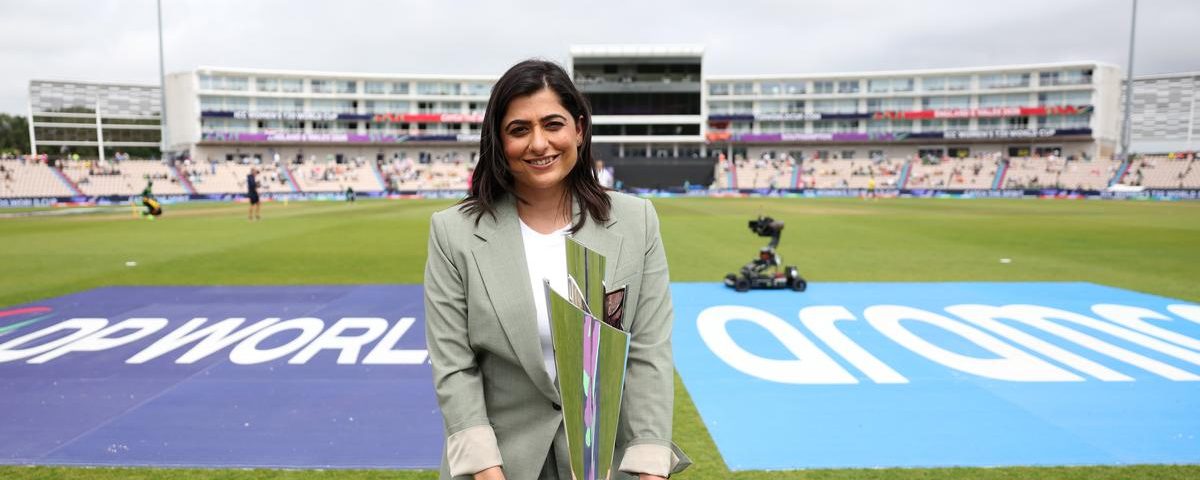
- Sana Mir condemned the sexist remarks directed at the Pakistan women's cricket team following their World Cup exit.
- The team's performance in the tournament raised concerns about their strategic approach and execution.
- Criticism of female athletes often veers into sexist territory, overshadowing the need for constructive feedback.
- Pakistan's exit marks a pivotal moment for women's cricket in the country and highlights the need for systemic change.
- The focus should now shift to developing a robust framework for women's cricket, including ODI series and test matches.
Following Pakistan’s disappointing exit from the Women’s T20 World Cup 2026, former captain Sana Mir has taken a strong stance against the sexist criticism directed towards the team. Speaking after the group stage elimination, Mir expressed her disappointment not only with the team’s performance but also with the tone and nature of the public discourse surrounding their efforts. This incident underscores a broader issue in sports, particularly in women’s cricket, where critiques often blur the line between performance analysis and gender discrimination.
The Women’s T20 World Cup, held in June 2026, brought together the best teams in women’s cricket, showcasing talent and athleticism on a global stage. Pakistan’s journey, however, was marred by a series of unfortunate performances that led to their early exit. This outcome has reignited discussions about the strategic and tactical dimensions of the team’s play, as well as the broader implications for women’s cricket in Pakistan.
Mir’s comments reflect a critical need for a cultural shift in how women’s sports are perceived and discussed. The backlash against the Pakistan women’s cricket team may not solely stem from the results on the field but also from lingering societal attitudes that fail to acknowledge the dedication and hard work of female athletes. It is imperative that we foster an environment that allows for constructive criticism without resorting to derogatory remarks.
Tactical Breakdown of Pakistan’s Performance
Analyzing Pakistan’s performance during the Women’s T20 World Cup reveals significant tactical shortcomings that contributed to their early exit. The team struggled with their batting approach, often opting for aggressive shots without a solid foundation. In T20 cricket, establishing partnerships is crucial, yet Pakistan frequently lost wickets in quick succession, putting immense pressure on the middle and lower order. This lack of resilience in batting not only stifled their scoring potential but also left them vulnerable to opposing teams.
Defensively, Pakistan’s bowling attack lacked the necessary penetration to contain runs. Key bowlers were often found wanting in crucial moments, allowing opponents to capitalize on their weaknesses. The inability to take wickets at vital stages of the game meant that even modest targets became daunting challenges for the batters. A well-structured bowling plan is fundamental in T20 matches, and Pakistan’s failure to execute this left them at a disadvantage.
In light of these tactical deficiencies, it is essential for the Pakistan Cricket Board (PCB) to reassess their training and development programs for women’s cricket. The focus should expand beyond the T20 format to include a comprehensive strategy that encompasses ODI series and even test matches. This holistic approach can pave the way for nurturing talent and improving overall performance.
The Future of Women’s Cricket in Pakistan
The conversation prompted by Mir’s comments serves as a wake-up call for stakeholders in women’s cricket. It highlights an urgent need for investment in women’s sports at all levels, from grassroots programs to elite competitions. Historically, women’s cricket in Pakistan has faced neglect, and this lack of resources has hindered the development of talent that can compete on the international stage.
Moving forward, the BCCI and other cricket boards must recognize the value of women’s cricket, not just for the sake of diversity but also for the growth of the sport as a whole. By addressing the systemic issues and providing the necessary support, we can elevate the profile of women’s cricket. The potential to engage a wider audience and inspire future generations is immense, but it requires a concerted effort from all involved.
Pakistan’s exit from the Women’s T20 World Cup should serve as a catalyst for change rather than a moment of despair. If the lessons learned from this experience are applied effectively, we could see a transformation in how women’s cricket is developed and perceived, leading to a brighter future for the sport.
We believe that the criticism faced by the Pakistan women’s cricket team reflects a broader societal issue that transcends sports. While performance should always be scrutinized, it is essential that such evaluations do not devolve into personal attacks or sexist commentary. This moment could serve as a rallying point for advocates of women’s sports, pushing for a more respectful and constructive dialogue around their achievements.<br />
Looking ahead, our editorial team anticipates a potential shift in the governance of women’s cricket. The PCB may be compelled to implement changes, not only in coaching strategies but also in how they engage with fans and media. Building a strong women’s cricket narrative is vital, and with the right support, Pakistan could emerge as a formidable force in international cricket, inspiring future generations of female athletes.
Source: Women’s T20 World Cup 2026: Sana Mir slams sexist criticism of Pakistan team after group stage exit
Sports News Plus is a news aggregator. We do not own or claim rights to any images, videos, or source content featured on this site. All images and media are the property of their respective original owners and publishers. Article content is independently written based on publicly available news sources, which are credited and linked throughout. Full disclosure →