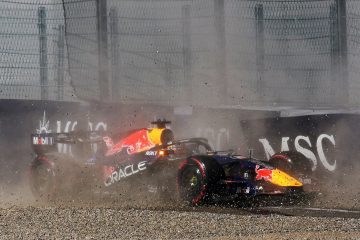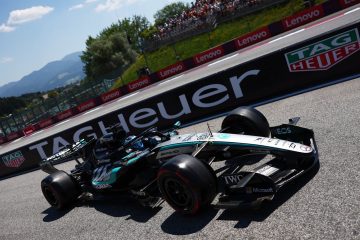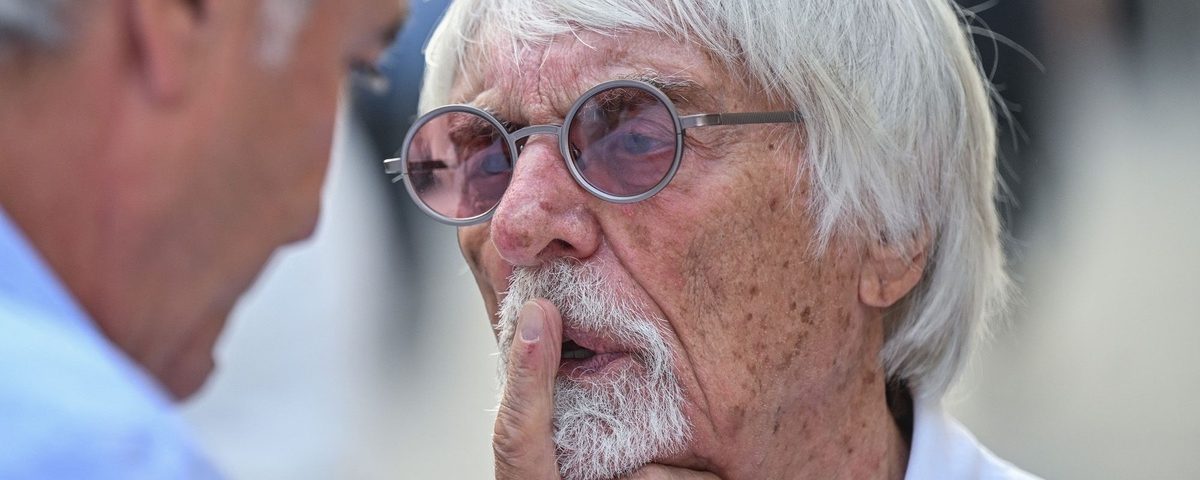
- Bernie Ecclestone backs a transition to V8 engines in Formula 1.
- The FIA aims for a more engaging racing experience with louder, cheaper engines.
- The proposed change could significantly affect the championship landscape.
- Moving to V8 engines could attract a new generation of fans.
- The decision will shape F1's technological and competitive future.
In a significant development for the motorsport world, former Formula 1 chief Bernie Ecclestone has endorsed the push for a transition to V8 engines within the sport. This announcement, made in late June 2026, aligns with the vision of FIA president Mohammed Ben Sulayem and F1 CEO Stefano Domenicali, both of whom are advocating for the switch to take place by the 2030 or 2031 season. The discussion around this shift marks an important juncture for Formula 1, as the series looks to redefine its identity and attract a broader audience.
Formula 1: What You Need to Know
The rationale behind this push is multifaceted. Ecclestone and the FIA are keen to introduce engines that are not only bigger and louder but also more cost-effective. The current F1 hybrid power units, while technologically advanced, have often been criticized for being overly complicated and expensive, both in terms of development and operation. A return to V8 engines could simplify the technical landscape and reduce costs, making the sport more accessible to teams and fans alike.
The proposed change comes at a time when Formula 1 has been under pressure to enhance the spectacle of the sport. The sound of engines has been a significant aspect of the racing experience, and many fans have expressed nostalgia for the raw power and noise of traditional V8s. By reintroducing these engines, F1 could rekindle the excitement that characterized previous eras, potentially drawing in a new generation of fans who seek a more visceral connection to the sport.
However, there are technical implications to consider. The move to V8 engines may also necessitate changes in vehicle dynamics, aerodynamics, and race strategies. With a larger engine displacement, teams may need to adapt their setups to manage the increased torque and horsepower. This could lead to a shift in how teams approach both qualifying and race day tactics, affecting everything from tire strategies to fuel management.
Analysis & Key Takeaways
Tactical Breakdown:
As we analyze the strategic dimensions of this potential transition, it’s essential to consider how a switch to V8 engines would impact racing strategies. The characteristics of V8 engines are fundamentally different from the current hybrid units. With greater low-end torque and a more linear power delivery, teams might opt for different setups that prioritize acceleration out of corners rather than top-end speed on straights. This shift could lead to a more exciting on-track battle as drivers manage power delivery and tire wear in a way that’s not as pronounced with current hybrid technology.
Furthermore, the introduction of V8 engines could prompt teams to explore innovative aerodynamic designs that complement the new power units. With more power available, we might see teams adopting more aggressive downforce configurations to maintain control during high-speed maneuvers. This could deepen the competitive landscape, as teams scramble to find the best balance between speed and handling.
Moreover, the financial implications of this transition could be profound. For smaller teams, the reduced costs associated with V8 engines might level the playing field, offering them a more viable path to compete against the larger, historically dominant teams. If the FIA successfully implements this engine change while ensuring equitable access, it could reshape the championship race results and dynamics in ways we have yet to fully comprehend.
As we look ahead, the implications of transitioning to V8 engines in Formula 1 are both exciting and complex. The potential to attract a new fanbase, coupled with the technical and strategic adjustments teams will need to make, suggests that the next era of Formula 1 could be one of the most dynamic in the sport’s history. With these changes on the horizon, the championship narrative will likely evolve, creating new rivalries and storylines in the quest for the title.
Our view is that Bernie Ecclestone's support for V8 engines in Formula 1 could be a game-changer, but it raises questions about the sport's identity. While traditionalists may embrace the return to more powerful engines, we must also consider the balance between innovation and nostalgia. The hybrid engine era has pushed technological boundaries, and reverting to V8s may risk undermining F1's reputation as a leader in automotive technology.<br />
Moreover, the financial implications cannot be understated. We hope that the FIA ensures the transition to V8 engines does not inadvertently create a divide between teams that can adapt quickly and those that struggle. The success of this move will depend on how well it is managed, both on and off the track. If done correctly, the Championship could see a renaissance, but we must remain cautious about the potential pitfalls.
Source: Former F1 chief Ecclestone backs push for V8 engines
Sports News Plus is a news aggregator. We do not own or claim rights to any images, videos, or source content featured on this site. All images and media are the property of their respective original owners and publishers. Article content is independently written based on publicly available news sources, which are credited and linked throughout. Full disclosure →