- Rachel Brookes has left her role at Sky Sports F1 after years of service.
- Her departure highlights a significant shift in the media landscape of Formula 1.
- Brookes was integral to the UK's F1 coverage since 2012, shaping fan engagement.
- This change mirrors previous transitions in Formula 1 broadcasting history.
- The future of F1 media will likely focus on digital integration and diverse perspectives.
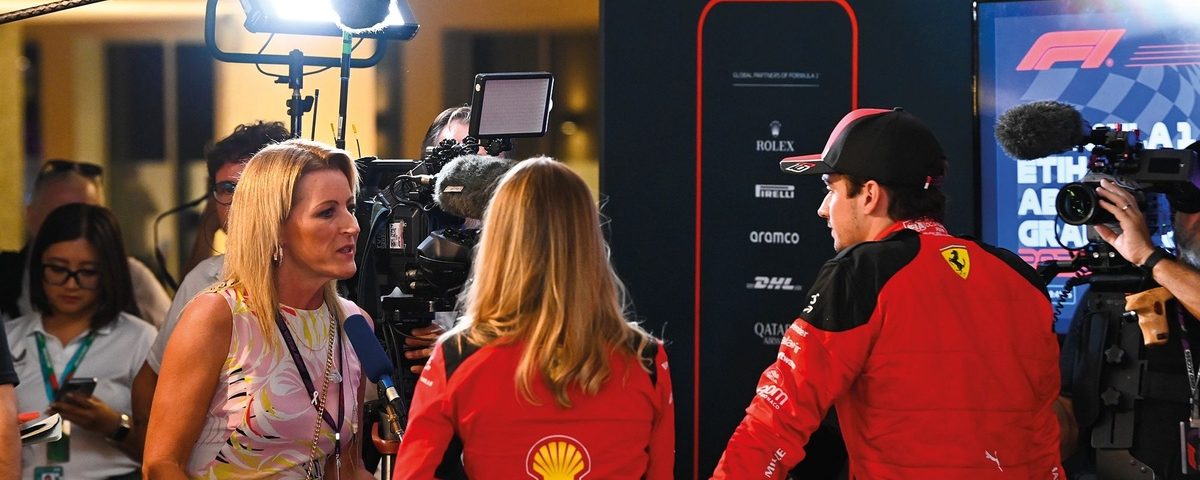
In a surprising move, Rachel Brookes, a prominent figure in Formula 1 broadcasting, has confirmed her departure from Sky Sports F1 effective immediately. Having joined Sky Sports in 2009 and playing a crucial role in its F1 coverage since the network secured the broadcasting rights in 2012, Brookes has become a familiar face to fans. Known for her engaging interviews in the media pen and her deep knowledge of the sport, her exit raises questions about the future direction of Formula 1 media coverage in the UK.
Formula 1 broadcasting: What You Need to Know
Brookes’ journey with Sky Sports has been marked by significant milestones in the world of Formula 1. As the sport has evolved, so too has the way it is presented to fans. With the rise of digital platforms and social media, traditional broadcasting roles have been increasingly scrutinized and reshaped. Brookes has been at the forefront of these changes, often bridging the gap between the sport and its audience.
Her departure is not an isolated incident. The history of Formula 1 broadcasting is littered with similar transitions, each resulting in a profound impact on how the sport is perceived and consumed. This moment can be likened to the exits of notable broadcasters in the past, such as the departure of Martin Brundle from ITV in 2008, which marked the end of an era in F1 coverage in the UK. Brundle’s move to Sky Sports was pivotal in reshaping the narrative around F1, just as Brookes’ exit may herald a new chapter for the sport’s media representation.
Historical Context
Looking back at previous changes in the broadcasting landscape of Formula 1, we see a pattern of adaptation and evolution. In the early 2000s, when the rights moved from the BBC to ITV, there was significant apprehension among fans regarding how the coverage would change. ITV’s approach included a more sensationalist style, which contrasted sharply with the BBC’s more traditional broadcasting. This shift affected viewer engagement and the overall narrative of the sport. However, it also opened doors for a new generation of fans who were drawn in by the more dynamic presentation.
Analysis & Key Takeaways
Similarly, when Sky Sports took over F1 rights in 2012, many wondered how the change would affect the viewing experience. The introduction of new technologies, such as multi-screen viewing and in-depth analysis, dramatically transformed how fans interacted with the sport. Brookes was integral to this transition, providing insights and interviews that made the races more accessible and engaging.
As we consider Rachel Brookes’ departure, one must ask: what does history tell us about the implications of such exits? While change can be unsettling, it often leads to innovation. The F1 broadcasting landscape is now more competitive than ever, with various platforms vying for audience attention. As the sport continues to grow globally, the demand for diverse voices and innovative storytelling will only increase.
The Future of Formula 1 Broadcasting
As we move forward, the future of Formula 1 broadcasting appears bright yet unpredictable. The rise of streaming platforms and digital content delivery has changed the way fans consume F1 content. This shift could lead to more opportunities for emerging broadcasters who can offer fresh perspectives and engage with fans in innovative ways.
Moreover, the increasing significance of social media in sports broadcasting cannot be overlooked. Platforms like YouTube and TikTok are changing how fans connect with their favorite drivers and teams, offering a more intimate and informal look at the sport. This could lead to a new breed of F1 broadcasters who can navigate both traditional media and social platforms effectively.
In conclusion, Rachel Brookes’ exit marks not just the end of a significant chapter in Formula 1 broadcasting but also the beginning of new opportunities. As fans, we should embrace this change and look forward to how the next wave of broadcasters will engage with the sport we love. The landscape is shifting, and with it comes the promise of fresh narratives and innovative storytelling methods that could redefine our experience of Formula 1.
As we reflect on Rachel Brookes’ departure, we see it as part of a larger trend in sports broadcasting, particularly within Formula 1. The sport is undergoing a transformation, driven by technological advancements and shifting viewer preferences. This presents a unique opportunity for new voices to emerge and for existing platforms to innovate.<br />
We believe that Brookes' exit could catalyze a broader re-evaluation of how F1 is covered. With fans increasingly seeking authenticity and relatability, broadcasters may need to adapt to meet these expectations. This could lead to a more diverse range of commentators and analysts, enriching the storytelling aspect of Formula 1.<br />
Ultimately, as we move forward in this new era, we should remain open to the changes that come our way. The future of Formula 1 broadcasting is not just about who is in front of the camera; it's about how the narrative is shaped and how fans engage with the sport on multiple platforms.
Source: Sky Sports F1 broadcaster confirms exit
Sports News Plus is a news aggregator. We do not own or claim rights to any images, videos, or source content featured on this site. All images and media are the property of their respective original owners and publishers. Article content is independently written based on publicly available news sources, which are credited and linked throughout. Full disclosure →