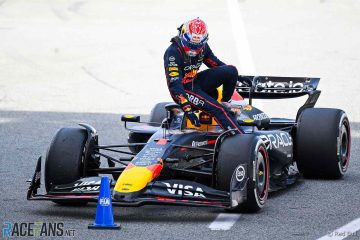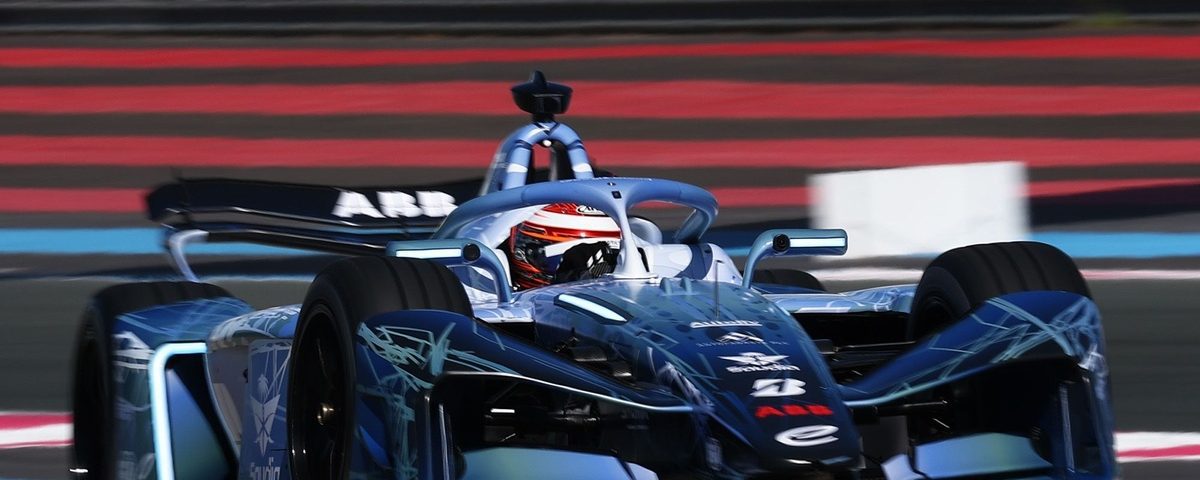
- Formula E's new Gen4 car promises to revolutionize the racing experience.
- The series will feature a diverse calendar with various track types in 2026.
- Fans are actively discussing the implications for their favorite teams this season.
- Social media sentiment is mixed, highlighting both excitement and skepticism.
- The evolution of both series could reshape the motorsport landscape moving forward.
Formula 1 In June 2026, motorsport fans are witnessing a significant evolution as Formula E prepares to launch its highly anticipated Gen4 car, boasting impressive 600kW power and all-wheel drive capabilities. This groundbreaking vehicle will debut on an ambitious calendar that features a diverse array of street circuits, classic permanent venues, and abridged grand prix tracks. The intention is to attract a broader audience while also catering to the passionate fan bases of both Formula E and Formula 1.
Formula 1: What You Need to Know
As the two series increasingly share dates and venues, questions arise about their convergence and divergence. Despite both racing leagues attracting motorsport enthusiasts, the experience they offer is markedly different. Formula E’s focus on electric racing and sustainability contrasts with Formula 1’s long-standing tradition of high-speed, petrol-powered vehicles. As we move through the 2026 season, fans of both series are engaged in spirited discussions about how these changes will impact race results, championship standings, and their favorite drivers.
One of the primary debates among fans centers on the merits of the Gen4 car’s capabilities. Many supporters are excited about the potential for faster lap times and a more competitive racing environment. The move to a more versatile calendar is viewed as a strategic attempt to enhance Formula E’s visibility, especially as it seeks to capitalize on the growing interest in electric vehicles worldwide. However, some fans are skeptical, questioning whether the technical advances will translate into a more thrilling spectator experience.
Social media platforms have become hotbeds for these discussions. On Twitter, hashtags such as #Gen4Debate and #FormulaEvsF1 are trending, as fans share their opinions on the new car and the implications for their teams. Enthusiasts of Formula 1 are particularly vocal, expressing concerns that the unique allure of their beloved series may be diluted by Formula E’s increasing presence. The debate often hinges on race results and qualifying performances, with fans keen to analyze how the two series perform in comparison.
Analysis & Key Takeaways
The crossover in calendar dates has also sparked conversations about team strategies and championship implications. Fans are scrutinizing how teams will adapt to the new racing environments and what this means for driver performance. For instance, the varying characteristics of street circuits versus traditional tracks may contribute to unpredictable race outcomes and affect the championship standings. As the season progresses, supporters will closely monitor their teams’ adaptability to these changes, hoping for strong race results.
While the excitement surrounding the Gen4 car is palpable, it also raises questions about the future trajectory of both series. The ongoing debate among fans highlights a potential shift in the motorsport landscape, where electric racing could gain ground in a sport traditionally dominated by internal combustion engines. As both Formula E and Formula 1 continue to evolve, it will be interesting to see how their respective fan bases react and how they influence the broader motorsports community.
The impact of this convergence is not just limited to race weekends; it also extends to the business side of motorsports. Teams are likely evaluating their sponsorship strategies and marketing approaches in light of the evolving landscape. As electric mobility gains traction globally, companies may see increased value in associating with Formula E, potentially reshaping the sponsorship dynamics in both series.
The 2026 racing season promises to be an intriguing chapter in motorsport history, as fan engagement becomes more critical than ever. Whether through social media discussions, fan forums, or live event attendance, supporters of both series will play a vital role in shaping the narrative. As we look ahead, the interaction between Formula E and Formula 1 could redefine what it means to be a motorsport fan in an age increasingly focused on sustainability and technological innovation.
In our view, the merging calendars of Formula E and Formula 1 could signal a pivotal moment for motorsport. As fans of both series engage in lively debates, one thing becomes clear: the future of racing is not just about speed but also about the sustainability narrative. While some Formula 1 purists may resist the change, the truth is that embracing electric technology might attract a new generation of fans who value environmental considerations alongside performance.<br />
Moreover, as both leagues vie for attention, the resulting competition could spur innovation, benefitting fans who crave thrilling racing experiences. If Formula E can leverage its new technology effectively, it could redefine expectations not only within its own league but also challenge Formula 1 to innovate further. In essence, we may be on the cusp of a new era where both series not only coexist but also inspire one another to achieve greater heights.
Source: How Formula E’s F1-like calendar sees the two series converging – but also diverging
Sports News Plus is a news aggregator. We do not own or claim rights to any images, videos, or source content featured on this site. All images and media are the property of their respective original owners and publishers. Article content is independently written based on publicly available news sources, which are credited and linked throughout. Full disclosure →