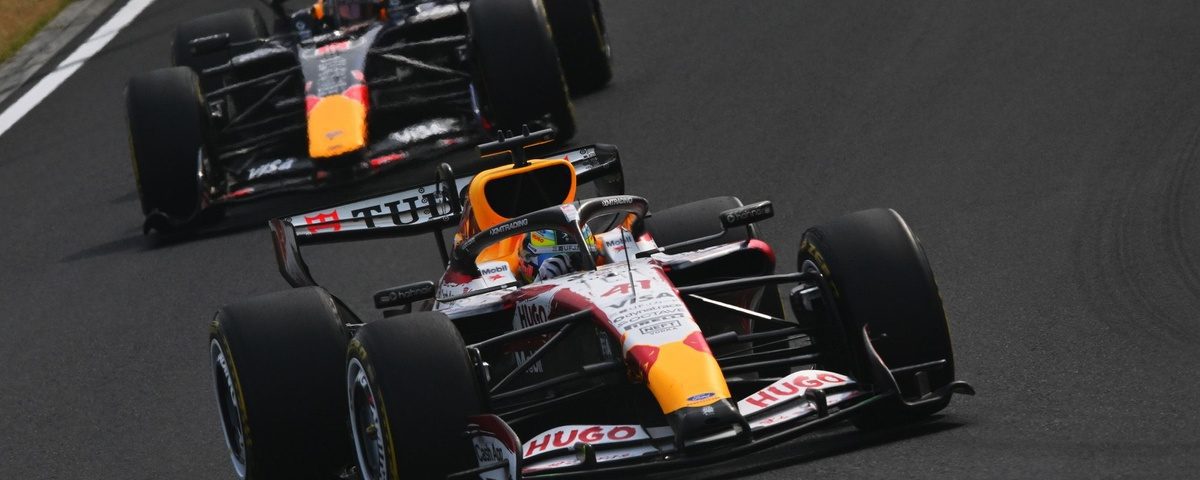
- Red Bull's common ownership of two teams raises significant concerns in Formula 1.
- Mercedes and Toto Wolff's interest in Alpine highlights the competitive landscape.
- McLaren's CEO Zak Brown has formally voiced concerns to the FIA.
- The debate around ownership may affect future race results and team strategies.
- The potential re-evaluation of team ownership could reshape the championship dynamics.
In the high-stakes world of Formula 1, the recent discussions surrounding Red Bull’s ownership structure have once again come to the forefront. The controversy erupted when Mercedes and its team principal, Toto Wolff, expressed interest in acquiring shares in the Alpine team. This situation, which surfaced in late June 2026, prompted McLaren CEO Zak Brown to reach out to FIA president Mohammed Ben Sulayem with his concerns about the implications of such ownership dynamics on fair competition within the sport.
Formula 1: What You Need to Know
At its core, the debate revolves around the existing regulations concerning team ownership and the potential advantages that may stem from common ownership. Red Bull, with its dual teams—Red Bull Racing and Scuderia AlphaTauri—has often been scrutinized for leveraging its resources and strategic insights across both entities. Critics argue that this could lead to an uneven playing field, where one team’s development can directly influence the performance of another, thereby skewing race results and championship standings. This concern resonates particularly strongly in a season where every qualifying session and race result could be pivotal in the championship chase.
The FIA has established regulations that aim to maintain competition equity among teams. However, the complexities of these rules can create loopholes that allow for shared resources and data between sister teams. The ongoing discussions around Alpine and the reaction from McLaren indicate that the tension isn’t simply about racing but also about the integrity of Formula 1 as a competitive spectacle. Brown’s letter underscores a growing anxiety among teams that feel disadvantaged in an environment where shared ownership could compromise their efforts to compete.
The implications of this ownership debate extend beyond mere discussions in the paddock; they are likely to influence future race results and the overall championship narrative. As teams like Mercedes look for ways to bolster their competitiveness, they must navigate a landscape where the traditional competitive advantages of innovation and investment can be undermined by the collaborative strategies of rival teams. If the FIA does not address these issues decisively, we may see a significant shift in how teams approach race strategies and resource allocation.
Analysis & Key Takeaways
Given the recent controversies, one could argue that the integrity of the Formula 1 championship is at stake. The notion that a team could potentially gain an unfair advantage through sister teams raises the question of what constitutes fair play in elite motorsport. Teams may need to reconsider their operational strategies, focusing not only on their performance but also on how they can adapt to the evolving regulatory landscape.
Moreover, as the debate continues, fans and stakeholders alike will be watching closely. The potential for regulatory changes could reshape the entire competitive landscape of Formula 1, impacting everything from team alliances to individual driver performances. Teams may start to hedge their bets more cautiously, focusing on long-term strategies rather than immediate gains, especially if the FIA tightens its regulations on ownership structures.
In the coming months, the FIA’s response to these concerns will be pivotal. If the governing body decides to tighten restrictions around team ownership, it could lead to a restructuring of existing teams or even a shift in how new teams are allowed to enter the sport. Conversely, a hands-off approach could embolden teams like Red Bull to further exploit their existing structures, potentially leading to an even greater imbalance in competition.
As we analyze the unfolding narrative, the possibility of a re-evaluation of team ownership structures looms large. This could influence not only individual race results but also the championship as a whole. The upcoming races will be a critical test for how these dynamics play out on the track, and whether the FIA can maintain the delicate balance of competition that has defined Formula 1 for decades.
As we reflect on the current ownership landscape in Formula 1, it becomes clear that the implications of common ownership extend beyond the surface of competitive racing. The concerns raised by Zak Brown regarding Red Bull's dual-team strategy highlight a critical point of tension within the sport. If the FIA does not act to address these issues, we could see a widening gap in competitiveness, particularly as teams scramble to adapt to potential regulatory changes.<br />
We believe that the ongoing debate about ownership structures will not only impact team strategies but may also lead to a re-think of how teams interact and collaborate within the sport. As the championship heats up, it will be fascinating to see how teams respond to the perceived advantages held by Red Bull. Will they adapt their strategies to align more closely with the changing landscape, or will they push for a more equitable competitive environment? The answers lie ahead in the unfolding drama of the 2026 season.
Source: Does Red Bull’s denial that Racing Bulls is helping it on-track stack up?
Sports News Plus is a news aggregator. We do not own or claim rights to any images, videos, or source content featured on this site. All images and media are the property of their respective original owners and publishers. Article content is independently written based on publicly available news sources, which are credited and linked throughout. Full disclosure →