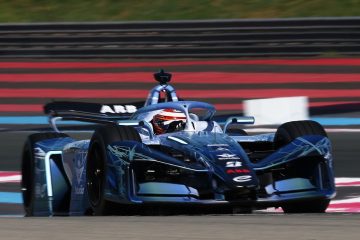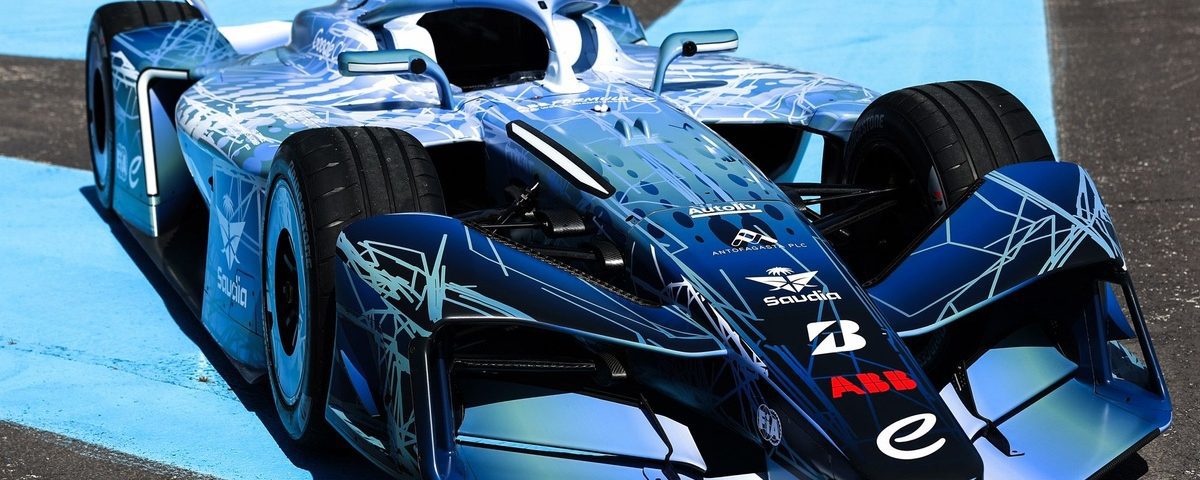
- Formula E is set to introduce a groundbreaking Gen4 car with 600kW power.
- The new calendar features a mix of street circuits, permanent venues, and grand prix tracks.
- Enhanced performance aims to elevate the championship's profile globally.
- The evolution in technology mirrors trends seen in Formula 1’s advancements.
- The success of Gen4 could ignite greater interest and investment in electric motorsport.
Formula E is on the cusp of a significant transformation with the introduction of its new Gen4 car, boasting 600kW of power and all-wheel drive. This new generation of racing machines is expected to debut in 2026, coinciding with a diverse calendar that includes a mix of street circuits, classic permanent venues, and abridged grand prix tracks. The evolution of Formula E symbolizes the championship’s aspiration to bolster its reputation in the motorsport world, competing more directly with its more established counterpart, Formula 1.
Formula: What You Need to Know
The Gen4 car’s introduction marks a paradigm shift in the performance capabilities of electric racing vehicles. Historically, Formula E cars were perceived as slower and less exhilarating than their gasoline-powered siblings. However, the combination of advanced engineering and a more varied calendar is set to challenge that narrative. By expanding into permanent circuits and classic layouts, the championship aims to attract a broader audience while delivering thrilling race results.
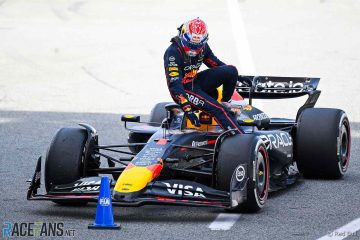
A notable aspect of the Gen4 initiative is its resemblance to the performance trajectory seen in Formula 1. The latter has consistently raised the bar in terms of speed, technology, and competition, which has made it a perennial favorite among motorsport fans. Formula E’s decision to adopt similar strategies reflects its understanding of the need for improved performance to maintain relevance in a rapidly evolving sports landscape. As teams prepare to optimize their Gen4 cars, we can expect to see a significant impact on qualifying times and overall race strategies.
The varied calendar will also play a crucial role in how teams approach race weekends. Each venue presents unique challenges, from the technical demands of street circuits to the high-speed configurations of permanent tracks. This will require teams to adapt their setups and driving styles, leading to a more dynamic championship where drivers must demonstrate versatility. As a result, the Gen4 era could redefine the idea of what it means to be a competitive driver in electric racing.
Analysis & Key Takeaways
Another pivotal factor in the Gen4 rollout is the potential for increased fan engagement. Formula E has consistently aimed to appeal to a younger audience, promoting sustainability and electric vehicle technology. With the new cars, and a calendar that mirrors traditional motorsport formats, the championship could attract fans who may have previously overlooked electric racing. The appeal of high-speed, close-quarters racing, akin to that of Formula 1, may further bridge the gap between the two sports.
Moreover, the success of the Gen4 car could usher in a new wave of investment in electric motorsport. Increased performance and a more competitive atmosphere could entice sponsors and manufacturers to invest in teams, thereby enhancing the overall spectacle of the championship. Just as Formula 1 has seen a surge in popularity and funding with its recent innovations, Formula E stands to benefit from a similar trend if it can maintain momentum in its technological advancements.
As we look ahead, the introduction of the Gen4 car represents more than just an upgrade in machinery; it signifies Formula E’s commitment to growth and competitiveness. If the championship can deliver on the promises of excitement and performance, it may finally position itself as a true contender in the global motorsport arena, challenging the dominance of Formula 1.
In conclusion, the arrival of the Gen4 car is a defining moment for Formula E. By embracing a more diverse calendar and harnessing cutting-edge technology, the championship is not only evolving but is poised to change the perceptions surrounding electric racing. As we anticipate the first race with these new machines, the motorsport world watches closely to see if Formula E can indeed “grow up” in the shadow of its illustrious predecessor.
From our perspective, the Gen4 initiative is not just about technological advancements; it's about a broader strategy to redefine the identity of electric racing. We believe that the introduction of faster, more powerful cars on varied circuits can serve as a catalyst for changing how fans engage with the sport. While Formula E has carved out its niche in promoting sustainability, the challenge will be to capture the visceral excitement that fans crave.<br />
Furthermore, we see an opportunity for Formula E to leverage its unique selling proposition of sustainability while also delivering thrilling racing experiences. If successful, this could lead to a crossover appeal that draws traditional motorsport fans into the fold, thus ensuring that both Formula E and Formula 1 can coexist and thrive in a competitive landscape. The Gen4 cars may just be the ticket to a new era of motorsport that excites fans across the board.
Source: F1-like calendar, F1-like performance? How Formula E is "growing up" in its big brother's orbit
Sports News Plus is a news aggregator. We do not own or claim rights to any images, videos, or source content featured on this site. All images and media are the property of their respective original owners and publishers. Article content is independently written based on publicly available news sources, which are credited and linked throughout. Full disclosure →