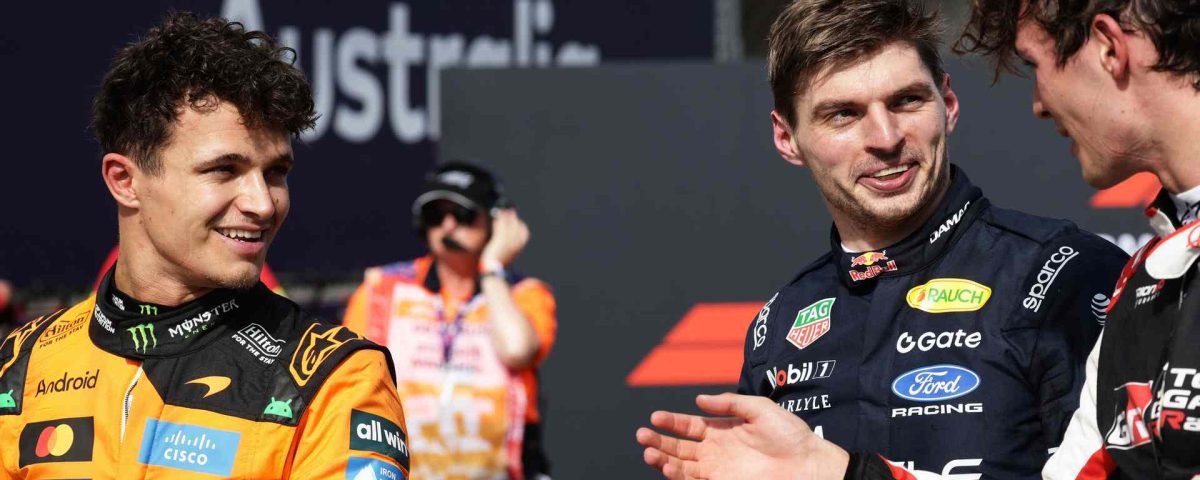
- Lando Norris expresses confidence that Max Verstappen will not quit Formula 1 due to regulatory changes.
- Verstappen's competitive nature and commitment to racing suggest he will adapt to new challenges.
- Historical precedents show that many drivers have navigated significant rule changes without leaving the sport.
- The current regulations will likely impact team strategies and race results going forward.
- Norris's insights signal a potential shift in how teams and drivers approach the championship landscape.
In a recent statement made on April 25, 2026, Lando Norris conveyed his belief that Max Verstappen will continue his career in Formula 1 despite the ongoing discussions surrounding regulatory changes. With a competitive landscape that has seen numerous rule revisions over the years, Norris’s comments add an interesting layer to the narrative as teams prepare for the upcoming races in the season. As the championship heats up, the implications of these regulations on qualifying and race results remain a focal point for fans and analysts alike.
The 2026 season has already been marked by an evolving set of rules aimed at enhancing competitiveness and sustainability in Formula 1. As teams scramble to adapt to these changes, Verstappen’s prowess and determination to secure another championship title are undeniable. Known for his resilience, the Dutch driver has repeatedly demonstrated his ability to thrive under pressure, making it unlikely that he would walk away from the sport at this critical juncture.
Reflecting on this situation prompts a deeper examination of historical contexts within Formula 1. The sport has witnessed its share of upheaval due to rule changes, yet many drivers have chosen to remain rather than abandon a sport that has defined their careers. In the early 2000s, for instance, significant changes to aerodynamics and tire regulations were met with resistance from some drivers. However, the majority adapted and continued to elevate their performance to remain competitive.
Historical Context of Driver Resilience
A notable example is the FIA’s introduction of the 2009 technical regulations, which revamped the aerodynamic parameters of the cars. Many drivers, including the likes of Jenson Button and Lewis Hamilton, faced the challenge head-on and emerged stronger within the revamped competitive framework. Button, in particular, capitalized on these changes, winning his first and only championship title that year with Brawn GP—a team that had adapted remarkably well to the new rules.
Similarly, the introduction of hybrid power units in 2014 transformed the landscape of Formula 1. While some drivers struggled to adapt to the new technology, others found ways to excel, leading to a competitive era dominated by Mercedes and, more recently, Red Bull Racing. The evolution of the sport has shown time and again that adaptability is key to a driver’s success, and Verstappen’s track record suggests he is more than capable of navigating the current regulatory landscape.
As we look ahead, it is essential to consider how these latest rules will influence race results and overall championship dynamics. Teams will need to recalibrate their strategies in qualifying sessions, and the potential for unexpected outcomes during races may be higher than ever. Norris’s confidence in Verstappen staying put indicates that the latter’s presence in the sport will continue to invigorate the championship, adding excitement for fans and competitors alike.
The Future of Formula 1 and Its Stars
The upcoming races will reveal how well drivers and teams can adapt to these changes. Given Verstappen’s history of thriving amid adversity, it wouldn’t be surprising to see him turn these challenges into opportunities. In an environment where technology and regulations are continually evolving, the ability to embrace change can be the difference between a championship season and one of mediocrity.
Norris’s predictions about Verstappen’s commitment to the sport also raise questions about the future of other drivers facing similar uncertainties. Will they follow suit and embrace the evolving nature of Formula 1, or will we see a trend of exits as drivers seek more stable environments? This is a pivotal moment for the sport, as the decisions made by its stars will likely set the tone for the championship in the years to come.
Through all these changes, one principle remains constant: Formula 1 continues to be a crucible for talent, resilience, and innovation. As the sport pushes forward into uncharted territory, it will be intriguing to see which drivers emerge as the true champions of this new era, and who will shape the future of the championship landscape.
From our perspective, Norris's comments reflect not just an understanding of Verstappen's character, but also a broader sentiment within the paddock. The evolution of Formula 1 is a continuous cycle that demands adaptation and resilience. If Verstappen were to leave, it would not only be a loss for the sport but could also signify a worrying trend where top talent feels disillusioned by the changing landscape. However, we believe that Verstappen, much like previous champions, will leverage his skills to thrive under these new conditions.<br />
Looking ahead, we anticipate that these rule changes will lead to thrilling race results and potentially shake up the championship standings, fostering a more competitive environment. As teams recalibrate their strategies, fans can expect unpredictable outcomes, which is precisely what makes Formula 1 so captivating. The ongoing saga of how drivers respond to these changes will likely define the sport for years to come.
Source: Round-up: Norris expects Verstappen won’t quit Formula 1 over rules, and more | RaceFans Round-up
Sports News Plus is a news aggregator. We do not own or claim rights to any images, videos, or source content featured on this site. All images and media are the property of their respective original owners and publishers. Article content is independently written based on publicly available news sources, which are credited and linked throughout. Full disclosure →