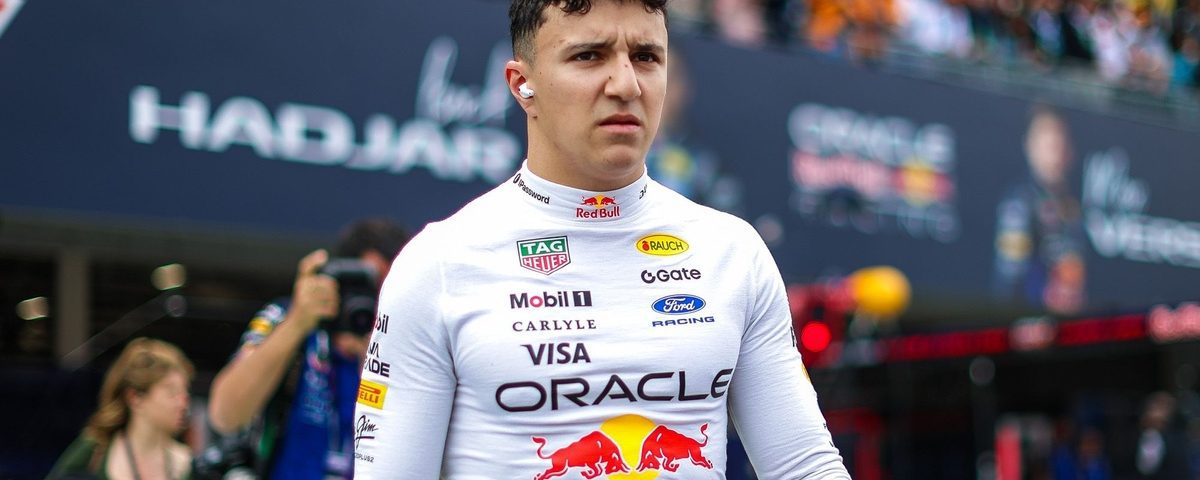
- Isack Hadjar expressed concerns before joining Red Bull in 2025.
- He finished his rookie season in 12th with 51 points in the championship.
- Historical precedents show that rookie concerns can lead to unexpected success.
- The pressure of a Red Bull seat often transforms drivers, shaping their careers.
- Hadjar's trajectory may redefine expectations for future F1 promotions.
In the high-stakes world of Formula 1, the journey of a young driver often unfolds under intense scrutiny. Isack Hadjar, a French-Algerian talent, has made headlines recently as he openly discussed his apprehensions regarding the second seat at Red Bull Racing before officially signing with the team. His candid remarks shed light on both the pressures of joining one of the sport’s most formidable teams and the aspirations that come with it. Hadjar joined Red Bull in 2025, and by the close of his rookie season, he had managed a commendable 12th place finish in the drivers’ championship, amassing 51 points.
Hadjar’s rookie year encapsulates the challenges and expectations that young drivers face when entering Formula 1. The Red Bull Racing team, known for its rich history of developing young talent, often places immense pressure on their drivers to perform from the outset. Hadjar’s admission of concern over the team’s dynamics, particularly regarding the second seat, highlights a common theme seen throughout F1’s storied past—where the weight of expectations can either propel a driver to greatness or contribute to their struggles.
Historical Context: A Pattern of Pressure and Performance
Examining the history of Formula 1, we find a number of instances that resonate with Hadjar’s current situation. The pressure associated with driving for a top team is nothing new. One notable example is Daniel Ricciardo’s early days at Red Bull, where he not only had to fill the shoes of the departed Mark Webber but also compete against the established talent of Sebastian Vettel. Ricciardo’s success came after a period of adjustment, showcasing how drivers can initially feel overwhelmed yet ultimately thrive under pressure.
Another historical parallel can be drawn with Max Verstappen, who entered Formula 1 at the tender age of 17. Like Hadjar, Verstappen faced skepticism regarding his youth and readiness for the sport’s elite level. However, his remarkable debut season at Scuderia Toro Rosso proved the naysayers wrong, culminating in a promotion to Red Bull and a championship-winning career. These examples illustrate a recurring phenomenon in Formula 1: the initial doubts and challenges faced by young drivers can lead not only to significant growth but also to remarkable success.
Hadjar’s concerns echo the sentiments of many drivers who have navigated the intense landscape of F1. The environment at Red Bull can be intimidating, with a strong emphasis on performance and results. However, history suggests that once drivers mature and adapt to the expectations, they can exceed initial limitations and become integral parts of their teams.
The Road Ahead for Hadjar and Red Bull
Looking forward, Hadjar’s future with Red Bull appears promising, but it will not be without its trials. The 2026 championship season presents both opportunities and challenges as he continues to develop as a driver. His rookie season has already set a foundation; he now has a chance to build on that momentum. The question remains, can Hadjar translate his early experiences into consistent performance, especially as he faces seasoned competitors in the championship?
As the new season unfolds, fans will be keen to see how Hadjar navigates the intricacies of race results and qualifying sessions. With every race, he will be shaping not just his career but also the narrative of Red Bull Racing’s ongoing evolution in Formula 1. Should he harness the lessons learned from his initial concerns, he could soon emerge as a formidable force within the sport.
The dynamics of Formula 1 reveal that drivers like Hadjar are often on a precipice of potential. His journey thus far is a testament to the challenges that lie ahead, where each race will test his mettle. The development of his career will certainly be a focal point for fans and analysts alike as they track his progress in the championship.
As we reflect on Hadjar’s situation, it is clear that his journey is emblematic of a broader narrative within Formula 1. The sport has consistently shown that early doubts can transform into extraordinary successes. We find ourselves wondering whether Hadjar will follow in the footsteps of those before him—rising above initial hesitations to establish himself as a significant player in the championship.<br />
Moreover, the scrutiny surrounding Hadjar's performance may serve as a double-edged sword. It could either fuel his ambition to excel or weigh heavily on him, leading to a precarious balancing act. Our view is that the outcome largely depends on how he adapts to the demands of Red Bull and the expectations of the F1 community. With the right mindset, there is every reason to believe that Hadjar may not only silence his critics but also join the ranks of successful drivers who have navigated similar paths.
Source: Isack Hadjar admits concern over “weird” Red Bull seat before 2026 promotion
Sports News Plus is a news aggregator. We do not own or claim rights to any images, videos, or source content featured on this site. All images and media are the property of their respective original owners and publishers. Article content is independently written based on publicly available news sources, which are credited and linked throughout. Full disclosure →