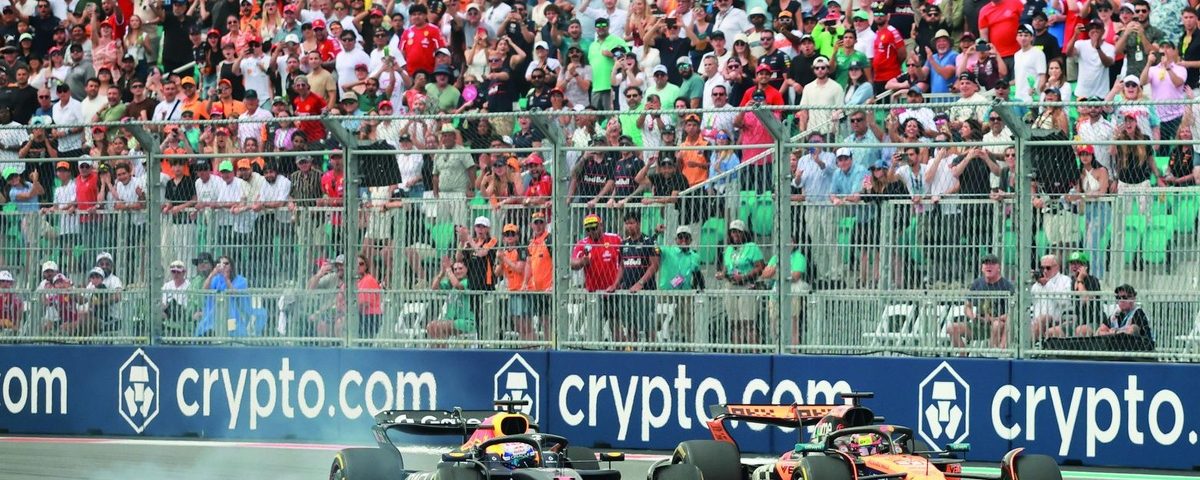
- Apple TV is redefining how fans engage with Formula 1 in the U.S.
- The Miami Grand Prix serves as a critical battleground for championship contenders.
- Mercedes is currently under pressure to maintain its competitive lead.
- The evolving tactics of Ferrari, McLaren, and Red Bull could reshape the championship landscape.
- Future races will continue to hinge on the strategic developments made during qualifying sessions.
Formula 1 coverage The Formula 1 Miami Grand Prix is more than just a race; it represents a pivotal moment in the championship calendar. Scheduled for April 2026, this event will see top teams like Mercedes, Ferrari, McLaren, and Red Bull vying for supremacy. Apple TV has stepped in to revolutionize the viewing experience for U.S. fans, providing not only live race coverage but also in-depth analysis of practice and qualifying sessions leading up to the main event. This comprehensive approach allows viewers to engage with the sport on a deeper level, understanding the intricacies that shape race results.
Apple’s foray into Formula 1 coverage comes at a time when the sport’s popularity is skyrocketing in the United States. With the current championship race heating up, teams are under increasing pressure to maximize their performance during all facets of race weekends. The Miami Grand Prix is particularly significant as it poses a unique challenge for reigning champions Mercedes, who must defend their position against a resurgent Ferrari and an ever-improving McLaren and Red Bull.
The strategic dimension of Formula 1 cannot be overstated. As teams prepare for each race, practice sessions become critical in determining their setups and strategies. In Miami, the tight and technical layout of the circuit demands precision and adaptability. Qualifying will be essential, especially given how crucial pole position can be in securing a race win. With Apple TV’s in-depth coverage, fans can expect to see behind-the-scenes insights into how teams like Mercedes fine-tune their cars and strategies in the lead-up to the race.
Understanding the Tactical Breakdown
In Formula 1, the tactical approach can often dictate the outcome of a race. For the Miami Grand Prix, we must analyze how each team’s strategy might play out on race day. Mercedes, known for its superior engineering, has traditionally thrived on circuits with long straights combined with complex corners. However, rivals like Ferrari have been working diligently to close the performance gap, focusing on maximizing downforce and tire management.
The key battles during the race will likely occur in the midfield, where teams like McLaren and Aston Martin can disrupt the established order. Their ability to capitalize on Mercedes’ potential early mistakes or tire degradation could be pivotal in shaping the final race result. Additionally, the qualifying sessions will be critical, as they determine the starting grid and can heavily influence pit strategies during the race. We can expect teams to be aggressive in their tire choices, especially as weather conditions can vary dramatically during the Miami Grand Prix.
As we look ahead to the race weekend, it’s imperative that viewers pay attention to how each team adapts their strategies not just for qualifying, but also for the race. The stakes are high, and every small adjustment could be the difference between championship glory and disappointment.
The Future of Formula 1 Coverage
Apple TV’s commitment to enhancing the Formula 1 experience goes beyond just race-day excitement. By providing extensive pre-race coverage, analysis from expert commentators, and interactive features, they are setting a new standard in sports broadcasting. This innovative approach caters to both casual fans and die-hard enthusiasts who crave deeper insights into the sport.
The inclusion of technical analyses and live data during races enriches the viewing experience, allowing fans to better understand the dynamics at play. The U.S. market has historically lagged behind Europe in terms of Formula 1 fandom, but with Apple TV leading the charge, we are witnessing a seismic shift. As technology continues to evolve, it will be fascinating to see how the relationship between teams, fans, and broadcasters develops.
In conclusion, the Miami Grand Prix is not just another race in the calendar; it’s a window into the future of Formula 1 coverage in the United States. Apple TV’s innovative approach signals a move towards a more engaged and informed fan base, which will undoubtedly enrich the championship narrative for years to come.
Our editorial desk believes that Apple TV’s entry into the Formula 1 broadcasting space could fundamentally change how fans interact with the sport. We anticipate that this innovative coverage model might serve as a blueprint for other sports leagues to follow. The emphasis on comprehensive coverage and tactical breakdowns provides a layer of authenticity and depth that can attract a wider audience, particularly in regions where motorsport has not traditionally been a focal point.<br />
As we think about the future, it’s crucial to consider how these advancements will impact the competition itself. With teams like Mercedes possibly facing new challenges from rivals who adapt more quickly to the insights provided by this coverage, the competitive balance in Formula 1 could shift dramatically. If this trend continues, we might very well see a more unpredictable championship landscape, which could excite fans and draw in even more viewership.
Source: What Apple TV’s F1® coverage delivers for fans in the U.S.
Sports News Plus is a news aggregator. We do not own or claim rights to any images, videos, or source content featured on this site. All images and media are the property of their respective original owners and publishers. Article content is independently written based on publicly available news sources, which are credited and linked throughout. Full disclosure →