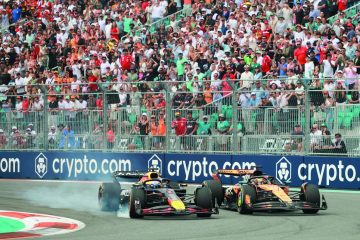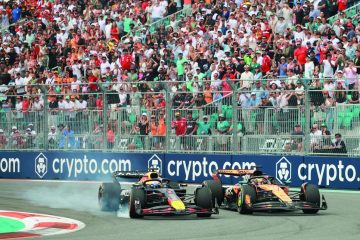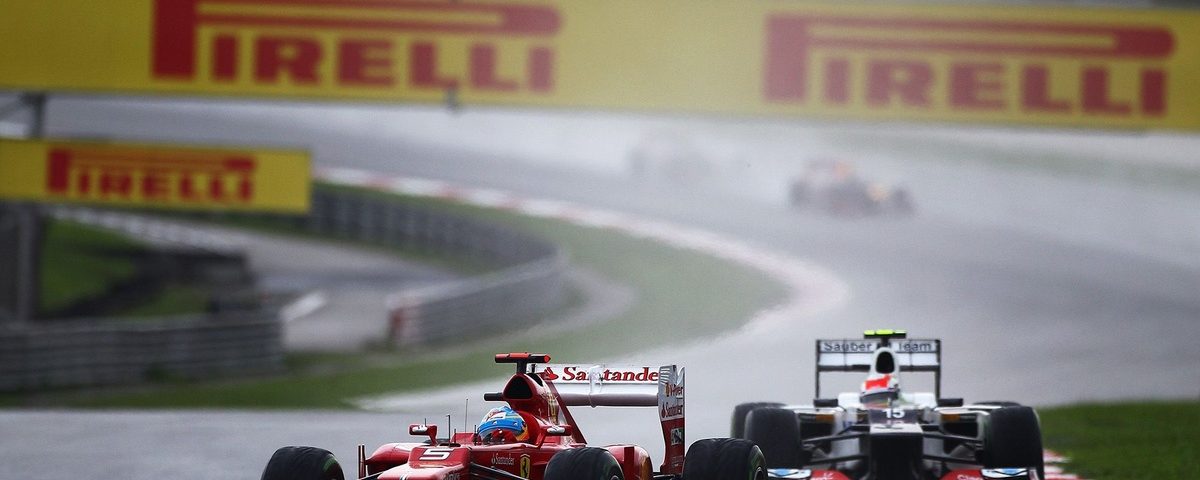
- The resurgence of historical venues could enhance the excitement of Formula 1 races.
- Classic tracks like Sepang and Istanbul are under consideration for future seasons.
- The strategic layout of these venues offers unique challenges for teams during qualifying.
- Fan engagement is likely to increase with the return of beloved tracks.
- This shift may have significant implications for championship standings in upcoming seasons.
In a surprising twist for Formula 1 enthusiasts, discussions are underway regarding the return of several classic tracks to the race calendar. Venues such as Sepang in Malaysia and Istanbul Park in Turkey have emerged as frontrunners in this nostalgic revival, which could reshape the competitive landscape of the championship. This news was highlighted on April 24, 2026, and has generated a wave of excitement among fans and teams alike, keen to see how these historical circuits will influence race results and qualifying performances.
Formula 1: What You Need to Know
The allure of historical tracks lies not only in their rich heritage but also in their strategic complexity. Unlike many newer circuits that often prioritize safety and predictability, tracks like Sepang and Istanbul are renowned for their unique layouts and challenging characteristics that test both drivers and teams. The potential return of these venues to the Formula 1 calendar may reinvigorate not just the racing but also the championship dynamics.
Historically, the Sepang International Circuit is known for its wide, sweeping corners and long straights, which provide ample opportunities for overtaking. This track has often been a favorite among drivers due to its combination of high-speed sections and technical corners that require precision and skill. Istanbul Park, on the other hand, features the notorious Turn 8, a multi-apex corner that has proven to be both challenging and thrilling, creating opportunities for dramatic overtakes and strategic battles throughout the race.
As we look towards the future, the inclusion of these circuits could significantly alter the strategies teams employ during qualifying and race day. The layout of Sepang, for instance, demands a car setup that balances speed on the straights with agility in the corners, while Istanbul’s complex nature could lead teams to prioritize tire management and fuel strategy more than they would on simpler tracks. This means teams may need to adapt their approaches, making the championship even more competitive.
Analysis & Key Takeaways
The tactical implications of these classic tracks go beyond just the physical layout. They bring with them a rich history and emotional connection for fans and drivers alike. The excitement of returning to a cherished venue can boost morale within teams and create a palpable atmosphere that enhances the viewing experience. Each race at these tracks has the potential to become a highlight of the season, reminiscent of memorable battles from years gone by.
Furthermore, the return of these historical venues aligns with a broader trend in motorsport, as fans increasingly crave authenticity and heritage in the events they attend. There is a growing desire for circuits that challenge drivers and provide thrilling spectacles rather than sterile, cookie-cutter tracks. By reintroducing beloved venues, Formula 1 could not only boost attendance but also deepen fan engagement through nostalgia, creating a buzz that extends beyond the track.
The strategic battles during qualifying sessions could also see a transformation. With varied circuit layouts, teams may have to rethink their qualifying strategies, adapting to each venue’s unique demands. For instance, at Sepang, the long straights may lead teams to focus on outright speed and aerodynamics, while Istanbul could encourage setups that prioritize downforce and tire management. These strategic variances could lead to surprises in both grid positions and race outcomes, adding further intrigue to the championship.
As the discussions surrounding these track returns continue, it is clear that the potential consequences for the Formula 1 championship are significant. The reintroduction of classic venues could lead to a reshuffling of team strategies, impacting race results and the overall championship standings. As we anticipate the return of these iconic tracks, we can only hope that they bring with them thrilling races, unforgettable moments, and a renewed sense of excitement to the Formula 1 calendar.
The implications of this shift are felt not just by drivers and teams but also by fans yearning for the excitement that historical circuits promise. If Formula 1 successfully integrates these tracks into its future, we may witness a new era of racing, where the unpredictability and charm of classic venues create a perfect storm of competition and nostalgia.
As we consider the broader implications of this news, it's essential to reflect on how reviving classic tracks can impact the overall Formula 1 landscape. While the excitement of returning to historical venues is palpable, our view is that the strategic depth they offer will significantly influence team dynamics. The potential for surprise results could become a hallmark of the championship, as teams adapt to the unique challenges presented by each circuit.<br />
Moreover, let's not overlook the commercial aspect. Classic tracks tend to generate stronger fan engagement, which is vital for the sport's growth. With increasing competition in motorsport, creating an emotionally resonant narrative around these venues could attract new fans and rekindle the passion of longtime followers. This could lead to increased viewership and higher ticket sales, benefiting teams and the sport as a whole.
Source: Those tracks we want to return to the F1 calendar
Sports News Plus is a news aggregator. We do not own or claim rights to any images, videos, or source content featured on this site. All images and media are the property of their respective original owners and publishers. Article content is independently written based on publicly available news sources, which are credited and linked throughout. Full disclosure →