- The Monaco Grand Prix has sparked a debate over its race result due to an Alpine appeal.
- This controversy centers on a minor measurement error impacting the race outcome.
- The decision on the appeal could alter driver standings significantly.
- Upcoming fixtures may see heightened scrutiny regarding race regulations.
- Fans’ expectations are mounting for clarity and fairness in the championship moving forward.
The Monaco Grand Prix has always held a unique place in the hearts of Formula 1 fans, but recent events have cast a long shadow over its prestige. Following the race on June 16, 2026, Alpine Racing lodged a right of review request concerning the race result, alleging that a critical measurement error—specifically, a discrepancy of 77 centimeters—led to an unfair outcome. This implosion in the seemingly flawless world of Formula 1 raises significant questions about how race results are determined and what this means for the championship.
Formula 1: What You Need to Know
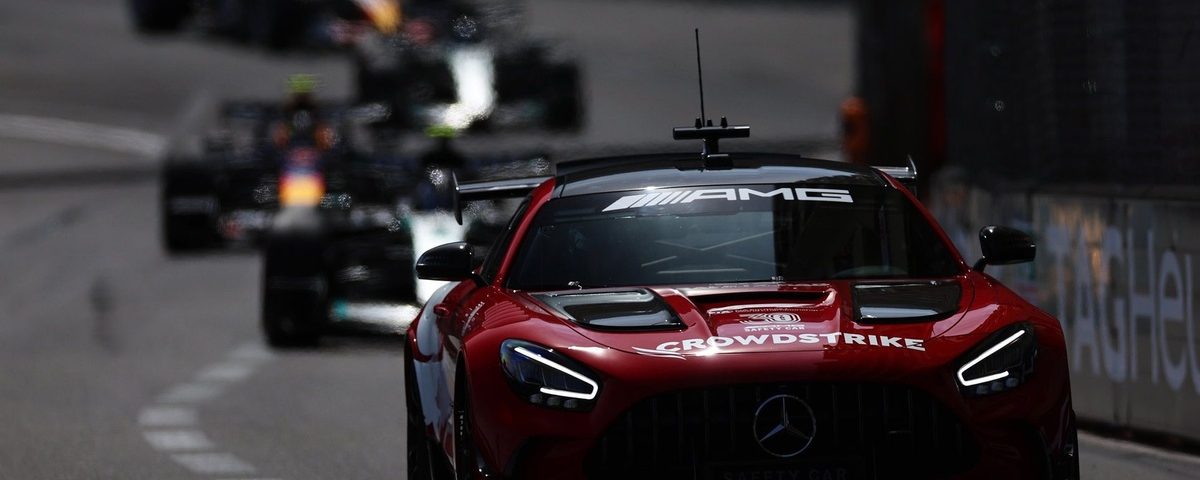
As the race unfolded on the iconic streets of Monte Carlo, the tension was palpable. Each driver maneuvered with precision, but the outcome was marred by what can only be described as a classic Formula 1 mess. The Monaco GP is renowned for its narrow lanes and tight corners, where every millimeter counts. An error, however minor, can have monumental implications, particularly in a championship where every point matters.
In the wake of Alpine’s appeal, the FIA (Fédération Internationale de l’Automobile) is now tasked with reviewing the evidence and making a decision that could shake up the championship landscape as we know it. The implications could extend beyond just the driver standings; they may affect the upcoming races as well, leading to a potential re-evaluation of qualifying protocols and race regulations.
What happens next in the wake of this controversy is crucial for both teams and fans alike. If the FIA decides to uphold Alpine’s appeal, we might see Lewis Hamilton or Charles Leclerc’s standings shift dramatically, impacting their respective championship battles. For drivers currently in contention, every point is vital as we approach the mid-season races. The implications of this ruling could lead to heightened scrutiny in future qualifying sessions, as drivers and teams navigate the fine line between performance and compliance with FIA regulations.
Analysis & Key Takeaways
Upcoming fixtures, including the British Grand Prix and the upcoming home race for many teams, will be closely monitored. Fans will be looking for signs of how this controversy impacts the teams as they prepare for what is often a pivotal moment in the season. The stakes are higher than ever; with the championship battle heating up, the pressure mounts on both drivers and officials to ensure fairness and consistency.
Of course, the fallout is not just confined to standings. Fan expectations are shifting as well. Many supporters are calling for increased transparency and strict enforcement of regulations. The Monaco GP incident has reignited discussions around the integrity of the sport, with fans yearning for a return to a time when results were beyond reproach. If the FIA is perceived as mishandling this situation, it may lead to a loss of trust among fans, who ultimately fuel the sport’s popularity and financial success.
In an era where the precision of Formula 1 is measured to the third decimal point, any error—no matter how small—can lead to an avalanche of controversy. The upcoming races will not only test the mettle of the drivers but also the governing bodies responsible for ensuring a level playing field. As the championship progresses, it will be fascinating to see how teams adapt to the increased scrutiny and whether this incident will serve as a catalyst for regulatory change.
The implications of the Monaco GP mess are far-reaching, and as we look ahead, the potential for shifts in both driver standings and team strategies looms large. Will Alpine’s right to review lead to a more comprehensive evaluation of race outcomes? Or will it reinforce the existing frameworks that govern the sport? One thing is certain: the world of Formula 1 is watching, and the answers will be pivotal as the season unfolds.
From our perspective at the SNP editorial desk, the fallout from the Monaco Grand Prix is not merely a momentary blip on the radar of Formula 1. Instead, it represents a critical juncture that could redefine how race results are adjudicated in the sport. As teams and drivers prepare for upcoming races, the increased emphasis on scrutiny may lead to tactical changes in how they approach qualifying sessions.<br />
Furthermore, it is important to consider the long-term implications for the FIA itself. If the governing body does not take substantial steps to address the concerns raised by Alpine’s appeal, it risks alienating a fanbase that values integrity. We anticipate that the controversy may spur discussions around the potential for technological advancements in measurement and compliance that could prevent similar errors in the future.<br />
In conclusion, the Monaco GP incident could ultimately serve as a pivotal moment for both the sport and its governing bodies, ushering in necessary reforms that ensure fairness and precision in the future of Formula 1 racing.
Source: The only 'fair' – or not really – way to fix F1's Monaco GP mess
Sports News Plus is a news aggregator. We do not own or claim rights to any images, videos, or source content featured on this site. All images and media are the property of their respective original owners and publishers. Article content is independently written based on publicly available news sources, which are credited and linked throughout. Full disclosure →