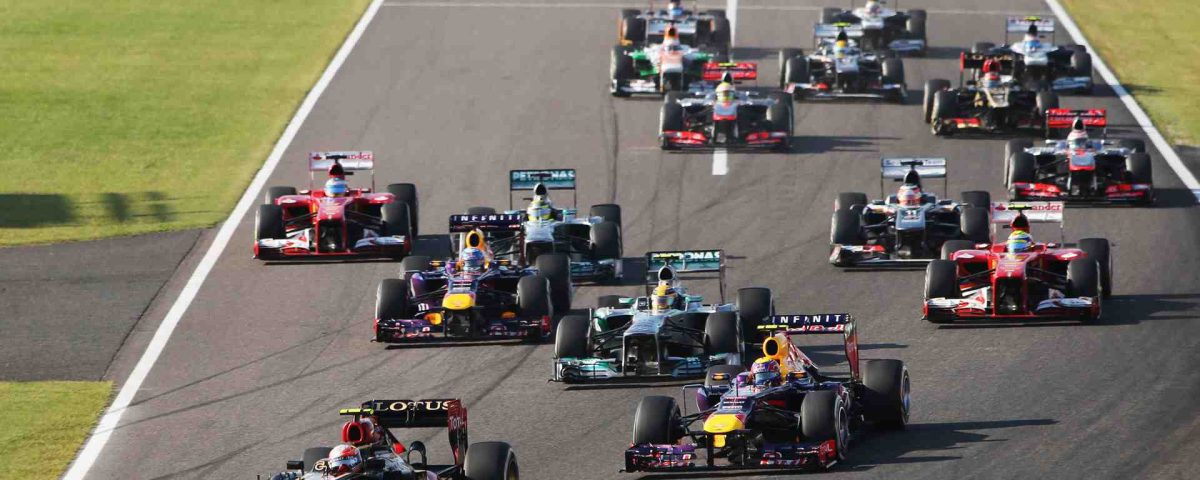
- F1 president Ben Sulayem is proposing a shift to 880bhp V8 engines with hybrid capabilities for 2030.
- This change could significantly alter the competitive landscape of the championship.
- Fans are actively debating the implications on social media, particularly regarding sustainability.
- The proposed changes may influence team strategies and performance in upcoming seasons.
- Enthusiasts are divided on the balance between performance and environmental responsibility.
In a recent announcement from Formula 1 president Mohammed Ben Sulayem, the future of the sport is being envisioned through a bold proposal. He suggests that by 2030, Formula 1 could see the introduction of 880bhp V8 engines with a 10% hybrid component. This forward-thinking approach was highlighted in the RaceFans round-up published on June 15, 2026, and is already causing a stir among fans, teams, and stakeholders alike.
Formula 1: What You Need to Know
The proposed shift to more powerful engines combined with some hybrid technology aims to enhance the performance and speed of the cars. With the current trend toward sustainability and environmental awareness, the hybrid component seeks to address both performance and ecological impacts. As Formula 1 continues to evolve, the sport is at a crossroads where tradition meets innovation.
Such a significant change could have a profound impact on the championship landscape. Teams will need to adapt their designs and strategies, and fans are left wondering how this will affect the race results and qualifying formats they’ve come to love. The 880bhp V8 engines, while powerful, may also amplify the existing competitive pressures, raising questions about which teams can keep pace with the technological advancements.
As we look at the fan reactions, social media has become a hotbed of debate regarding this proposal. Some supporters are excited about the potential for increased power and thrilling race results, while others express concern about the sport’s direction. Comments range from excitement over faster laps to worries that heavier reliance on hybrid technology could dilute the raw essence of racing that many fans cherish.
Analysis & Key Takeaways
The discourse is revealing a split in sentiment. On one side, there are purists who argue that F1 should prioritize speed and performance over hybridization. They fear that the essence of motorsport may be lost in a push for greener technologies. Conversely, many fans recognize the necessity of adapting to environmental concerns, arguing that the sport needs to lead by example in promoting sustainability. This ongoing conversation reflects broader societal trends toward greener practices, making it a pertinent topic not just for motorsport enthusiasts but for the general public as well.
The implications of such a change extend beyond the engines themselves. Teams will have to rethink their entire approach to the championship. For example, if the proposed engines are adopted, teams that excel in engineering and manufacturing could gain a significant advantage. This might shift the balance of power in the championship standings, making it crucial for teams to invest in research and development to remain competitive.
Moreover, the anticipated performance changes could influence how qualifying sessions are approached. Faster cars may lead to more exhilarating qualifying results, as drivers push the limits of their machines. Fans are eager to see how teams strategize under these new conditions, particularly in terms of tire management and energy conservation during races.
Looking ahead, this proposal could be a double-edged sword. While the prospect of enhanced performance is thrilling, it raises the question of whether the emphasis on hybrid technology might lead to an unintended consequence: a disconnect from the raw, visceral experience that has traditionally drawn fans to Formula 1. As the sport prepares for this potential transformation, the conversation among fans will undoubtedly shape the reception of these changes, influencing how teams and drivers approach the 2030 championship season and beyond.
As we move closer to the proposed changes, the anticipation within the fan base is palpable. Will the introduction of 880bhp engines with hybrid tech redefine Formula 1 for the better? Or will it complicate the very essence that makes racing captivating? The answers will emerge as teams gear up for a new era, navigating the intricate balance between speed, competitiveness, and sustainability.
In our view, the proposed shift towards 880bhp V8 engines with a hybrid component could be a watershed moment for Formula 1. While it promises to enhance the excitement on track, it also invites a larger conversation about the identity of the sport. We believe that the success of this transition will hinge on how well teams adapt to the technological advancements while still delivering the raw thrills that fans expect.<br />
Moreover, this could offer a unique opportunity for new entrants into the sport, as the changes may favor innovative teams that can leverage advanced technologies. The evolving landscape of Formula 1 could lead to a more diverse championship, with up-and-coming teams potentially making their mark against traditional powerhouses. As fans engage in heated debates, the dynamic of the sport is set to change, and we look forward to seeing how these discussions shape the future of Formula 1.
Source: Round-up: Ben Sulayem wants 880bhp V8s with ‘10% hybrid’ for F1 in 2030, in more | RaceFans Round-up
Sports News Plus is a news aggregator. We do not own or claim rights to any images, videos, or source content featured on this site. All images and media are the property of their respective original owners and publishers. Article content is independently written based on publicly available news sources, which are credited and linked throughout. Full disclosure →