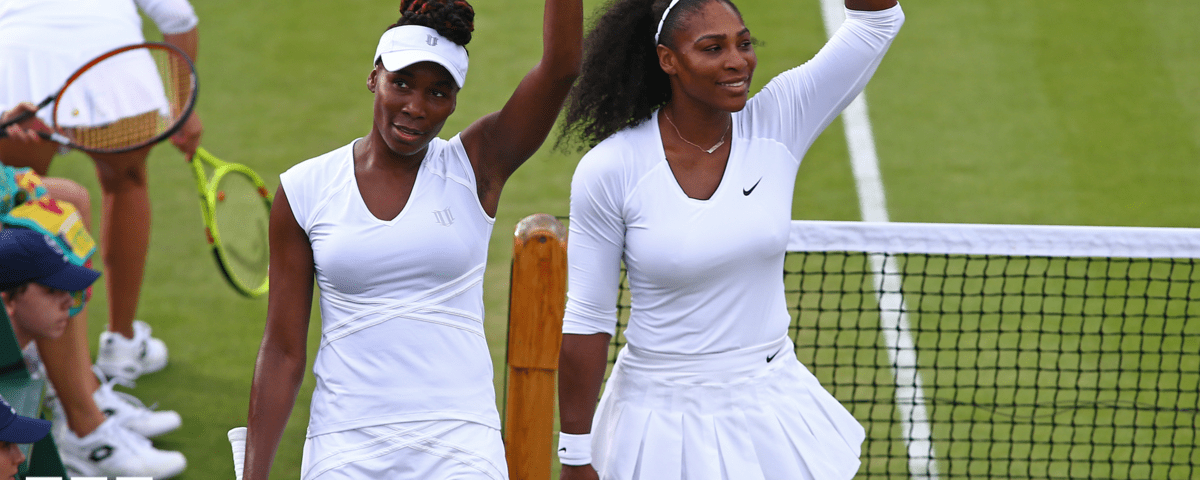
- Wildcards at Wimbledon provide opportunities for players outside the ATP and WTA tours.
- Historical performance suggests that wildcard recipients often struggle to advance past the early rounds.
- The selection process for wildcards involves a mix of player potential and marketability.
- Recent trends show an increased focus on junior talent in the selection process.
- With a new generation of players, the dynamics of wildcards may shift in future tournaments.
Wimbledon wildcards The iconic Wimbledon Championships, held annually at the All England Club in London, is the sport’s oldest grand slam event, attracting the world’s best tennis talent. However, beyond the top-ranked players, a select group receives wildcard entries, allowing them to compete against the elite of the ATP and WTA tours. This year, as Wimbledon approaches its opening matches, fans and analysts alike are curious about how these wildcards are decided and what implications they carry for the tournament.
Wimbledon wildcards are awarded to players who do not qualify through traditional means, often due to their ATP ranking or WTA ranking. The decision-making process is complex and can vary from year to year, influenced by factors such as player performance, national representation, and even marketing potential. While this system aims to give deserving players a shot at tennis’s most prestigious event, it is also an opportunity for the tournament to attract local talent and generate fan interest.
Historically, wildcards have seen mixed success at Wimbledon. For instance, while a small number of wildcard entrants have made a significant impact—like Goran Ivanisevic winning the title in 2001—most struggle to advance beyond the early rounds. According to recent statistics, the average win rate for wildcard entrants in the first round has hovered around 25% in recent years, underscoring the challenge these players face against seasoned competitors.
The Role of National Federations and Sponsorships in Wildcard Selection
National federations play a pivotal role in the nomination of wildcard players. They often submit their top junior players or those who demonstrate potential but may not yet have the ATP or WTA rankings to gain direct entry. This approach not only highlights emerging talent but also promotes the sport at the grassroots level. For instance, in 2023, the All England Club awarded several wildcards to promising British players, hoping to energize local support and create narratives that resonate with fans.
Sponsorship also influences wildcard selections. Players with commercial appeal or those who can draw a crowd may be prioritized, even if their recent match results don’t justify a direct entry. This was evident when a well-known player, despite being outside the top 100, received a wildcard last year due to their popularity and marketability. This intertwining of sport and commerce is a critical aspect of modern tennis, particularly at grand slam events like Wimbledon.
By the Numbers: Wildcard Success Rates and Trends
To better understand the significance of wildcards at Wimbledon, we can examine several key statistics that provide context. As mentioned earlier, the average win rate for wildcard entrants is approximately 25%. This figure has remained relatively stable, with only a handful progressing to the second week of the event. Notably, from 2000 to 2020, just five wildcard players reached the quarterfinals, highlighting the uphill battle these athletes face.
In terms of scoring averages, wildcards often struggle to maintain competitive service games. Data indicates that roughly 30% of wildcard players experience a first-serve percentage below 50% in their opening matches, a statistic that underscores the pressure and nerves associated with competing at such a high profile tournament. Furthermore, historical records show that the average match duration for wildcard entrants tends to be shorter than the overall tournament average, suggesting early exits are common.
As we look towards the future, the landscape of wildcard selections may be shifting. The increasing emphasis on youth development and the success of junior tournaments could pave the way for younger players to break into the grand slam scene. The performance of these players in the junior circuit not only affects their chances for a wildcard but also impacts their ATP and WTA ranking journey.
In conclusion, while Wimbledon wildcards are a beacon of hope for many aspiring tennis players, the challenge remains monumental. The mix of national representation, sponsorship, and raw talent creates a dynamic environment that can lead to both inspiring stories and heart-wrenching defeats. As the tournament approaches, the spotlight will undoubtedly be on these wildcard entrants, eager to defy the odds and make their mark on one of the sport’s grandest stages.
As we delve deeper into the implications of Wimbledon wildcards, it becomes clear that the selection process is not merely about tennis ability but also about narrative and marketability. Wildcards can serve as a lifeline for players whose careers may be at a crossroads, potentially revitalizing their journey or, conversely, marking the end of a chapter. The emphasis on youth in recent years is a double-edged sword; while it can bring fresh energy to the tournament, it also places immense pressure on young athletes to perform at levels typically reserved for their more seasoned counterparts.<br />
We also foresee a shift in the perception of wildcards moving forward. With the rise of alternative tennis circuits and increased competition for spectator attention, the importance of creating compelling narratives around wildcard entrants could become even more pronounced. As new players rise through the ranks, the stories surrounding these athletes will not only excite fans but will also allow Wimbledon to maintain its relevance in an ever-evolving sports landscape. The coming years may see wildcards take on a new significance, serving as a bridge between the established stars of the ATP and WTA tours and the emerging talents ready to claim their place on the grand slam stage.
Source: How are Wimbledon wildcards decided?
Sports News Plus is a news aggregator. We do not own or claim rights to any images, videos, or source content featured on this site. All images and media are the property of their respective original owners and publishers. Article content is independently written based on publicly available news sources, which are credited and linked throughout. Full disclosure →