- The bond between Formula 1 drivers and race engineers has deepened in 2026.
- Complex regulations have made communication more pivotal than ever.
- Race results may hinge on the synergy between drivers and their engineers.
- Upcoming fixtures could be significantly affected by this dynamic.
- Fan expectations are rising as teams adapt to these changes ahead of the championship.
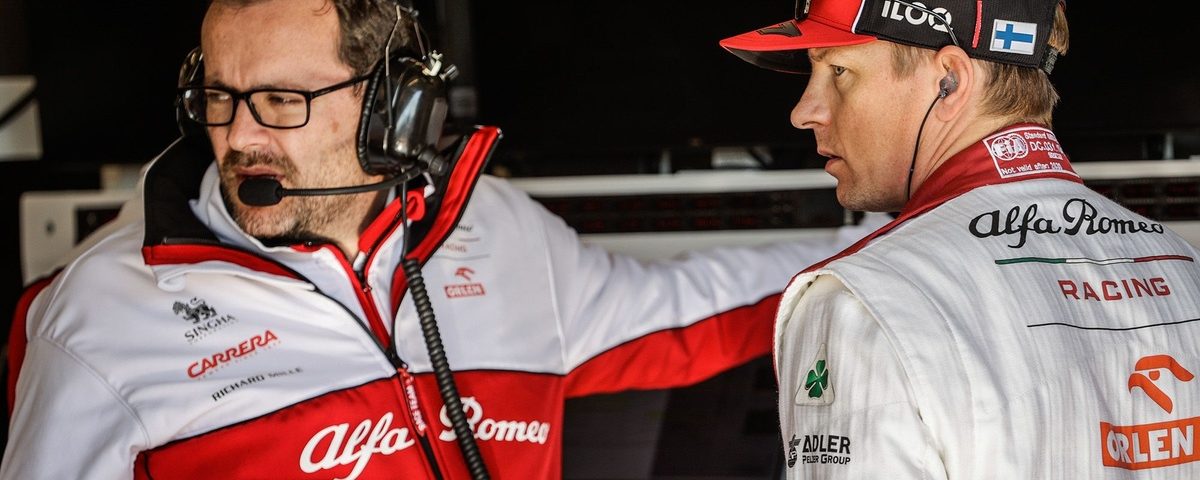
In 2026, the relationship between Formula 1 drivers and their race engineers has reached a new level of importance, primarily due to the increased complexity of the sport’s regulations. As teams prepare for the next set of Grand Prix events, understanding how this relationship influences performance is essential. Notable figures like ex-F1 engineer Julien Simon-Chautemps have emphasized that the collaboration between drivers and engineers can significantly affect race results.
Formula 1: What You Need to Know
This season, every nuance in communication can determine not only the immediate success of a race but also the trajectory of the championship standings as we move into the later parts of the season. With upcoming fixtures set to challenge teams in unique ways, the ability of engineers to relay crucial information, such as tire strategies and pit timing, will be instrumental for drivers aiming to secure valuable points.
The complexities introduced by the latest regulation changes mean that races may be won or lost based on a split-second decision made on the pit wall. Drivers must rely on their race engineers to provide real-time feedback and strategic insight, particularly during qualifying sessions where every millisecond counts. Teams that can foster a strong synergy between their drivers and engineers could have a substantial advantage, making the dynamics of these relationships a focal point for the 2026 championship.
Looking ahead, the next few races will serve as a litmus test for how well teams adapt to these evolving dynamics. The upcoming Grand Prix in Monaco, known for its technical demands and narrow streets, will put additional pressure on race engineers to guide their drivers effectively. A miscommunication here could lead to catastrophic results, changing the standings dramatically. With the world watching, both drivers and race engineers will be under immense pressure to perform.
Analysis & Key Takeaways
As the season progresses, we can expect fans to become increasingly aware of these dynamics. Successful partnerships may lead to heightened expectations; fans will closely monitor how driver performance correlates with the effectiveness of their race engineers. This could lead to a shift in how fans view team success, as they might start to hold race engineers in higher regard, recognizing their contributions to race results.
Moreover, the implications of these relationships extend beyond the current season. With driver contracts often tied to performance, we could see significant movement in the driver market if some engineers prove particularly successful in guiding their teams to victory. Teams that struggle may look to re-evaluate their engineering staff, creating a ripple effect throughout the paddock. As a result, we may see a flurry of activity in the transfer market as teams reassess their line-ups during the mid-season break.
While the focus has predominantly been on the drivers, the evolving role of race engineers cannot be understated. They serve not only as technical experts but also as vital psychological support for drivers navigating the intense pressures of Formula 1. Strong relationships can provide the confidence drivers need to push their limits on the track, ultimately impacting the championship race.
As we approach the mid-season, the spotlight will likely shine brighter on the interactions between drivers and engineers. With each race, fans will become more attuned to the intricacies of these relationships, leading to a deeper appreciation of the sport’s complexities. As the championship unfolds, the narrative of driver-engineer collaborations will not only shape race outcomes but will also redefine what it means to be successful in Formula 1.
In conclusion, the relationship between drivers and their race engineers in Formula 1 is more critical than ever in 2026. As teams navigate an increasingly complex regulatory environment, how they communicate and strategize will directly impact race results and the championship standings. With expectations from fans rising, this new era of collaboration presents both challenges and opportunities for teams as they seek to outpace their rivals.
As we look ahead, it’s clear that the evolving dynamics of driver-engineer relationships will not only impact immediate race results but also shape the long-term strategies of teams across the grid. The intensity of competition in Formula 1 has historically demanded that every advantage be exploited, and this season is no different. It is our view that teams which invest in building strong, communicative partnerships between drivers and engineers will be better positioned to adapt to the relentless pace of technological advancement and regulatory changes.<br />
Moreover, we anticipate that the increasing pressure on race engineers could lead to a transformation in how teams structure their support staff. As the complexities of racing evolve, the best teams may look to hire not just skilled engineers but also those with exceptional interpersonal skills, capable of fostering strong relationships with drivers. This shift could redefine team dynamics and perhaps even influence driver selection in the future, as organizations seek individuals who can thrive in a collaborative environment that values communication as much as technical prowess.
Source: Relationship between F1 driver and race engineer more crucial than ever
Sports News Plus is a news aggregator. We do not own or claim rights to any images, videos, or source content featured on this site. All images and media are the property of their respective original owners and publishers. Article content is independently written based on publicly available news sources, which are credited and linked throughout. Full disclosure →