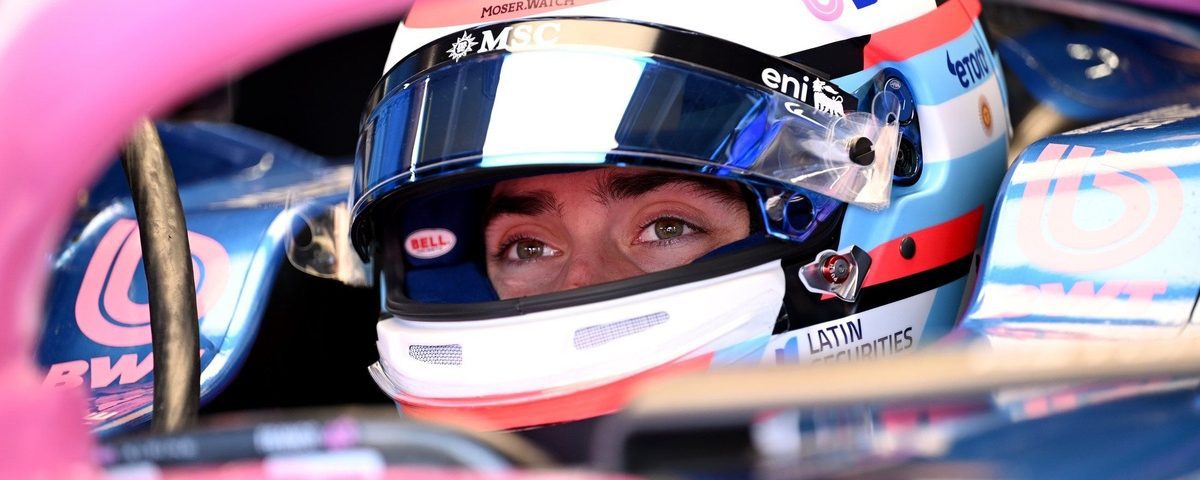
- Franco Colapinto will race for Williams for the remainder of the 2024 season following Logan Sargeant's departure.
- Sargeant's crash at Zandvoort led to a swift team decision, illustrating the high stakes in Formula 1.
- Colapinto's promotion raises questions about his potential impact on the team's performance.
- Historical precedents exist where similar driver changes either revitalized or hindered teams.
- This move could signify a shift in Williams’ strategy as they aim to improve their race results in the championship.
In a dramatic turn of events in the world of Formula 1, Argentine driver Franco Colapinto has officially taken over the seat at Williams Racing, succeeding Logan Sargeant for the remainder of the 2024 season. This decision came swiftly after a severe crash during the third free practice session at Zandvoort, where Sargeant’s car was engulfed in flames. The incident prompted Williams’ team principal, James Vowles, to act decisively, indicating the urgency and high stakes that characterize Formula 1.
Colapinto, who had been racing with Dutch team MP Motorsport, now finds himself at the pinnacle of racing, taking on the pressures and expectations that come with competing in Formula 1. The young driver has shown promise in the junior formulas, but transitioning to the top tier of motorsport presents unique challenges. As he steps into this crucial role, the motorsport community is left to ponder what this change means for Williams and the championship standings.
The decision to replace Sargeant is not merely a reaction to one dramatic event but also reflects the larger narrative of competitiveness within Formula 1. Teams are under constant pressure to deliver results, and any signs of weakness can lead to swift changes. Williams, historically a powerhouse in the sport, finds itself in a rebuilding phase, and this change could signal a new direction for the team.
Historical Context: A Lesson from the Past
Colapinto’s rise to the Williams seat drags us back to similar pivotal moments in Formula 1 history where driver changes reshaped the landscape of the championship. One notable example is when Pierre Gasly was replaced by Alex Albon at Red Bull Racing in 2019. Gasly struggled to find form alongside Max Verstappen, leading to a decision that ultimately revitalized the team’s competitiveness. Albon’s tenure brought fresh energy, allowing Red Bull to stay in the title hunt.
Another memorable instance occurred in 2006 when Fernando Alonso departed Renault, prompting them to replace him with Giancarlo Fisichella. While not as impactful as a championship-winning driver, this strategic move aimed to retain the manufacturer’s competitive edge, demonstrating how a driver change can influence team dynamics and performance.
History suggests that the impact of a new driver can vary widely. In some cases, it has led to immediate success, while in others, the transition has proved rocky, resulting in a struggle to find the right set-up and chemistry. For Williams, the stakes are high, as they aim to claw their way back up the championship ladder after years in the shadows.
What Lies Ahead for Colapinto and Williams
As Colapinto takes the wheel, he faces the dual challenge of absorbing the sheer pressure of competing in Formula 1 while delivering results that contribute to Williams’ quest for resurgence. His previous experiences in the junior formulas will be paramount as he adapts to the intricacies of the Williams FW46. Each qualifying session will be critical, not just for his performance but also for the team’s overall standing in the championship.
The upcoming races will serve as a litmus test for both Colapinto and Williams. Fans and pundits alike will be watching closely to see if the young driver can harness his talent and bring about positive race results. The pressure will be immense, as expectations are high—not just to finish races but to score points that can lift the team from its current position in the constructors’ championship.
Ultimately, this moment serves as a microcosm of the relentless nature of Formula 1, where every decision is scrutinized, and every performance carries weight. The championship is not just about individual prowess but also about how well a driver can integrate into a team’s strategy and culture. Colapinto’s journey, should he thrive, might just be the catalyst for a Williams revival that fans have longed to see.
As we look at Colapinto’s entry into Formula 1, we can't help but reflect on the broader implications of such driver changes in a sport where every decision is magnified. It brings to mind the idea that a fresh perspective can often lead to breakthroughs. While Colapinto is unproven at this level, his success could hinge on how well he adapts to the car and the team dynamics.<br />
Moreover, Williams must ensure that they provide the necessary support for him to flourish. The team has been notorious for its struggles in recent seasons, and while a change can invigorate, it can also create instability. We believe that if Colapinto can quickly acclimate and deliver some strong qualifying performances, it may not only improve his confidence but also provide the team with the momentum it desperately needs. Therefore, this driver change represents both a risk and an opportunity—a classic Formula 1 narrative that keeps fans on the edge of their seats.
Source: Franco Colapinto opens up about the toughest moment of his F1 career
Sports News Plus is a news aggregator. We do not own or claim rights to any images, videos, or source content featured on this site. All images and media are the property of their respective original owners and publishers. Article content is independently written based on publicly available news sources, which are credited and linked throughout. Full disclosure →