- Guenther Steiner suggests Max Verstappen "absolutely" regrets not signing with Mercedes.
- The competitive landscape of Formula 1 has shifted significantly in recent seasons.
- Verstappen's frustration highlights the pressures elite drivers face within their teams.
- The Red Bull team's current struggles raise questions about Verstappen's championship prospects.
- As the future unfolds, Verstappen’s decisions may redefine his legacy in Formula 1.
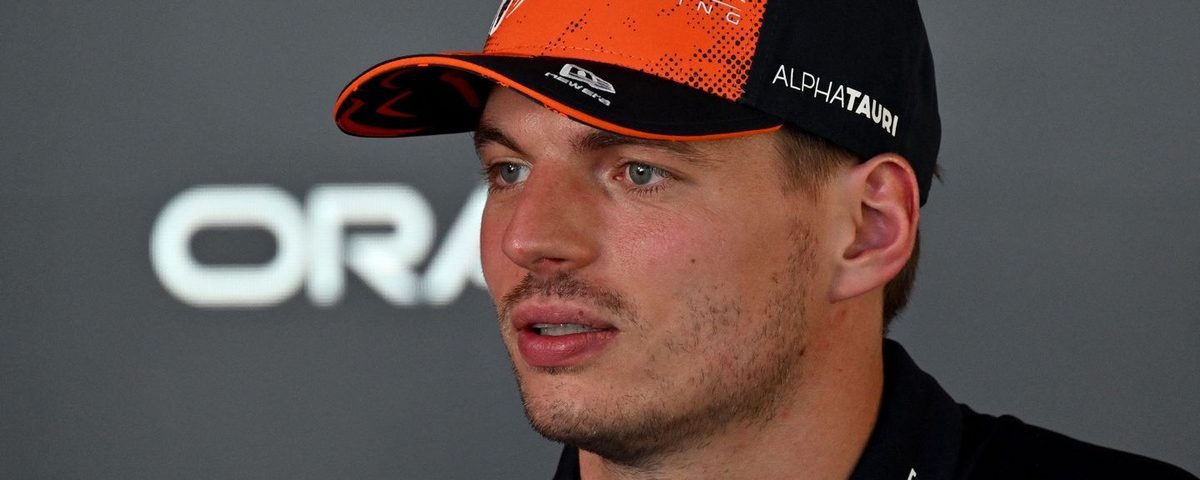
Max Verstappen, the reigning champion of Formula 1, finds himself in a precarious situation as speculation swirls around his future with Red Bull Racing. Guenther Steiner, the former Haas team principal, recently remarked that Verstappen “absolutely” regrets not accepting opportunities to join Mercedes. This statement comes during a challenging period for Verstappen, whose frustrations have visibly escalated as Red Bull struggles to maintain its competitive edge in the championship. The comments were made on July 14, 2026, against the backdrop of a season marked by intense scrutiny and fluctuating race results.
Verstappen’s career has been a remarkable journey, from an exceptional debut as the youngest driver in Formula 1 history to becoming a multiple world champion. However, his choice to remain with Red Bull, a decision that once seemed prudent, now appears fraught with uncertainty. The team’s recent performance woes have sparked questions about Verstappen’s long-term viability as a title contender. As we analyze the nuances of this situation, it becomes clear that the implications of his choices extend far beyond the current season.
The relationship between driver and team is one of the most critical aspects of Formula 1. With Red Bull’s recent challenges in both qualifying and race results, Verstappen’s confidence in his team’s ability to deliver competitive machinery has been tested. Steiner’s comments underscore a broader narrative in the sport: the elite drivers are always weighing their options, and the fear of missed opportunities can haunt them.
The Weight of Decisions in Formula 1
Verstappen’s choice to stick with Red Bull may have been based on loyalty and the team’s past successes. Yet, as Steiner highlights, the allure of Mercedes—a team synonymous with dominance in the hybrid era—might evoke regret. Mercedes has not only been a powerhouse on the track but has also offered a stable environment for its drivers, something that Red Bull has struggled to maintain amidst its internal rivalries and management changes.
As the focus shifts to the current championship battle, Verstappen’s decision becomes increasingly scrutinized. While he has enjoyed considerable success with Red Bull, the recent dip in performance raises concerns about his ability to secure future titles. The pressure on him escalates as the race calendar progresses, with key moments in qualifying and race day likely determining the trajectory of the championship.
Recent races have shown that while Verstappen’s talent is undeniable, the machinery he pilots plays an equal role in his success. If Red Bull cannot resolve its issues, the prospect of Verstappen securing another championship title diminishes. This dynamic only heightens the conversation around his past decisions and their potential long-term impact.
Future Implications for Verstappen and Red Bull
The drama surrounding Verstappen’s potential regret serves not only as a talking point for fans and analysts but also as a cautionary tale within the sport. Drivers face a constant and evolving landscape of competition, with decisions made under pressure often leading to unforeseen consequences. Verstappen has built a legacy on the foundation of his raw talent and aggressive driving style, but the narrative he forges moving forward will be heavily influenced by his team’s performance and strategic direction.
As we look ahead, the mounting pressure on Red Bull to deliver a competitive car could shift the balance of power within the team. If the struggles continue, and Verstappen’s frustrations remain unaddressed, it’s conceivable that he may explore other avenues for his career, including a future opportunity with a more competitive team like Mercedes. This potential shift could not only redefine Verstappen’s legacy but also alter the competitive balance within Formula 1 in unprecedented ways.
In conclusion, the crossroads at which Verstappen stands is emblematic of the high-stakes environment of Formula 1 racing. With each race, the stakes grow higher, and every decision taken—or missed—could reverberate through the annals of motorsport history. As fans, we are left to ponder the implications of these choices and await the unfolding drama of the championship season.
From our perspective, it’s important to recognize that Verstappen's situation is not unique to him but rather a reflection of the broader challenges faced by elite drivers in Formula 1. The sport thrives on uncertainty and the tension created by teams striving for supremacy. Guenther Steiner's comments serve as a reminder that the landscape is ever-changing, and loyalty to a struggling team can sometimes lead to missed opportunities.<br />
As we analyze the current dynamics, we believe that Verstappen’s frustration could catalyze a series of pivotal changes within Red Bull. If the team fails to adapt and innovate, we could see a shift in driver market dynamics, with top-tier talents reevaluating their commitments. This potential exodus could reshape the sport, leading to a more competitive environment where drivers are willing to take calculated risks to secure their legacies.<br />
In this high-octane sport, every decision matters, and Verstappen's journey will likely serve as a case study for future generations of drivers navigating similar crossroads.
Source: Max Verstappen 'absolutely regrets' not signing with Mercedes, says Guenther Steiner
Sports News Plus is a news aggregator. We do not own or claim rights to any images, videos, or source content featured on this site. All images and media are the property of their respective original owners and publishers. Article content is independently written based on publicly available news sources, which are credited and linked throughout. Full disclosure →