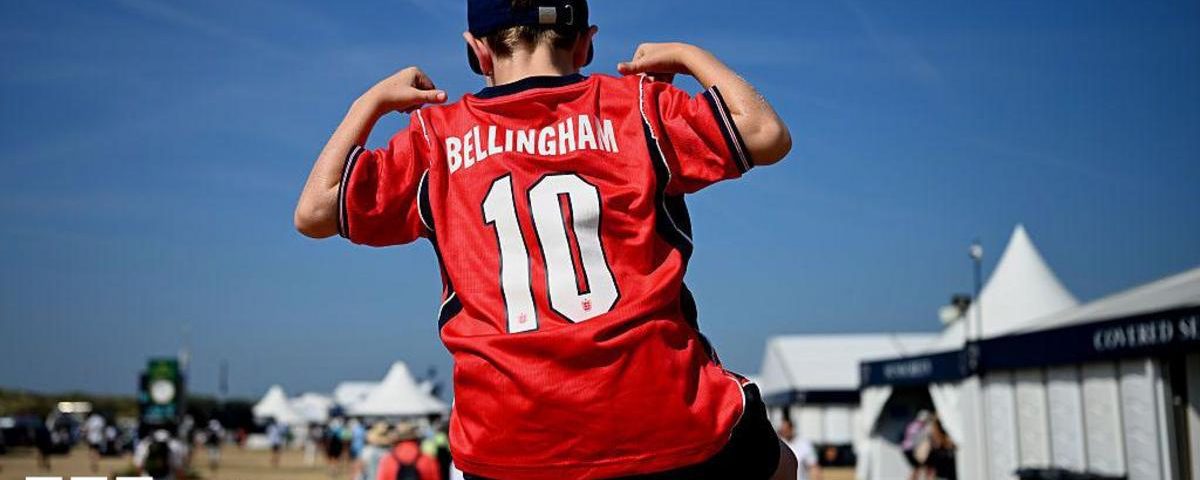
- R&A chief Mark Darbon indicates potential changes to the Open final round timing.
- The decision aims to avoid a scheduling conflict with the World Cup final.
- Historical context shows major championships often adjust to accommodate significant sporting events.
- England's performance could significantly impact viewer interest and attendance at the Open.
- The evolving landscape of sports scheduling highlights the need for flexibility in major events.
Open final round timings As the world turns its eyes to the 2026 World Cup, the Royal & Ancient Golf Club (R&A) is weighing the potential adjustment of the final round timings for The Open Championship. If England secures a spot in the semi-finals, R&A chief Mark Darbon confirmed that a decision regarding this change would be made within the next 48 hours. This nuanced adjustment aims to ensure that golf enthusiasts can enjoy the climax of the major championship without missing the World Cup final, should it coincide.
Sports scheduling has always been a dance of priorities, and this year’s Open Championship, set to be held at Royal Liverpool Golf Club, finds itself at a unique crossroads. The increasing popularity of both golf and soccer in England highlights the need for strategic planning. As fans of both sports align their schedules, the R&A’s responsiveness demonstrates an understanding of the complex dynamics between major sporting events.
In the context of major championships, The Open holds a rich legacy as one of golf’s four esteemed majors. The event has seen legendary players rise to prominence, and its final round often serves as a dramatic conclusion to an intense week of competition. With the current landscape of sports viewership evolving, the R&A’s decision-making process could have lasting implications for how the Open is perceived in relation to other major events, such as the World Cup.
Historical Context of Timing Changes in Major Championships
Historically, major championships have adapted their schedules in response to significant global events. For instance, during the 2016 Olympics, the Open Championship was scheduled with an eye on the Games, which demonstrated the R&A’s willingness to accommodate the broader sporting landscape. The interplay between golf and soccer, two of the most popular sports globally, adds another layer of complexity to this year’s scheduling considerations.
The decision to potentially alter the final round of The Open underscores how intertwined these two sports have become, particularly in England. With golf’s growing audience and the enduring passion for soccer, the R&A must consider the implications of its timing decisions not only on attendance and viewership but also on the overall fan experience.
As we look at the numbers, the Open Championship has historically generated significant viewer engagement. Last year, the final round attracted over 8 million viewers in the UK alone. The average score in the last round often hovers around par, with the top players showcasing elite performances under pressure. The leaderboard frequently features world-class talent, making each conclusion to the tournament a spectacle worthy of attention.
England’s World Cup Aspirations and Its Impact on Golf
Should England progress to the World Cup final, the implications for The Open could be profound. As it stands, the English national team has a solid track record, reaching the semi-finals in recent tournaments. The excitement surrounding a potential final appearance may draw attention away from golf, particularly among casual fans who may find themselves torn between two major spectacles.
Moreover, the performance trends of both sports suggest that heightened interest in one could lead to a decreased focus on the other. For instance, in 2022, when the England soccer team made a deep run in the UEFA Euro Championship, viewership for other sports, including golf, saw a notable dip. This scenario raises questions about the fanbase’s allegiance and how decisions made by organizations like the R&A can accommodate the fervor surrounding national sporting pride.
The flexibility displayed by the R&A reflects a broader trend within sports organizations to remain adaptive and responsive. As sports fans navigate their preferences, the R&A’s decision is not merely about one tournament but about the future of golf’s engagement with a wider audience.
In conclusion, the R&A’s potential changes to The Open’s final round timings could serve as a case study for how sporting events can harmonize their schedules to maximize viewer interest, especially when national pride is at stake. As we await the decision, one thing is certain: the interplay of golf and soccer will continue to shape the landscape of sports in England.
As we consider the broader implications of this potential scheduling change, it’s clear that the R&A is navigating a complex landscape. The intersection of golf and soccer is not just a logistical issue; it represents a cultural moment where the significance of national pride can impact sports engagement. If England reaches the World Cup final, the R&A's decision will likely set a precedent for how major championships approach scheduling conflicts in the future.<br />
The flexibility shown by the R&A could inspire other sporting bodies to reconsider their event timings in light of significant national moments. This responsiveness not only fosters goodwill among fans but also enhances the overall experience of attending or viewing a major event. As we look to the future, we believe that the R&A's decision will resonate beyond this year’s Open, influencing how sports organizations balance their commitments to tradition with the realities of contemporary sporting culture.
Source: Decision on changing Open final round timings to follow England World Cup semi-final
Sports News Plus is a news aggregator. We do not own or claim rights to any images, videos, or source content featured on this site. All images and media are the property of their respective original owners and publishers. Article content is independently written based on publicly available news sources, which are credited and linked throughout. Full disclosure →