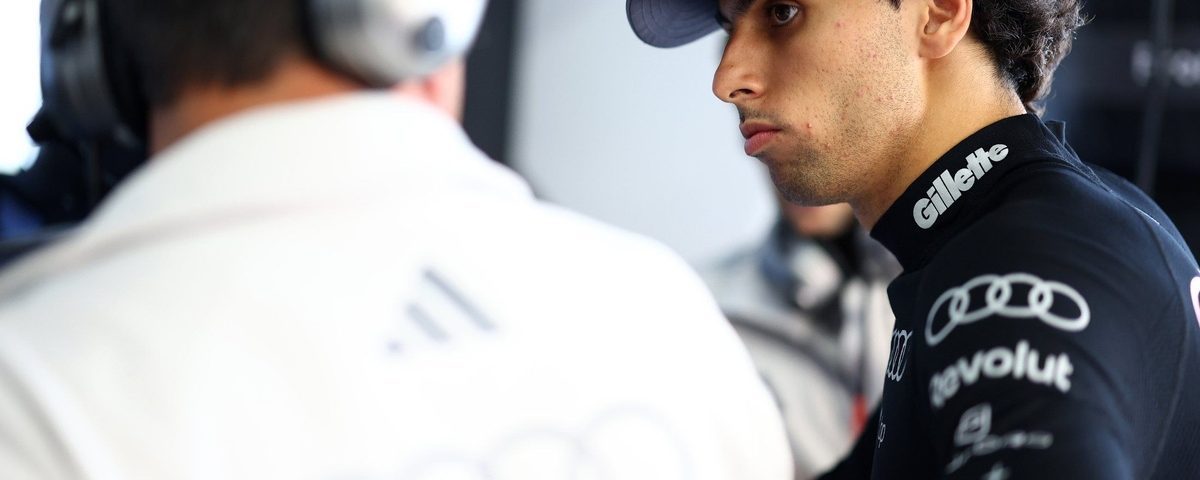
- Gabriel Bortoleto believes Formula 1 retains its allure despite upcoming regulations.
- The 2026 changes aim to enhance competitiveness and sustainability within the sport.
- Drivers' adaptation will be crucial for championship success in the new era.
- The transition period may create unexpected opportunities for emerging talent.
- A focus on collaboration could redefine team strategies as the sport evolves.
In a recent statement, Audi’s Gabriel Bortoleto addressed the growing concerns among drivers regarding the 2026 regulations in Formula 1. Speaking on July 15, 2026, he emphasized the need for competitors to “turn the page” on their grievances, insisting that the essence of the sport remains intact. As the Formula 1 community braces for a significant transition from the current 2022-2025 regulations to the new framework, Bortoleto’s insights shed light on both the challenges and opportunities that lie ahead.
The shift to the 2026 regulations signifies a pivotal moment in Formula 1 history, with changes aimed at increasing sustainability and enhancing competitive fairness. In this context, Bortoleto’s assertion that the sport has not lost its magic is crucial. For fans, the prospect of watching drivers navigate new technical challenges adds excitement and intrigue. However, for the drivers and teams, adjusting to these changes will require a strategic overhaul, both in terms of car dynamics and race tactics.
As teams prepare for the new era, the technical specifications of the cars will undergo a transformation. With a focus on hybrid power units and increased emphasis on sustainable fuel sources, the balance between speed and efficiency will become even more critical. Teams must adapt their design philosophies to maximize performance while adhering to the new regulations. This shift will not only affect how cars are built but also how they are raced, as drivers will need to recalibrate their approaches to both qualifying rounds and race strategies.
Strategic Adaptation: The Tactical Breakdown
Analyzing the implications of the 2026 regulations reveals several tactical dimensions that will be vital for teams aiming for success in the championship. Key battles will emerge not only on the track but also in the development labs, where engineers will strive to optimize the performance of hybrid systems. For instance, the transition from high-downforce cars that excelled in cornering to designs that prioritize aerodynamic efficiency will challenge the established order. Teams with robust engineering capabilities could leverage this to gain a competitive edge.
Moreover, the new regulations may reshape the dynamics of qualifying sessions. With changes to tire specifications and the introduction of new energy management protocols, drivers will need to master a different set of skills to secure optimal grid positions. The ability to adapt quickly to evolving track conditions while managing tire wear will become a decisive factor in race results. Teams that can successfully interpret data and adjust their tactics in real-time will likely see the most significant benefits as the season unfolds.
The preparation for the 2026 season will also necessitate a focus on driver development. With the potential for a deepening talent pool, teams may look to nurture young drivers who can adapt quickly to the new technical challenges. The opportunity for up-and-coming talent to shine in this transitional phase could lead to unexpected championship contenders. Teams must ensure they have the right combination of experienced drivers and fresh talent to navigate the complexities of the new regulations.
Looking Ahead: The Future of Formula 1
As Formula 1 enters this new chapter, the sport’s stakeholders must recognize the importance of collaboration among teams, drivers, and governing bodies. By fostering a spirit of unity, they can ensure that the changes implemented benefit the championship as a whole. Bortoleto’s comments serve as a reminder that while the landscape may be shifting, the core of Formula 1—competition, passion, and innovation—remains unchanged.
The upcoming season will undoubtedly be a test of adaptability and perseverance for all involved. As drivers and teams gear up to embrace the 2026 regulations, they will need to focus not only on their individual performances but also on the collective progress of the sport. This synergy could be the key to unlocking the full potential of Formula 1 in the years to come.
At the SNP editorial desk, we recognize that the transition to the 2026 regulations is more than just a technical shift; it represents a fundamental evolution in the ethos of Formula 1. While Bortoleto's call for drivers to move on from complaints is valid, we believe that addressing these concerns is integral to the sport's future success. If the governing body fails to engage with drivers’ worries, it risks alienating a key stakeholder group that has been pivotal to Formula 1's growth.<br />
Moreover, we suggest that the introduction of new racing formats, possibly including sprint races designed around these new regulations, could further enhance viewer engagement. Exploring innovative race formats may not only captivate fans but also allow teams to showcase their adaptability under the new rules. In this way, we can envision a future where Formula 1 not only retains its charm but also evolves into a more inclusive and dynamic championship.
Source: Bortoleto: F1 hasn't lost its 'magic'; drivers need to "turn the page" on 2026 complaints
Sports News Plus is a news aggregator. We do not own or claim rights to any images, videos, or source content featured on this site. All images and media are the property of their respective original owners and publishers. Article content is independently written based on publicly available news sources, which are credited and linked throughout. Full disclosure →