- Mick Schumacher believes the 2026 F1 regulations need refinement.
- Concerns over safety have arisen following a recent high-impact crash.
- The regulations emphasize a greater use of electric energy.
- Formula 1 CEO Stefano Domenicali is open to adjustments.
- Future improvements could significantly impact championship outcomes.
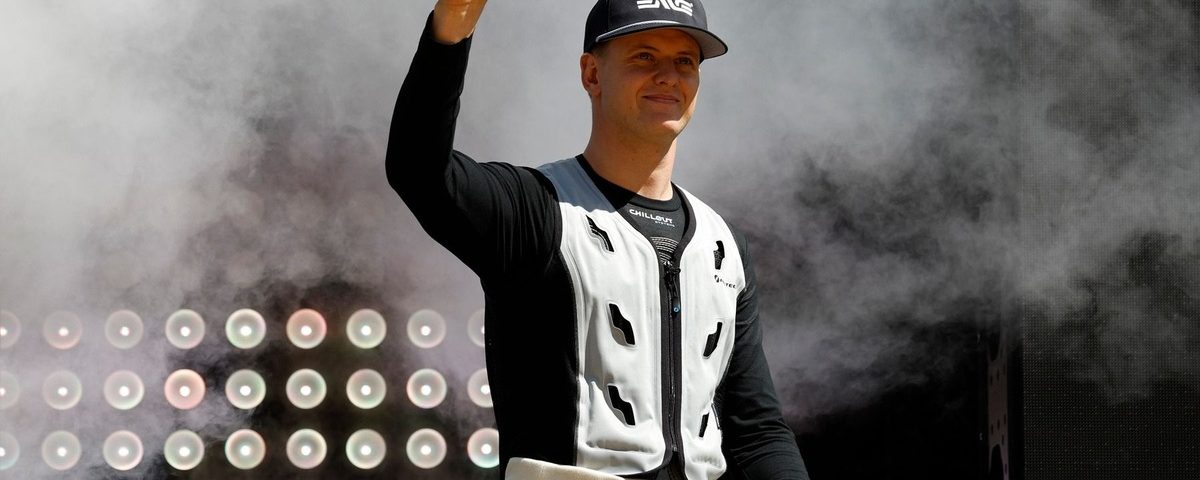
Mick Schumacher, the son of legendary driver Michael Schumacher, recently expressed that Formula 1 “will find a solution” to improve the controversial regulations set to be implemented for the 2026 season. His comments come on April 16, 2026, following a wave of criticism regarding the new rules that will significantly alter the landscape of the sport. With a strong focus on increasing the reliance on electric energy, these regulations aim to align the championship with global sustainability goals, yet they have raised legitimate concerns about safety and performance on the track.
Formula 1: What You Need to Know
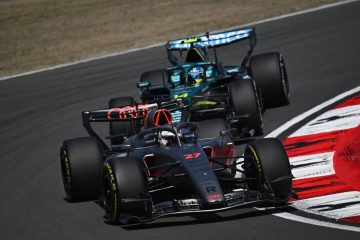
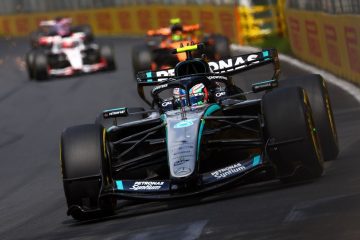
The new regulations have provoked a mixed response from within the paddock and the wider motorsport community. While there is general agreement on the necessity for Formula 1 to embrace a more sustainable future, the transition raises critical questions about the implications for race results and the competitive nature of the championship. The recent crash involving Ollie Bearman, which subjected him to an enormous 50G force, has only intensified the scrutiny surrounding these changes.
As we delve deeper into the implications of these regulations, it’s essential to consider how they might affect qualifying sessions and ultimately the championship standings. With the introduction of more complex power units and a stronger focus on hybrid technologies, teams will need to adapt quickly to maintain competitiveness. This adaptation will not only involve engineering challenges but also strategic planning around race weekends.
The 2026 regulations are not just a minor tweak; they represent a paradigm shift in Formula 1’s approach to racing. The move towards hybrid power units that rely heavily on electric energy sources could redefine race strategies. Teams that can adeptly manage energy deployment and recovery will likely gain a competitive edge. This new emphasis on energy management will undoubtedly add layers of complexity to both qualifying and race strategies.
Analysis & Key Takeaways
Moreover, as we look towards the 2026 season, the potential for increased competition between teams could lead to more dynamic race results. Teams traditionally at the back of the grid may find new opportunities to challenge the front-runners, depending on how well they adapt to these regulatory changes. This possibility aligns with Schumacher’s assertion that solutions will be found; it suggests that F1 is on the cusp of a new era.
The conversation around the 2026 regulations also raises an important question: How will fan engagement evolve alongside these changes? As the sport gravitates toward sustainability, will fans embrace a more eco-conscious Formula 1, or will there be resistance from purists who prefer the traditional combustion engine models? The answer to this question will significantly impact the sport’s future direction.
Furthermore, the current discussions signal a willingness from F1 leadership to remain flexible in its approach. Stefano Domenicali’s openness to tweaking the regulations presents an opportunity for stakeholders to voice their concerns and collaborate on solutions. This proactive stance could foster a more inclusive environment within the sport, ultimately enhancing the championship experience for teams, drivers, and fans alike.
As we move closer to the rollout of these regulations, we must remain vigilant about how they unfold. The potential for safety improvements, especially in light of recent incidents, cannot be understated. The sport’s governing body must prioritize driver safety while also maintaining the competitive integrity of the race results. If executed correctly, the 2026 regulations could usher in a new chapter for Formula 1, one that balances innovation with the thrilling unpredictability that fans have come to love.
In conclusion, while the 2026 regulations present challenges, they also offer exciting opportunities for the championship. As teams prepare for this new era, the focus must be on creating a safer, more competitive environment that embraces the future of motorsport. The feedback from drivers like Mick Schumacher will be invaluable in shaping a successful transition.
In our view, the upcoming regulatory changes are a double-edged sword. On one hand, they represent a necessary evolution towards sustainable racing—something that modern audiences increasingly demand. However, we foresee a potential backlash from fans who may view these changes as a dilution of the sport's essence. The balance between maintaining the thrill of high-speed racing and adopting eco-friendly technologies will be delicate.<br />
As we prepare for the 2026 season, we suggest that Formula 1 must take a proactive approach in communicating these changes to fans. Transparency regarding safety and performance enhancements will be crucial to winning over skeptics. The success of this transition will ultimately hinge on how effectively F1 can blend its rich heritage with the demands of a changing world.
Source: Mick Schumacher says F1 "will find a solution" to improve 2026 regulations
Sports News Plus is a news aggregator. We do not own or claim rights to any images, videos, or source content featured on this site. All images and media are the property of their respective original owners and publishers. Article content is independently written based on publicly available news sources, which are credited and linked throughout. Full disclosure →