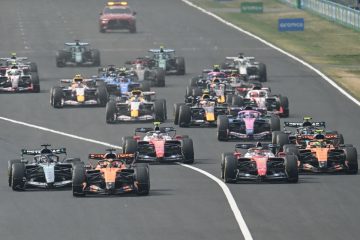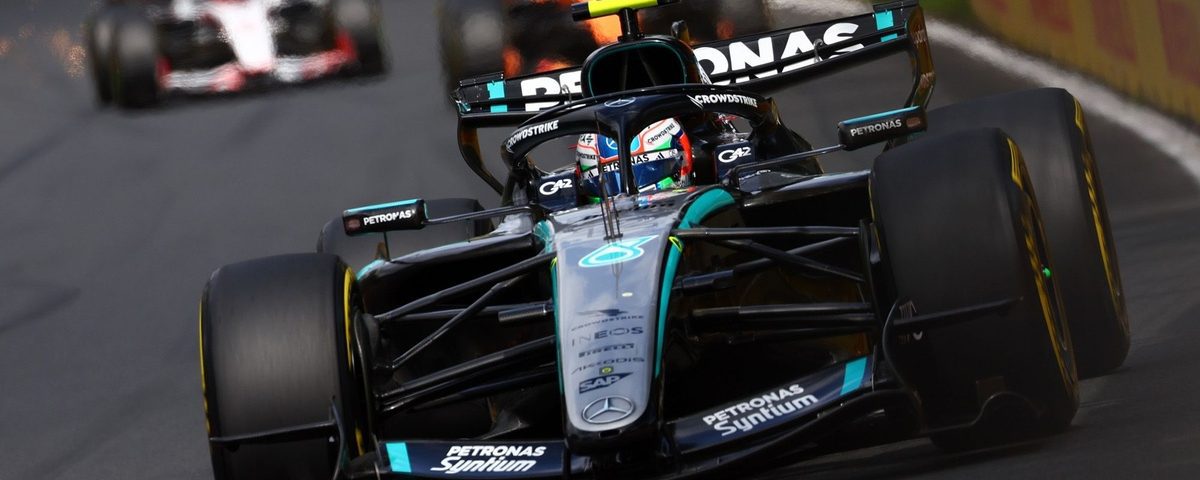
- The cancellation of races has led to a unique analysis opportunity for Formula 1.
- Mercedes is showcasing dominance early in the 2026 championship.
- Team-mate battles are crucial for understanding performance differences.
- The new regulations have diversified the competitiveness among teams.
- Future races will test these new dynamics as the championship unfolds.
Following a disruption in the Formula 1 calendar due to the cancellation of races in Bahrain and Saudi Arabia, we find ourselves entering an extended break after the Japanese Grand Prix. This unusual pause presents an opportunity to dissect the 2026 season’s early races and understand how new regulations are reshaping the competitive landscape of Formula 1. As we delve into the data, we can explore how these changes are influencing race results, team dynamics, and ultimately, the championship standings.
Formula 1: What You Need to Know
The 2026 regulations, which aim to enhance competitiveness and promote sustainable racing, have already begun to show effects. Notably, Mercedes has emerged as a formidable force, demonstrating a remarkable level of performance that echoes their previous dominance in the sport. The team’s ability to adapt to the new regulations while maintaining high performance levels raises questions about the potential for other teams to catch up.
In this season, the battles among team-mates have been particularly telling. The intra-team competition often serves as a microcosm of a team’s overall performance and can significantly influence the championship race. For example, we have seen how drivers within the same team are pushing each other to reach new heights, which can lead to unexpected race results and shakeups in the standings.
The data suggests that the aerodynamic changes introduced in 2026 have affected how teams design their cars and strategize their races. This has resulted in a more diverse field, where teams that were previously at the back of the grid are now finding their footing. As we analyze qualifying sessions and race strategies, it is evident that the adjustments made to the cars have allowed for closer racing and more strategic overtakes, enhancing the overall spectacle of Formula 1.
Analysis & Key Takeaways
As the championship progresses, the extended break will allow teams to recalibrate and strategize. The upcoming races will be pivotal in determining whether Mercedes can maintain their lead or if other teams have found the necessary adjustments to challenge them effectively. This dynamic creates an interesting narrative heading into the second half of the season, as teams will be looking to capitalize on any weaknesses that arise.
Furthermore, the impact of these regulations extends beyond just the current championship standings. The new rules have implications for the future of Formula 1, influencing how teams will approach car development and race strategy in subsequent seasons. The emphasis on sustainability and performance balance is expected to shape the trajectory of the sport, ensuring that teams remain competitive while also adhering to environmental standards.
In analyzing the 2026 season, it is essential to consider the broader implications of these regulations. While Mercedes may appear dominant now, history shows us that the ebb and flow of Formula 1 can lead to rapid changes in fortunes. As teams continue to develop their cars and adapt to the new regulations, we can anticipate a thrilling contest that may redefine our understanding of competitiveness in Formula 1.
The extended break will also serve as a crucial time for reflection and strategy re-evaluation. Teams that can leverage this time effectively by analyzing data from the first races and developing innovative solutions will have a significant advantage as the championship progresses. The teams that thrive in this environment will likely be those that can adapt quickly and incorporate new technologies and strategies that align with the evolving nature of Formula 1.
As we look forward to the next races, this season promises to be one of the most competitive and intriguing in recent history. The interplay between regulations, team performance, and driver skill will be fascinating to watch, and the outcomes will undoubtedly shape the future of Formula 1 for seasons to come.
At the SNP editorial desk, we believe that the 2026 season is not just a reset for Formula 1 but a pivotal moment that could redefine the sport’s dynamics. The introduction of new regulations has already leveled the playing field to a certain extent, but as we’ve seen in previous seasons, adaptation is key. Teams that can innovate and respond effectively to these changes will likely determine the championship race.<br />
Moreover, while Mercedes is currently in a position of strength, their historical dominance does not guarantee future success. We’ve witnessed dramatic twists in Formula 1 when teams that appeared invincible lost their edge—often due to strategic errors or failure to adapt to new conditions. As the season progresses, we are keenly watching which teams will rise to the challenge and whether the competitive balance will shift as the regulations continue to take effect.
Source: F1’s 2026 reset spreads field out to its widest since 2017
Sports News Plus is a news aggregator. We do not own or claim rights to any images, videos, or source content featured on this site. All images and media are the property of their respective original owners and publishers. Article content is independently written based on publicly available news sources, which are credited and linked throughout. Full disclosure →