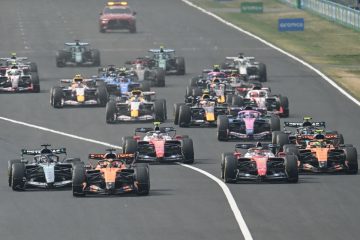
- Reserve drivers play a crucial role in shaping team strategy in Formula 1.
- Their responsibilities include extensive simulation work and data analysis.
- Fans are debating the importance of reserve drivers in the championship race.
- Social media reactions highlight a mix of admiration and skepticism about the role.
- The growing significance of reserve drivers could impact future Formula 1 seasons.
Formula 1 reserve drivers In the high-stakes world of Formula 1, reserve drivers often find themselves in the shadows of their more celebrated teammates. Recently, former Formula E driver Sam Bird, who has experience as a reserve driver for the Mercedes F1 team, shared insights into the demanding realities of this role. Bird’s comments come at a time when the racing community is focusing on the pivotal contributions of these drivers, especially as teams gear up for critical races in the championship season.
Bird explained that the role of a reserve driver is not merely a waiting game. Instead, it involves rigorous preparation through simulation techniques both before and after races. This aspect is crucial, as reserve drivers must ensure they are ready to step in at a moment’s notice. Their work often includes analyzing data from practice sessions, contributing to car development, and even participating in simulator sessions to help optimize the vehicle’s performance. These responsibilities are vital to the race team’s overall strategy and execution, directly influencing race results.
As the F1 championship progresses through 2026, the importance of reserve drivers becomes ever more apparent. When a primary driver faces challenges—be it due to injury, car issues, or even performance dips—the reserve driver must be ready to adapt quickly. This has sparked discussions among fans and analysts alike: just how significant is the contribution of reserve drivers to their teams’ success in the championship?
Fan Reactions: A Mixed Bag
The revelation of the intense work reserve drivers undertake has sent ripples through the F1 fan base. On social media platforms, fans are engaging in debates about the necessity and impact of these drivers on their teams’ fortunes. While some supporters express newfound respect for the role, praising the dedication and skill required, others remain skeptical. They question whether reserve drivers truly affect championship standings or if their efforts are overshadowed by the star power of race-day drivers.
Discussion threads on forums like Reddit and Twitter have illuminated a divide in sentiment. Some fans argue that reserve drivers are crucial for maintaining continuity within a team, especially during tight championship battles. Others counter that the spotlight should remain on the primary drivers, who ultimately determine the race results. Such debates reflect the broader dynamics of Formula 1, where every detail counts, and the contribution of each team member, including reserve drivers, can shift the course of a season.
As the F1 community digests Bird’s insights, it becomes clear that the role of reserve drivers may evolve. With the increasing competitiveness of the championship, teams might rely more on these drivers to provide critical support and insights, potentially leading to a richer narrative around their contributions in the future.
The Evolving Landscape of Formula 1
Looking forward, the role of reserve drivers in Formula 1 could take on greater significance. As teams strive for every possible advantage in a competitive landscape, the expectation for reserve drivers to deliver high-stakes results is growing. This shift could lead teams to invest more in their reserve drivers, offering them more opportunities to participate in testing and development sessions.
The implications for the championship are profound. In a sport where the margins are often razor-thin, having a capable reserve driver could be the difference between clinching the title and falling short. As fans continue to engage with these discussions, the narrative surrounding reserve drivers is poised to become an integral part of Formula 1 storytelling.
In conclusion, Sam Bird’s revelations should not be viewed merely as an insider’s perspective but rather as a signal of changing tides within the sport. Reserve drivers are no longer just backup options; they are essential pieces of the championship puzzle. As the 2026 season unfolds, the spotlight on these drivers will likely intensify, shaping fans’ expectations and team strategies alike.
In our view, the emergence of reserve drivers as pivotal figures in Formula 1 is a narrative that deserves more attention. While primary drivers capture the limelight, the intricate work done behind the scenes by reserve drivers could significantly influence race outcomes. The strategic depth they add to team operations cannot be overstated, especially in a sport where every second counts.<br />
Moreover, this growing recognition of reserve drivers could lead to heightened competition for these roles. Teams might begin scouting young talent not just for their driving skills but also for their ability to contribute to simulations and data analysis. We expect that as this trend continues, the dynamics of team composition in Formula 1 will shift, with reserve drivers becoming essential players in the championship narrative.
Source: Sam Bird reveals what Formula 1 reserve drivers actually do behind the scenes
Sports News Plus is a news aggregator. We do not own or claim rights to any images, videos, or source content featured on this site. All images and media are the property of their respective original owners and publishers. Article content is independently written based on publicly available news sources, which are credited and linked throughout. Full disclosure →