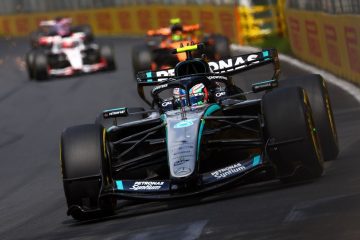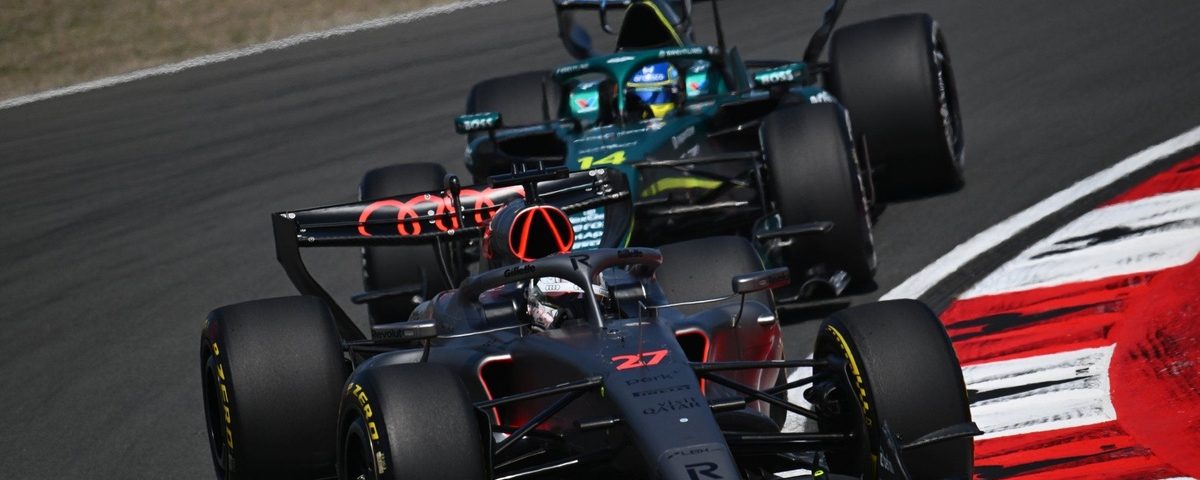
- Stefano Domenicali stresses the importance of deciding on new F1 engine regulations this year.
- The push for lighter and simpler engines aligns with FIA president Mohammed Ben Sulayem’s vision.
- Stakeholders previously met to discuss the future of engine formulas in the sport.
- Simplified power units could lead to cost reductions for teams in the championship.
- The decision on engine regulations will impact competitive dynamics and race strategies moving forward.
Formula 1 engine regulations In a significant development for the motorsport world, Formula 1 CEO and president Stefano Domenicali has called for a swift resolution regarding the future of engine regulations in the series. Speaking on April 16, 2026, he highlighted the necessity for all stakeholders to reach a consensus on a new power unit formula within the current calendar year. This initiative is particularly noteworthy as it follows the recent statements from FIA president Mohammed Ben Sulayem, who has expressed a desire for the sport to transition towards simpler and more cost-effective power units. Such a shift could have profound implications for the competition and the overall championship landscape.
The timing of this conversation is crucial. As the 2026 championship season approaches, teams are gearing up for a new era in Formula 1, one that may be defined not only by the cars themselves but also by the regulations that govern their performance. The ongoing discussions among F1 stakeholders are aimed at ensuring that the series remains relevant in a rapidly evolving automotive landscape, where sustainability and efficiency are becoming top priorities.
The current engine regulations, which have been in place for several years, have led to incredible technological advancements but have also resulted in rising costs for teams. Domenicali’s push for a lighter and simpler engine points towards an attempt to make the sport more accessible for smaller teams, potentially leveling the playing field in the championship. The involvement of the FIA in these discussions underscores a collective effort to rethink the future of Formula 1, which could ultimately enhance the spectacle of racing.
The Case for Simplicity in Power Units
The rationale behind moving towards simpler power units is multifaceted. First and foremost, the complex hybrid engines currently in use are both costly to develop and maintain. Teams have invested heavily in the technology, but this has resulted in an arms race that may be unsustainable for many participants. By shifting to a simpler design, Formula 1 could attract new teams and sponsors, thereby increasing the overall viability of the championship.
Moreover, simplification could lead to a more exciting racing product. With less complexity in the engines, teams might focus more on driver skill and strategy during qualifying and race day, rather than solely relying on technological advantages. The potential for closer racing could reinvigorate fan interest and engagement, making it crucial for F1 to strike the right balance between innovation and accessibility.
Tactical Breakdown: Impact on Teams and Race Strategy
The strategic implications of a shift to simplified engines cannot be overlooked. Teams will need to adapt their race strategies, qualifying approaches, and overall car designs if the new engine regulations are implemented. With lighter engines, teams may find opportunities to optimize their aerodynamics and chassis designs, potentially leading to faster lap times and more dynamic race results.
Furthermore, the competitive landscape of the championship could see a significant shake-up. Teams that have invested heavily in hybrid technology may face challenges in adapting to the new formula, while those that have been more conservative in their spending could find themselves better positioned to capitalize on the changes. This reshuffling of competitive dynamics adds an exciting layer to the championship storyline as teams begin to prepare for the upcoming season.
The decision-making process surrounding these engine regulations will also be closely monitored by fans and experts alike. The timeline for implementation will require teams to adapt quickly, potentially affecting their performance in the initial races of the 2026 season. As we look ahead, the outcome of these discussions will undoubtedly shape not only the technological direction of Formula 1 but also the competitive narratives that unfold throughout the championship.
At our editorial desk, we believe that Domenicali’s push for a decision on F1 engine regulations reflects a broader trend in motorsport towards sustainability and cost-efficiency. As teams grapple with rising costs, a shift to simpler engines could serve as a catalyst for innovation rather than a barrier. In our view, the engagement of all stakeholders is crucial to ensure that the new regulations do not stifle competition but instead promote it.<br />
Looking ahead, the potential for increased excitement in races due to closer competition cannot be overstated. If implemented effectively, these changes could usher in a new era for Formula 1, one where driver skill, tactics, and team strategy take center stage, rather than mere technological prowess. Moreover, the implications of these decisions may extend beyond the track, influencing how fans perceive the sport and engage with it in the coming years.
Source: Domenicali: F1 'needs to decide' on the next engine regulations this year
Sports News Plus is a news aggregator. We do not own or claim rights to any images, videos, or source content featured on this site. All images and media are the property of their respective original owners and publishers. Article content is independently written based on publicly available news sources, which are credited and linked throughout. Full disclosure →