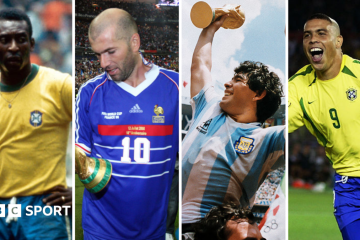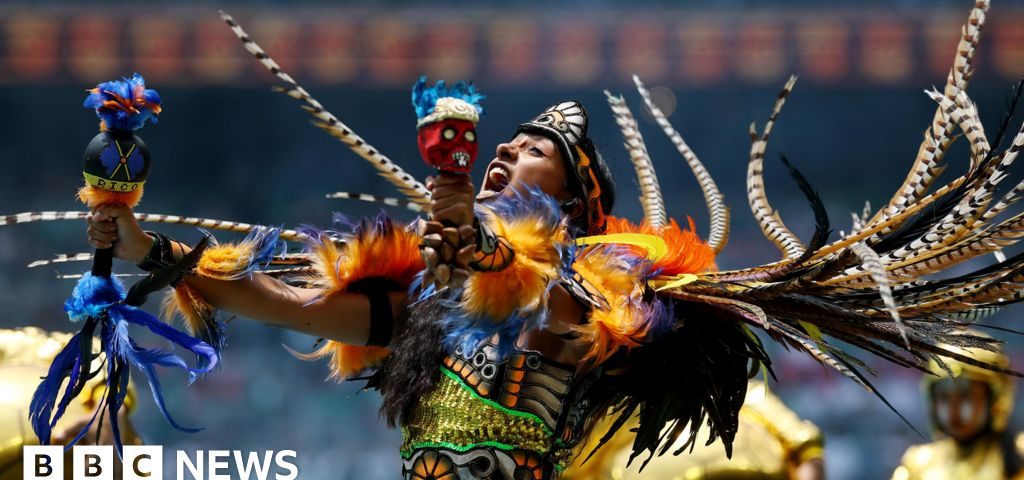
- The 2026 World Cup opened on June 11 in Mexico, featuring a dynamic ceremony.
- Shakira's performance highlighted the cultural celebration even amid protests.
- Historical attendance records and TV ratings for the World Cup are expected to be broken this year.
- Protests around the Azteca Stadium reflect ongoing socio-economic issues in Mexico.
- The tournament's global reach will influence future transfers and player valuations in the Premier League.
World Cup 2026 The 2026 FIFA World Cup officially kicked off on June 11, 2026, in Mexico, marking a significant milestone in global football. The event, which has attracted attention worldwide, featured a star-studded opening ceremony headlined by pop sensation Shakira. While the atmosphere inside the stadium was electric, outside the Azteca Stadium, protests erupted, highlighting the socio-economic issues facing Mexico. This duality of celebration and dissent sets the stage for a World Cup that is as much about football as it is about cultural identity and social justice.
World Cup 2026: What You Need to Know
As fans poured into the historic Azteca Stadium, the excitement was palpable. Shakira’s performance was a highlight, seamlessly blending music and national pride. However, the sporadic clashes between police and protesters reminded onlookers that not all is well in the host nation. The protests were largely centered around demands for better economic conditions and transparency from local governments. This complex backdrop of vibrant culture and social unrest adds an intriguing layer to the tournament.
By the Numbers
To understand the significance of the 2026 World Cup, we look at some key statistics that provide context. Historically, the World Cup has been a massive draw for both attendance and television ratings. The 2018 World Cup in Russia saw an average of 3.5 billion viewers—a testament to football’s global appeal. With Mexico’s rich footballing history, expectations are high that this year’s tournament will surpass even those numbers.
In terms of match results, previous World Cups have seen an average of 2.6 goals per game. With increasing attacking prowess in modern football, we may see that number rise in the 2026 tournament. Moreover, the tournament will not only affect national teams but also have ramifications for club football, particularly in Europe’s Premier League. Players making a mark on the world stage often see their transfer values skyrocket, impacting future recruitment strategies for clubs.
Analysis & Key Takeaways
The World Cup has also been a platform for emerging talent. Historical records show that players who excel in this tournament often become household names. This trend can influence transfer activity as clubs scramble to secure standout players. As such, clubs in the Premier League may be closely monitoring the tournament, assessing potential signings that could enhance their squads.
Social Impact of the Tournament
The protests around the opening ceremony of the World Cup are indicative of deeper issues within Mexican society. While the tournament brings economic opportunities, it also raises questions about who benefits from such a high-profile event. Issues such as displacement, security, and economic disparity have been highlighted by activists, urging spectators and participants to consider the broader implications of a global event hosted in a nation grappling with its own challenges.
As the tournament progresses, it will be essential to see how these issues are addressed and if they receive the attention they deserve on such an international stage. Football often reflects societal dynamics, and the World Cup could become a catalyst for change, prompting discussions beyond the pitch.
Expectations for the Tournament
The 2026 World Cup is anticipated to be a groundbreaking event in terms of attendance and engagement. With expanded formats allowing for more teams and matches, we can expect to see a surge in fan participation—both in stadiums and through digital platforms. This increased interaction will likely result in record-breaking attendance figures, further solidifying the World Cup’s place as the pinnacle of international football.
As we look ahead, it’s crucial to consider how the outcomes of this World Cup might influence player transfers and club strategies in leagues around the world, particularly in the Premier League. With clubs eyeing young talents and seasoned professionals alike, the performance of players on this grand stage could reshape the landscape of football for years to come.
At the SNP editorial desk, we recognize that the World Cup is not just a football tournament; it is a cultural phenomenon that resonates with millions. The juxtaposition of celebration and protest surrounding the event serves as a reminder that sports can be a powerful vehicle for social change. As fans rally behind their teams, it presents an opportunity for discussions about equity, justice, and the responsibilities of hosting such a globally impactful event.<br />
Looking ahead, we anticipate that the World Cup will not only captivate audiences but also lead to significant shifts in player valuations in the Premier League. Clubs will likely utilize this tournament as a scouting ground, identifying players who can make an immediate impact. In this sense, the World Cup acts as a double-edged sword: while it showcases the beauty of the game, it also underlines the commercial pressures that define modern football.
Source: World Cup kicks off in Mexico with Shakira, dancing, and protests
Sports News Plus is a news aggregator. We do not own or claim rights to any images, videos, or source content featured on this site. All images and media are the property of their respective original owners and publishers. Article content is independently written based on publicly available news sources, which are credited and linked throughout. Full disclosure →