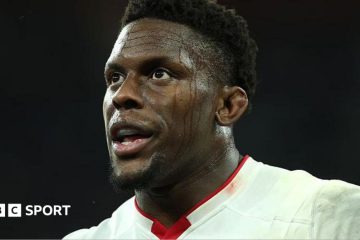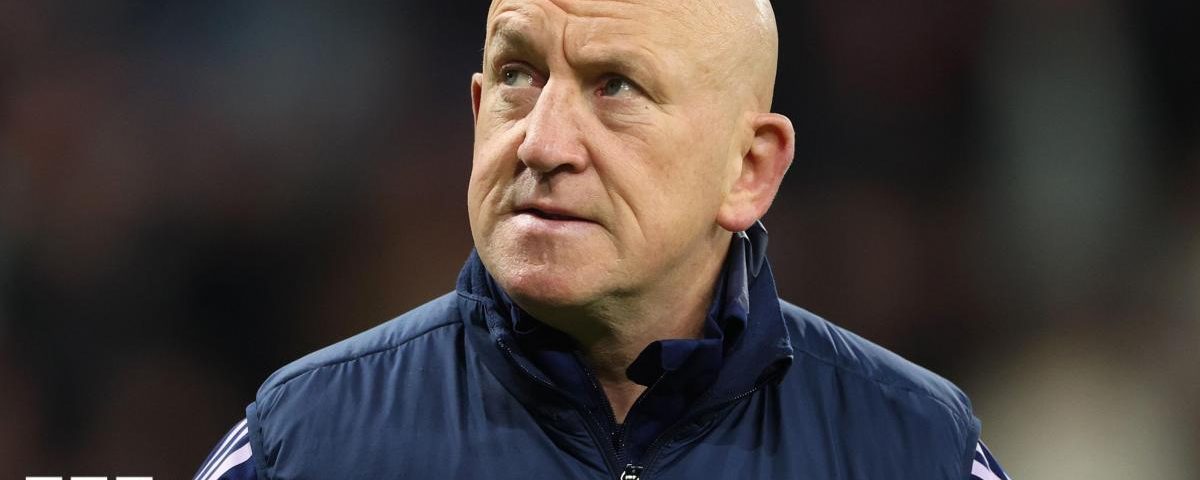
- Shaun Edwards is in talks to leave the French national rugby team after nearly seven years.
- His departure could significantly alter France's defensive strategies in upcoming competitions.
- Edwards has been a key architect of France's resurgence in international rugby.
- The timing of his potential exit coincides with critical preparations for the Six Nations.
- France may need to rethink their tactical approach if they want to maintain their competitive edge.
Six Nations Shaun Edwards, the esteemed defensive coach of the French national rugby team, is reportedly negotiating his exit from the organization after a successful tenure lasting nearly seven years. His contributions have been integral to the French team’s recent successes, particularly in the context of their performance in the Six Nations and beyond. With the negotiations taking place as of June 11, 2026, the rugby world is left speculating about the implications of his potential departure on France’s upcoming campaigns, particularly in the Six Nations.
Edwards has been credited with transforming France’s defense into one of the most formidable in international rugby. His understanding of game dynamics, player psychology, and defensive structures has led to significant improvements in the team’s overall performance. Under his guidance, France not only became a strong contender in the Six Nations but also demonstrated their capabilities on the global stage, including impressive outings in World Cup tournaments.
As we look ahead to the Six Nations, Edwards’ exit raises immediate questions about France’s strategic direction. The competition is known for its intensity and tactical nuances, where each match can pivot on a single try or penalty. With such a pivotal figure potentially leaving, France must quickly strategize how to fill the tactical void left by Edwards.
Tactical Breakdown: The Defensive Paradigm Shift
In rugby, defense is often the cornerstone of a successful team. Edwards’ tactical approach has been characterized by his focus on an organized defensive line and the ability to read the game. His methods emphasized aggressive tackling, strategic pressure on the opposition, and the ability to disrupt attacking plays.
The key battles in the Six Nations often revolve around set pieces and territorial gains. Edwards’ strategies would typically involve positioning players to contest for the ball aggressively, particularly during scrums and lineouts. If Edwards were to depart, France may struggle to maintain this intensity without a coach who shares his vision and expertise.
Moreover, the absence of a strong defensive strategy could create vulnerabilities against teams with potent attacking threats, like England and Ireland, whose offensive plays are designed to exploit defensive lapses. The tactical gap left by Edwards could lead to a more reactive rather than proactive defensive stance, which would be detrimental in high-stakes matches.
Going into the Six Nations, France must consider who could potentially step into Edwards’ shoes. The right successor will need to not only understand but also enhance the existing framework Edwards developed. They will need to maintain the cohesive defensive unit that has become synonymous with French rugby in recent years, ensuring that the team remains competitive.
Looking to the Future: Who Will Fill the Void?
As France embarks on a new chapter, the search for Edwards’ successor may prove challenging. Potential candidates must possess a deep understanding of international rugby dynamics and the ability to adapt strategies to the evolving game. The next coach will need to cultivate talents like the emerging stars in the French squad while ensuring that the defensive philosophy remains intact.
The implications of this transition extend beyond just tactical adjustments. Edwards’ impact on team morale and player development cannot be understated. His departure might create uncertainty among the players, who have thrived under his mentorship. A rapid transition could lead to inconsistencies both on the training pitch and during match days.
Moreover, with the Six Nations looming, France cannot afford a period of adjustment that hampers their performance. They will need to hit the ground running, especially with teams like England and Wales also ramping up their preparations. The ability to adapt quickly to change will be essential if France aims to continue their trend of competitive excellence in this prestigious tournament.
As discussions about Edwards’ exit continue, the rugby community will be closely watching how France navigates this significant transition. The Six Nations is not just a tournament; it is a battleground for pride and prestige, and France will be aiming to reclaim their position as one of the elite teams in the world.
In our view, Shaun Edwards' potential exit from the French national team could catalyze a profound transformation within the squad. While change is often necessary in sports, the timing is critical. With the Six Nations approaching, France may find themselves in a precarious position. Edwards has instilled a strong defensive identity, and losing that could mean a shift in focus that jeopardizes their competitive edge.<br />
We believe that France must act swiftly to identify and appoint a successor who not only understands the intricacies of Edwards' systems but can also inject fresh ideas. This could be an opportunity for the French rugby federation to bring in a visionary coach who might elevate the team's performance even further. However, the pressure is on to ensure that the new direction does not disrupt the current momentum as they prepare for one of the most challenging tournaments in world rugby.
Source: Defence coach Edwards negotiating France exit
Sports News Plus is a news aggregator. We do not own or claim rights to any images, videos, or source content featured on this site. All images and media are the property of their respective original owners and publishers. Article content is independently written based on publicly available news sources, which are credited and linked throughout. Full disclosure →