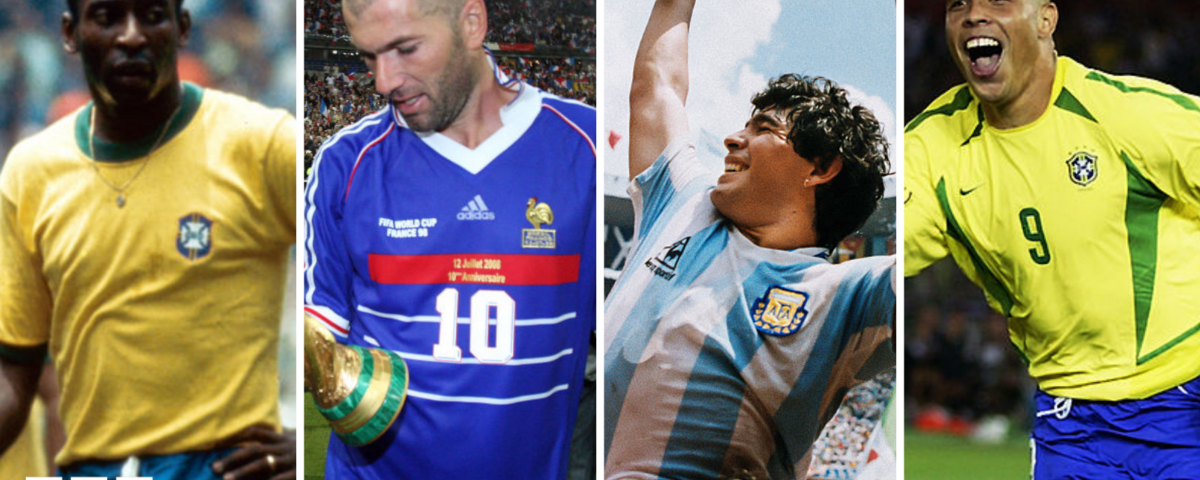
- The debate on who ranks among the top World Cup legends is heating up.
- Fans' sentiments are divided, reflecting loyalty to club teams and national pride.
- Social media is buzzing with discussions about historical performances and legacy.
- The impact of these rankings resonates beyond nostalgia, influencing future players.
- This ongoing dialogue highlights the evolving nature of football fandom and identity.
The debate surrounding the greatest World Cup legends has reignited, particularly as Lionel Messi continues to rise in prominence among football’s all-time greats. Published on June 11, 2026, a recent ranking attempts to identify the top 10 World Cup legends, comparing the likes of Messi, Diego Maradona, and Pelé. This ongoing conversation not only showcases the historical significance of these athletes but also reflects the current dynamics of fan engagement in the sport.
Supporters across the globe are reacting passionately to these discussions, particularly on social media platforms where hashtags such as #WorldCupLegends and #MessiVsMaradona have taken over timelines. The fervor of fans is palpable as they engage in spirited debates about what defines a football legend. Is it the number of goals scored? The impact on their national teams? Or perhaps the memorable moments etched in World Cup history?
As fans dissect these rankings, their responses also reveal deeper insights into their own football allegiances. For instance, supporters of the Argentina national team have rallied around Messi, especially after his pivotal role in Argentina’s success in the previous World Cup. Conversely, Brazilian fans staunchly defend Pelé’s legacy, arguing that his three World Cup victories set an unparalleled standard. This clash of opinions is not merely about nostalgia; it is about national pride and identity that is often intertwined with club loyalties in domestic leagues like the Premier League.
When discussing match results, fans often draw parallels between current Premier League performances and past World Cup achievements. The transfer window buzzes with speculation, especially as clubs are keen on acquiring players who can replicate the kind of legendary performances seen in World Cups. For example, if a player demonstrates brilliance on the world stage, Premier League teams are increasingly likely to make moves to secure their talents, hoping for a repeat of those magical moments in their own domestic competitions.
Social media sentiment analysis indicates that the current discourse is heavily charged, with many fans not only defending their icons but also questioning how these rankings may affect their teams’ seasons. Fans of clubs like Manchester United or Liverpool are quick to reference their own club legends while debating the historical significance of World Cup players. This blending of club and country pride highlights how deeply football fandom is rooted in personal and collective identity.
The Impact of Historical Context on Modern Fandom
The context in which these legends played significantly shapes the current debate. For instance, Pelé’s achievements in the 1958, 1962, and 1970 World Cups not only showcased his extraordinary talent but also represented a different era of football—one that many fans reminisce about fondly. Maradona’s iconic “Hand of God” goal in the 1986 World Cup has become a cultural touchstone, symbolizing both genius and controversy in equal measure.
As Messi cements his place in the conversation, what does this mean for the future of football? The rankings may shift as new generations of players emerge. Young footballers today grow up idolizing the likes of Messi and Ronaldo, often overshadowing earlier legends. This could potentially lead to a more fragmented understanding of football history, where the legends of the past are relegated to a secondary status in discussions dominated by current stars.
Additionally, the emphasis on social media as a platform for debate has transformed how fans engage with football history. Historical performances are now scrutinized through the lens of highlight reels and viral moments, which can sometimes distort the narrative. Fans may be more inclined to support their contemporary heroes, often at the expense of acknowledging the legacies of past greats. Thus, the richness of football history could risk being diluted by the immediacy of the present.
What Lies Ahead for World Cup Legends?
As the 2026 World Cup approaches, the conversation surrounding these legends is only set to intensify. The anticipation of new players potentially etching their names in history will fuel further debate over the greatest of all time. Fans will remain divided, passionately defending their favorites while simultaneously evaluating how current legends may eventually be ranked.
This ongoing dialogue isn’t just about nostalgia; it’s an exploration of what football means to fans. The impact of these legends transcends mere statistics; they embody the spirit of competition, national pride, and the beautiful game itself. As we look ahead, the legacy of these icons will continue to influence soccer’s future, shaping both the players who aspire to greatness and the fans who celebrate their achievements.
At our editorial desk, we recognize that the debate over World Cup legends offers more than just a nostalgic look back at football's glorious past; it represents a crucial intersection of history, fandom, and identity. As Messi continues to collect accolades, his place alongside legends like Maradona and Pelé will spark new discussions regarding the evolution of player legacies. While traditionalists may cling to the achievements of past greats, we see an exciting opportunity to redefine what greatness means in modern football.<br />
Moreover, the emotional investment of fans demonstrates that football is as much about community as it is about individual brilliance. The passionate reactions from fans reflect their commitment to both national pride and club loyalty, which often complicates the evaluation of greatness. As we enter a new era of football, it is essential to appreciate these dialogues, as they enrich our understanding of the sport and its storied history.
Source: Messi, Maradona or Pele? Ranking the top 10 World Cup legends
Sports News Plus is a news aggregator. We do not own or claim rights to any images, videos, or source content featured on this site. All images and media are the property of their respective original owners and publishers. Article content is independently written based on publicly available news sources, which are credited and linked throughout. Full disclosure →