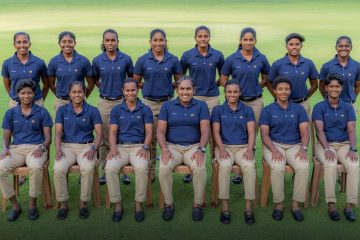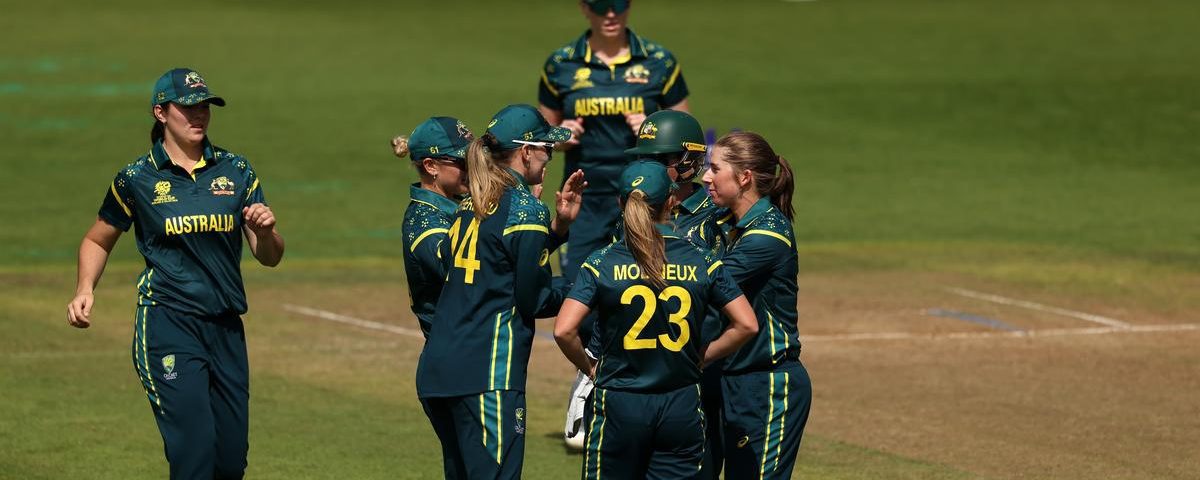
- The Women’s T20 World Cup 2026 is set to open in Birmingham, with Australia as top contenders.
- Historical trends show that pre-tournament favorites often face unexpected challenges.
- The evolution of women's cricket has seen a marked shift in competitive balance.
- Past tournaments have indicated that early victories can set the tone for success.
- The BCCI's support for women's cricket is pivotal for India's ambitions in future World Cups.
The Women’s T20 World Cup 2026 is set to commence on June 12, 2026, in Birmingham, England, with the Australian women’s cricket team entering as the favorites for the title. As the tournament unfolds, all eyes will be on the opening match between England and Sri Lanka, a clash that promises to kickstart a month of thrilling T20 action. The women’s game has seen tremendous growth in recent years, and the current landscape reflects a more competitive balance among the participating nations.
Women’s T20 World Cup: What You Need to Know
In analyzing the significance of this year’s tournament, it’s essential to reflect on the historical context of women’s cricket. The Women’s T20 World Cup has evolved significantly since its inception, and the narratives it has produced often serve as a mirror to societal changes and the development of the sport itself. Historical tournaments have often been marked by surprises, with underdogs toppling giants and showcasing the unpredictable nature of T20 cricket.
Over the years, the format has allowed teams to harness their strengths quickly, leading to some of the most memorable moments in cricket history. For instance, in the inaugural Women’s T20 World Cup in 2009, England shocked the cricketing world by beating New Zealand in the final, a match that not only highlighted England’s skill but also marked the beginning of a new era for women’s cricket. This tournament laid the groundwork for future events and propelled women’s cricket into the limelight.
Fast forward to 2018, and we witnessed the emergence of new powerhouses in women’s cricket, with Australia winning their fourth title. Their dominance in the ODI series and test matches, combined with their exceptional batting depth and skill in taking wickets, solidified their status as a cricketing juggernaut. Their past performances set a benchmark for what is expected this time around, but history tells us that the favorites often encounter fierce competition, particularly from teams that have made significant strides in development.
Analysis & Key Takeaways
The 2026 tournament is unique in that it comes at a time when the dynamics of women’s cricket are shifting. The Board of Control for Cricket in India (BCCI) has increased its focus on developing the women’s game, which has resulted in a more robust Indian squad. As we look at the current players, India boasts a mix of experience and youth that could disrupt the traditional power structure. The rivalry between Australia and India has grown tremendously, leading us to believe that this tournament could be the stage for a new chapter in their storied competition.
Historical trends also suggest that early momentum can play a crucial role in a team’s success. When England won their first World Cup in 2009, they did so after a crucial victory in their opening match. This kind of psychological advantage can be monumental in a tournament format, where every match builds towards the ultimate goal. As we prepare for the matches ahead, understanding the historical significance of these moments will be critical for teams looking to capitalize on their early successes.
Looking ahead, the implications of the 2026 Women’s T20 World Cup extend beyond just the matches played. The tournament will serve as a critical indicator of the evolving landscape of women’s cricket globally. It offers a platform for emerging nations to showcase their talent and can inspire future generations of female cricketers. The focus on batting prowess, wicket-taking abilities, and strategic gameplay will undoubtedly attract attention, ultimately strengthening the sport’s appeal.
As we gear up for the action in Birmingham, the historical context of the Women’s T20 World Cup and past cricket moments provide a rich backdrop to the forthcoming matches. The 2026 edition is not just another tournament; it’s a pivotal moment in the ongoing journey of women’s cricket, a journey that continues to surprise and inspire.
As we delve into the Women's T20 World Cup 2026, we can’t help but reflect on the tournament's transformative role in the sport. The historical context enriches our understanding of how far women's cricket has come and where it might be headed. While Australia remains the team to beat, the evolving competition landscape suggests that surprises are likely.<br />
The BCCI's growing investment in women's cricket could be a game-changer. If India can leverage the momentum built from domestic leagues and international series, they may very well disrupt the traditional powerhouses. Our view is that the next few weeks will not only showcase the skills of the players but also highlight how competitive this tournament has become, propelling women's cricket into a new era of global recognition.
Source: Women’s T20 World Cup 2026 arrives bearing reminders of a changed world order
Sports News Plus is a news aggregator. We do not own or claim rights to any images, videos, or source content featured on this site. All images and media are the property of their respective original owners and publishers. Article content is independently written based on publicly available news sources, which are credited and linked throughout. Full disclosure →