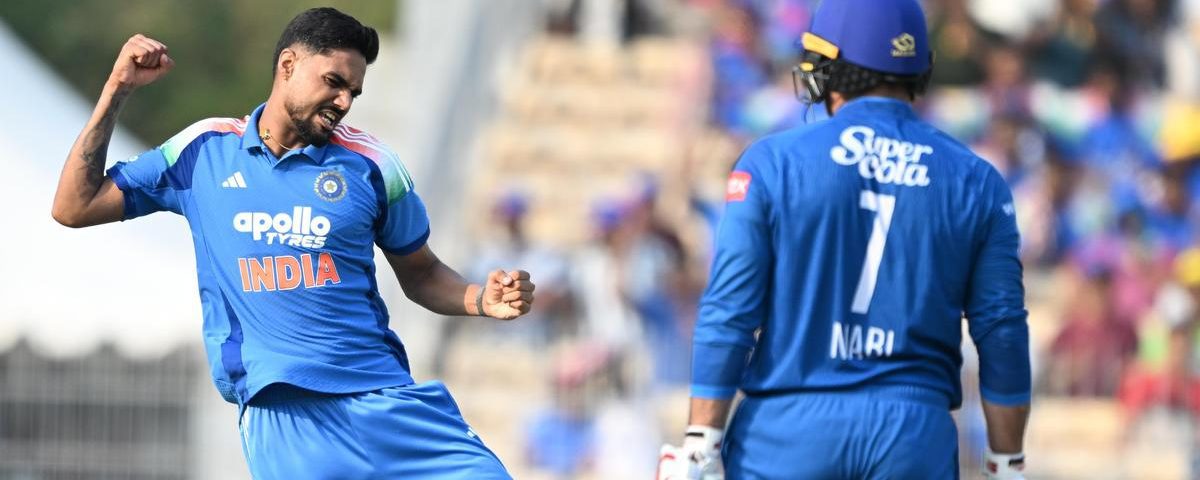
- India’s pace reserves, including Gurnoor Brar and Prince Yadav, are being developed with the 2027 World Cup in mind.
- Harshit Rana plays a crucial role in India’s ODI setup, adding depth to the bowling lineup.
- Historical data shows that teams with strong fast-bowling units often succeed in World Cups.
- South African pitches favor pace bowlers, making India's preparations particularly timely.
- The BCCI's focus on nurturing young talent suggests a forward-thinking approach for future international competitions.
As India gears up for the 2027 World Cup to be held in South Africa, the Board of Control for Cricket in India (BCCI) is taking a strategic approach to strengthen its fast bowling reserves. Notably, young quicks like Gurnoor Brar and Prince Yadav are being given opportunities to prove themselves in One Day Internationals (ODIs). With the fast bowling landscape continuously evolving, this initiative looks to blend youth with experience, a strategy that could pay dividends on the international stage.
Fast bowling: What You Need to Know
Fast bowling has historically played a pivotal role in ODI success. The upcoming World Cup’s South African conditions—known for their pace and bounce—will demand a strong bowling attack capable of exploiting these advantages. By introducing young talent into the mix, the BCCI aims to build a versatile and formidable lineup that can adapt to varying match scenarios.
Gurnoor Brar, a towering fast bowler, brings not only height but also an impressive skill set that can unsettle opposing batsmen. His ability to generate bounce and seam movement has caught the attention of selectors and fans alike. Prince Yadav, on the other hand, offers a different dimension with his left-arm pace, providing a balance to the predominantly right-handed batting lineups of many teams. This diversity in bowling styles can be a game-changer in crucial fixtures.
Harshit Rana remains a key figure in the ODI setup, having shown consistency and reliability in recent matches. His experience combined with the fresh energy of the younger bowlers could create a dynamic bowling unit that can compete effectively against top international sides. The growing emphasis on nurturing talent means that Rana’s role will likely evolve as he helps mentor the new wave of fast bowlers.
Analysis & Key Takeaways
By the Numbers:
To further understand the significance of this initiative, let’s look at some pertinent statistics. Historically, teams with a strong fast-bowling contingent have enjoyed higher win rates in ODIs. For instance, during the last five World Cups, teams that had more than 20 wickets taken by their fast bowlers averaged a win rate of nearly 70%. This metric suggests that a powerful pace attack is not just advantageous but essential for World Cup success.
In terms of scoring averages against fast bowlers, batsmen have been less successful in South Africa, with averages plummeting to around 30 against quality pace bowling. This sets the stage for India to develop a bowling lineup that can exploit these numbers. Moreover, historically, South African pitches have favored fast bowlers, with an average of 25 wickets per match taken by seamers in ODI series played there. These statistics underline the importance of building a robust fast bowling roster.
The BCCI’s investment in youth is commendable, particularly as it aligns with a broader trend in international cricket. Teams like Australia and England have successfully integrated younger players into their squads, reaping the rewards in recent tournaments. The BCCI appears to be following suit, focusing on longevity and sustainability in their squad selections.
While the fast bowlers are making headlines, India’s batting lineup also requires attention as they prepare for the challenges of the World Cup. The ability of the batsmen to perform under pressure is just as vital as the bowlers’ capacity to take wickets. Historical data suggests that teams with batting averages above 40 in ODIs are more likely to progress past the group stages in World Cups. Therefore, as India builds its bowling attack, it must not neglect the importance of having a reliable batting foundation.
Ultimately, the BCCI’s approach appears to be forward-thinking. By focusing on developing a strong fast-bowling reserve, India is not only preparing for immediate challenges but also laying the groundwork for future successes in international cricket.
As we assess the landscape of international cricket, it's clear that the emphasis on fast bowling is a significant trend that could define the next few years for India. While the inclusion of young talent like Brar and Yadav is promising, we must also consider how they will integrate with seasoned players like Harshit Rana. The balance between youth and experience often determines a team's success in high-pressure situations.<br />
Looking ahead, we believe that India's strategy not only addresses immediate needs but also signals a commitment to long-term development. The 2027 World Cup in South Africa will not just be a stage for showcasing talent; it will be a litmus test for BCCI's vision. If executed well, we might see a new era of Indian cricket characterized by an innovative blend of youthfulness and experience, setting a benchmark for future tournaments.
Source: Gill: Fast bowling reserves stepping up ahead of 2027 World Cup are promising signs
Sports News Plus is a news aggregator. We do not own or claim rights to any images, videos, or source content featured on this site. All images and media are the property of their respective original owners and publishers. Article content is independently written based on publicly available news sources, which are credited and linked throughout. Full disclosure →