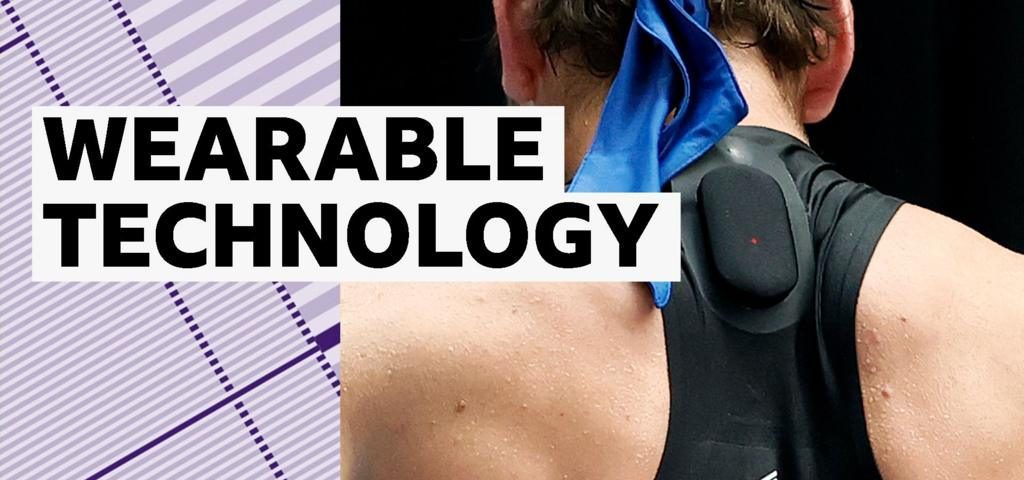
- High-tech tracking vests are becoming essential tools for tennis players.
- These devices provide real-time data that can influence match strategies.
- The use of this technology is growing in professional tennis, including Grand Slam events.
- Data collected can enhance player performance and injury prevention.
- Future advancements may further change how players prepare for ATP rankings and WTA tours.
In recent years, high-tech tracking vests have gained prominence in the world of professional tennis, particularly among top players competing in major tournaments. Notably, during the 2026 season, these vests are being increasingly utilized by athletes across both the ATP and WTA tours. This shift underscores a growing trend towards data-driven performance enhancement in the sport, as players seek every possible edge to improve their match results.
These vests, designed to monitor various performance metrics, such as heart rate, movement patterns, and exertion levels, are not just for show. They provide invaluable insights that can influence a player’s training regimen and match strategy. Coaches and trainers are now able to analyze real-time data during practice sessions and matches, allowing for immediate adjustments based on a player’s physical condition and on-court performance.
As Grand Slam tournaments loom, the importance of such technology cannot be overstated. Players are tasked with not just competing against their opponents but also managing their own physical limits. The data gathered from these tracking vests can help identify when a player is at risk of injury, guiding them in making informed decisions about their training load and recovery strategies.
The Role of Data in Modern Tennis
The integration of high-tech tracking vests in tennis is part of a broader trend towards the use of analytics in sports. This approach has proven effective across various disciplines, but tennis is uniquely positioned to benefit from such innovations. The sport demands a combination of endurance, agility, and strategy, making data analysis crucial for success.
Using the insights gleaned from tracking vests, players can gain a deeper understanding of their performance trends over time. This allows for the customization of training programs tailored to each athlete’s unique needs. For instance, a player who consistently experiences fatigue in the latter stages of matches can use this information to adjust their training regimen, possibly incorporating more endurance-focused workouts.
Moreover, the competitive nature of the ATP and WTA tours means that players cannot afford to be complacent. Every edge gained through technology can translate to improved match results, affecting their ATP rankings or WTA standings. As a consequence, we may see a future where every top player employs these vests not just during practice, but as an integral part of their competitive strategy.
Injury Prevention and Performance Optimization
One of the most significant benefits of utilizing high-tech tracking vests is their role in injury prevention. Tennis players are prone to a variety of injuries, often stemming from overexertion or improper physical conditioning. By analyzing data from these vests, trainers can identify patterns that may lead to injuries and adjust training loads accordingly.
This level of monitoring serves to protect players and prolong careers in a sport where physical prowess is paramount. As technology develops, the accuracy of these vests in predicting potential injuries will likely improve, providing even greater support for players and coaches.
We are also on the cusp of significant advancements in sports technology that could further enhance the capabilities of tracking vests. Innovations such as improved data accuracy, real-time feedback mechanisms, and even integration with other wearable technology may soon become commonplace. As these developments unfold, the potential to revolutionize not only individual player performance but also match strategies during Grand Slam competitions could be substantial.
In an era where every match result can impact a player’s legacy, the reliance on data-driven tools like high-tech tracking vests is set to deepen. By bridging the gap between physical performance and analytical insight, players are not only preparing for the upcoming challenges of the ATP and WTA tours but also redefining what it means to be an elite athlete in the modern game.
We see the increasing adoption of high-tech tracking vests as a game-changer for the future of tennis. While the immediate benefits of performance tracking and injury prevention are clear, we believe that the real revolution lies in the potential for personalized strategies and training programs. As more players embrace this technology, we anticipate a shift in how tournaments are approached, with coaches utilizing data to craft match plans that exploit opponent weaknesses while also mitigating their players' vulnerabilities.<br />
Furthermore, as younger athletes enter the sport, we can expect a generation of players who are more data-savvy and conditioned to leverage technology for optimal performance. The traditional aspects of tennis—such as skill, technique, and mental fortitude—will undoubtedly remain vital, but the successful players of the future will likely be those who can best integrate technology into their training and competition regimens. This evolution in tennis could lead to an era where data analytics is as critical as the physical game itself.
Source: Why tennis pros wear high-tech tracking vests
Sports News Plus is a news aggregator. We do not own or claim rights to any images, videos, or source content featured on this site. All images and media are the property of their respective original owners and publishers. Article content is independently written based on publicly available news sources, which are credited and linked throughout. Full disclosure →