- India is adopting a 'horses for courses' strategy for the World Cup.
- Aavishkar Salvi praised the dedication of his players.
- India’s bowlers are critical to their success in the tournament.
- The team’s adaptability is key against diverse opponents.
- This strategy could redefine India’s performance in future formats.
As the Women’s T20 World Cup 2026 unfolds, the Indian cricket team is gearing up for a pivotal group match against South Africa. The match, scheduled for later this week, will test the mettle of the Indian squad, who are approaching the tournament with a strategic mindset, as articulated by bowling coach Aavishkar Salvi. His remarks, emphasizing a ‘horses for courses’ approach, reflect a growing trend among teams to tailor their tactics to the specific challenges posed by different opponents.
Women’s T20 World Cup: What You Need to Know
Salvi’s focus on individual player strengths demonstrates a keen awareness of the diverse landscapes in T20 cricket, where adaptability can mean the difference between victory and defeat. India has faced a mixed bag of results in previous formats, such as the Test match and ODI series, and this strategic shift could be seen as a necessary evolution in their approach to international competitions.
The term ‘horses for courses’ suggests that the Indian team will select players based not only on their current form but also on how their skills fit the match conditions and the opposition’s strengths. This approach is particularly relevant in the T20 format, where conditions can change rapidly and performances can hinge on a single player’s ability to exploit weaknesses.
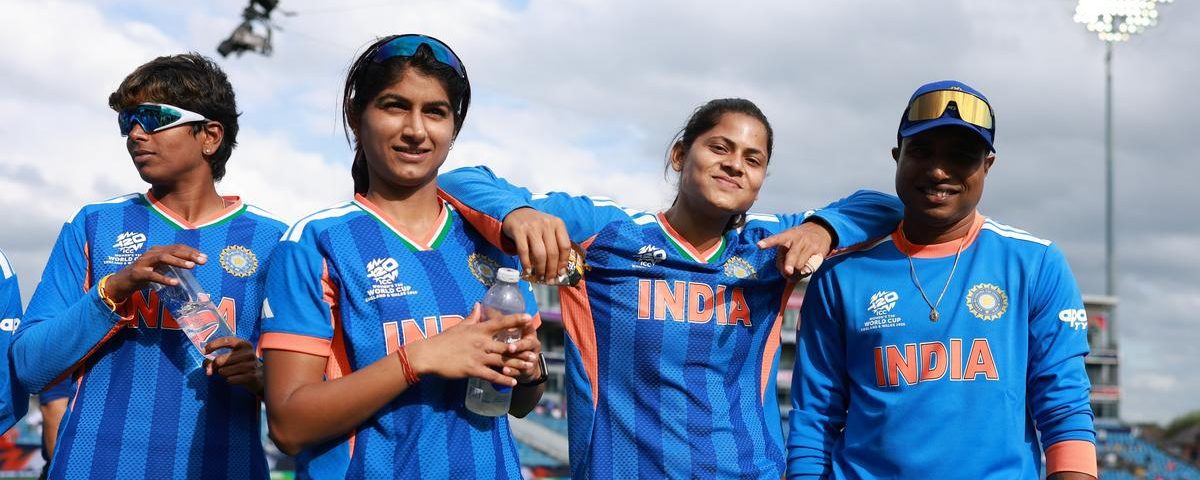
A significant aspect of India’s strategy will be their bowling attack. Salvi’s praise for the work ethic of his bowlers hints at a well-prepared unit ready to tackle the challenges posed by South Africa. The Indian bowling lineup will need to strike early to secure wickets and put pressure on the South African batting order. This tactic, if executed effectively, could provide India with a crucial advantage in a format known for its unpredictability.
Adopting a specialized strategy also speaks to the evolution of coaching staff within the Board of Control for Cricket in India (BCCI). The emphasis on a tailored approach reflects a growing understanding of how nuanced international competitions have become. Cricket’s shift towards analytics and player-centric strategies is changing how teams prepare, with coaches like Salvi taking an active role in shaping their squads to meet specific match requirements.
Analysis & Key Takeaways
In the broader context of women’s cricket, this focus on strategy is crucial. As the game continues to grow, with increasing viewership and investment, teams are expected to perform not only at the highest levels but also with tactical ingenuity. India’s performance in this World Cup could set a precedent for how national teams approach future tournaments.
Moreover, the success of this strategy could have implications beyond just the current World Cup. If India can harness the strengths of their players effectively, they may find themselves not only performing well in T20 matches but also translating that success into other formats, particularly in the lead-up to future ODI series and Test matches. This aligns with the BCCI’s long-term vision of developing a well-rounded team capable of competing on all fronts.
Another critical element of India’s preparation is the mental fortitude of the players. Salvi’s comments underline the importance of work ethic and resilience in high-stakes matches. The pressure of the World Cup can weigh heavily on athletes, and cultivating a strong mindset is essential for success. If the Indian players can channel their focus and determination, they can rise to the occasion against formidable opponents like South Africa.
As the tournament progresses, all eyes will be on India’s ability to implement their tailored strategy successfully. The upcoming match against South Africa is more than just a group game; it is a chance for the Indian team to showcase their strategic depth and adaptability. The outcomes of such matches will not only impact their standing in the World Cup but also serve as a bellwether for the future of women’s cricket in India.
Ultimately, as we look ahead, the ‘horses for courses’ strategy adopted by India may well become a blueprint for teams aiming to succeed in the ever-evolving landscape of international cricket. By emphasizing the importance of player strengths and tailored tactics, the Indian cricket team is positioning itself as a formidable competitor not only in this World Cup but in the arenas to come.
From our perspective, the 'horses for courses' strategy articulated by Aavishkar Salvi reveals a significant shift in how teams are approaching the game today. It underscores the importance of not just having skilled players but also knowing how to deploy them effectively against varying styles of play. This adaptability could very well be the defining factor for India's success in the World Cup and beyond.<br />
We believe that if India succeeds in this tournament, it will set a new standard for strategic preparation in women’s cricket. The ability to think critically about match conditions and adjust accordingly is essential, especially in a format as dynamic as T20. As the landscape of women’s cricket continues to evolve, strategies like this could become common practice, prompting other teams to also rethink their approaches to international competitions.
Source: Women’s T20 World Cup 2026: Salvi says India approaching campaign with ‘horses for courses’ strategy
Sports News Plus is a news aggregator. We do not own or claim rights to any images, videos, or source content featured on this site. All images and media are the property of their respective original owners and publishers. Article content is independently written based on publicly available news sources, which are credited and linked throughout. Full disclosure →