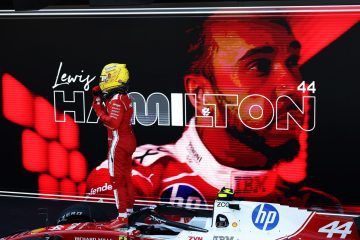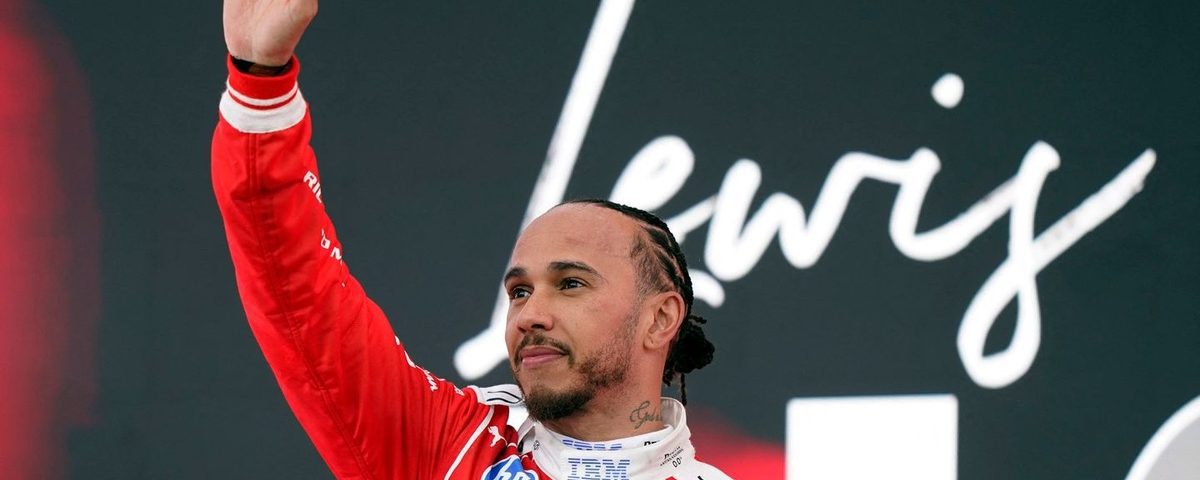
- Lewis Hamilton secured his first victory with Ferrari, marking a historic moment in Formula 1.
- Claire Williams highlights the unique personality traits required to transform a team in the sport.
- Hamilton's influence at Ferrari may rival that of Michael Schumacher, who reshaped the team's legacy.
- The race result signals a new era of competitiveness in the championship landscape.
- As Hamilton adapts to Ferrari, fans can expect thrilling developments in upcoming qualifying sessions.
Lewis Hamilton, a seven-time Formula 1 World Champion, recently made headlines by securing his first victory with Ferrari, marking the 106th win of his illustrious career. This impressive achievement occurred during the 2026 season, where Hamilton, after a challenging transition from Mercedes to the iconic Maranello team, demonstrated his unparalleled prowess in a competitive championship landscape. The victory not only adds to his remarkable race result tally but also raises questions about the potential of Hamilton to shape Ferrari’s future in Formula 1.
Formula 1: What You Need to Know
Claire Williams, the former deputy team principal of Williams Racing, shared insights on the High Performance Racing podcast, drawing parallels between Hamilton’s role at Ferrari and that of Michael Schumacher during his transformative stint with the team. Williams posited that certain drivers possess a unique set of personality traits that can elevate a team’s performance, and Hamilton’s recent success exemplifies such potential. It prompts one to consider how driver dynamics can influence a team’s trajectory and success in the highly competitive world of Formula 1.
Historically, Schumacher’s impact at Ferrari during the late 1990s and early 2000s revolutionized the team’s approach to racing and established it as a powerhouse in Formula 1. His ability to cultivate an environment of excellence, combined with his exceptional driving skills, led to a string of championships that solidified Ferrari’s legacy. Hamilton, who has consistently demonstrated an outstanding work ethic and competitive spirit, appears poised to replicate this transformative effect, invigorating the team with his experience and relentless pursuit of victory.
Hamilton’s arrival at Ferrari has not been without its challenges. The transition from Mercedes, a team known for its dominance in recent years, to Ferrari, which has experienced fluctuating fortunes, requires a mental and strategic adjustment. Nevertheless, Hamilton’s recent race result indicates that he is beginning to find his footing and unlock the potential within the Ferrari structure. As he adapts to the car and the team dynamics, fans are likely to witness a shift in competitive balance, particularly as the 2026 championship unfolds.
Analysis & Key Takeaways
As we analyze Hamilton’s unique position, it’s essential to recognize the potential for a new era in Formula 1. The introduction of fresh regulations and the ongoing evolution of car design mean that the playing field is more level than it has been in years. Hamilton’s victory is not just a personal milestone; it signals the beginning of a formidable partnership between driver and team, one that could reignite Ferrari’s championship aspirations.
Another factor to consider is the psychological impact Hamilton’s success may have on the entire Ferrari team. His ability to inspire teammates and cultivate a winning mentality is crucial in a sport where morale can fluctuate dramatically based on race results. The presence of a driver of Hamilton’s caliber can foster an environment where every team member feels vested in success, potentially leading to enhanced performance across the board.
Looking ahead, we can expect the upcoming qualifying sessions to be particularly thrilling as Hamilton seeks to capitalize on this newfound momentum. Teams across the grid will be keenly aware of the implications of his victory and will undoubtedly adjust their strategies to counter Ferrari’s resurgence. As Hamilton and Ferrari continue to build on this initial success, the implications for the championship landscape are significant, suggesting a more competitive environment in the races to come.
Ultimately, Lewis Hamilton’s impact at Ferrari could redefine the team’s trajectory in Formula 1, reminiscent of Schumacher’s time. His ability to transform not just race results but the overall competitive spirit of the team may well set the stage for a thrilling championship battle as the season progresses. Fans and analysts alike will be watching closely to see how this dynamic unfolds in the coming races.
In our view, Lewis Hamilton’s transition to Ferrari is not merely about achieving individual victories; it represents a broader narrative of transformation within the sport. While many might focus on the immediate ramifications of his recent win, the long-term implications could be even more profound. If Hamilton can indeed channel the same energy and leadership that Schumacher did, we might witness a renaissance for Ferrari, not just in terms of race results but also in brand prestige and fan engagement.<br />
Moreover, the competitive landscape of Formula 1 is shifting, with new technologies and regulations altering the status quo. Hamilton’s role could extend beyond driving; he may become a pivotal figure in shaping Ferrari’s strategic direction for years to come. His influence could inspire a new generation of drivers and engineers, reinforcing the importance of resilience and innovation in a sport that thrives on both.
Source: Lewis Hamilton Ferrari impact compared to Michael Schumacher by Claire Williams
Sports News Plus is a news aggregator. We do not own or claim rights to any images, videos, or source content featured on this site. All images and media are the property of their respective original owners and publishers. Article content is independently written based on publicly available news sources, which are credited and linked throughout. Full disclosure →