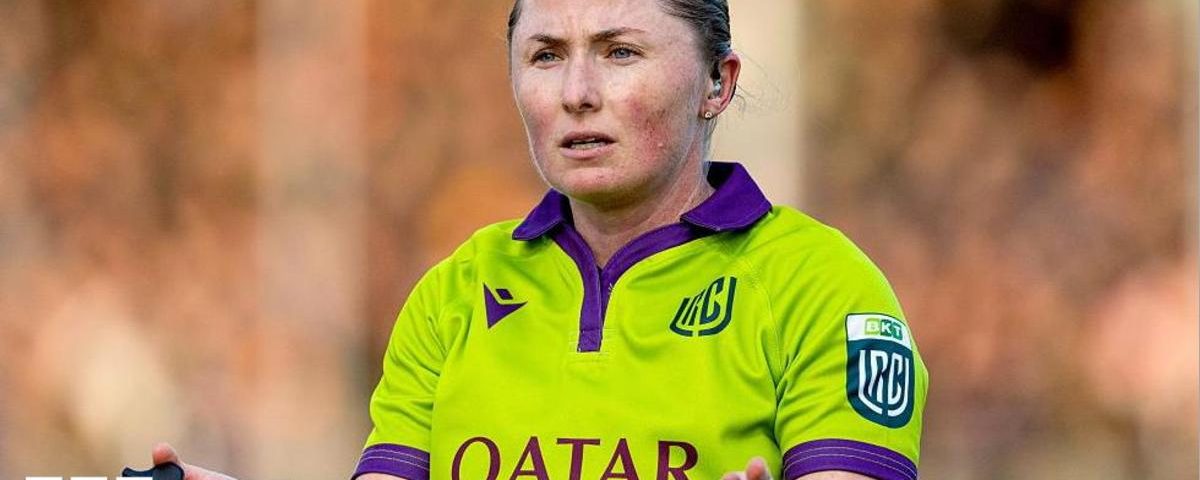
- Aimee Barrett-Theron, a leading female rugby referee, has stepped down following a breast cancer diagnosis.
- Her absence from officiating will have significant implications on upcoming tournaments, including the Six Nations and Super Rugby.
- Barrett-Theron is known for her tactical awareness and strong decision-making in high-pressure matches.
- The rugby community has rallied in support, highlighting the importance of mental health amidst health challenges.
- Looking ahead, her departure may open doors for other female referees in a traditionally male-dominated field.
Aimee Barrett-Theron, one of the most respected female referees in the world of rugby, recently announced her decision to step down from officiating after being diagnosed with breast cancer. This news broke on July 15, 2026, leaving the rugby community in shock and concern. Barrett-Theron has been a trailblazer in a predominantly male profession, officiating in key tournaments such as the Six Nations and Super Rugby, and her absence will be felt in the upcoming seasons.
Her tenure has been marked by a commitment to excellence and a deep understanding of the game, qualities that made her a favorite among both players and fans. Barrett-Theron has not only managed to navigate the complexities of officiating high-stakes matches but has done so while bringing attention to the importance of diversity in sports. The rugby world is now left to ponder the implications of her departure on the officiating landscape.
Barrett-Theron’s officiating style has been characterized by a keen tactical awareness. She has made crucial decisions at pivotal moments, such as determining whether a try is valid or whether a penalty should be awarded. Her intuitive grasp of the game allowed her to manage matches effectively, ensuring that the flow of play was maintained while also upholding the integrity of the sport.
Impact on Upcoming Tournaments
As rugby gears up for the Six Nations and Super Rugby, Barrett-Theron’s absence raises questions about who will fill her shoes. With the pressure mounting to deliver fair and accurate officiating, the governing bodies of rugby must ensure that they select referees who not only possess the requisite skills but also the temperament to handle high-intensity matches.
In tournaments like the Six Nations, where every decision can significantly influence the outcome, the gap left by Barrett-Theron could be felt acutely. Referees need to be able to make quick, decisive calls under pressure, whether it is awarding a penalty for a high tackle or validating a try after a lengthy review. The tactical dimensions of officiating are as crucial as those on the field, and Barrett-Theron has set a high standard that will be challenging to meet.
In her absence, we may see emerging referees given opportunities to step up, potentially leading to a new wave of talent in officiating. This shift could also catalyze a broader discussion about gender representation in rugby, as more female referees are encouraged to take on high-profile roles.
A Community in Support
The news of Barrett-Theron’s diagnosis has prompted an outpouring of support from the rugby community. Fellow referees, players, and fans have voiced their admiration for her contributions to the sport and their hopes for her recovery. This solidarity highlights the importance of mental health and community support during challenging times.
As Barrett-Theron focuses on her health, the rugby world is reminded of the human side of the sport that often gets overshadowed by the physicality and competitiveness on display. The narrative around health and well-being has become increasingly important, adding layers to the conversation about the pressures faced by athletes and officials alike.
In the wake of her announcement, conversations about mental health resources and support systems in sports are vital. Barrett-Theron’s struggle may serve as a catalyst for more robust support structures for current and aspiring referees, helping them navigate not only the challenges of officiating but also personal obstacles.
Looking ahead, we anticipate that Barrett-Theron’s departure could provide an opportunity for other female referees to shine. The rugby community has been clamoring for greater representation in all facets of the game, and this moment may serve as a turning point. As we witness the evolution of rugby officiating, we hope to see more opportunities created that empower women to step into roles that were once considered unattainable.
From our perspective, Barrett-Theron's stepping down could be a significant turning point for rugby officiating, particularly with the approaching Six Nations and Super Rugby seasons. We may see a new generation of referees rise to the occasion, eager to fill the void left by a pioneer in the field. This could lead to increased visibility for female referees, encouraging more women to pursue careers in officiating and breaking down barriers in a traditionally male-centric environment.<br />
Moreover, this situation opens a broader discussion about the selection process for referees in high-pressure tournaments. Rugby's governing bodies must scrutinize how they prepare officials for top-tier competitions. The loss of an experienced referee like Barrett-Theron not only affects the immediate landscape but may also influence long-term strategies for developing officiating talent, especially among women.<br />
As Barrett-Theron focuses on her health, we hope this experience serves as a rallying cry for the rugby community to come together in support of all referees dealing with personal challenges, emphasizing that mental health and well-being are as crucial as physical agility and tactical skill.
Source: Referee Barrett-Theron stands down after cancer diagnosis
Sports News Plus is a news aggregator. We do not own or claim rights to any images, videos, or source content featured on this site. All images and media are the property of their respective original owners and publishers. Article content is independently written based on publicly available news sources, which are credited and linked throughout. Full disclosure →