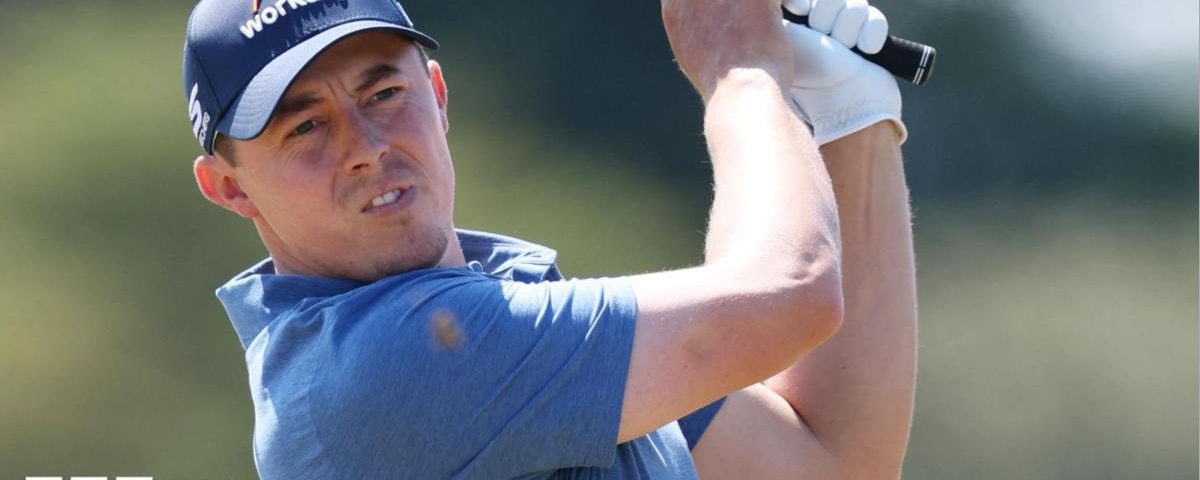
- Matt Fitzpatrick states that gambling is fueling abuse towards golfers.
- The rise in sports betting is creating a toxic environment for players.
- Misplaced expectations from bettors can lead to hostility on the course.
- Statistical trends show that performance is increasingly influenced by betting.
- The PGA Tour may need to address gambling's impact on the sport's integrity.
PGA Tour In a candid statement on July 13, 2026, professional golfer Matt Fitzpatrick shed light on a pressing issue within the sport: the increasing prevalence of gambling among golf fans and its troubling consequences. Fitzpatrick emphasized that sports betting is becoming a significant problem, contributing to personal abuse directed at players on the PGA Tour. As the popularity of golf continues to grow, so too does the impact of betting culture, raising questions about the integrity of the game and the well-being of its athletes.
PGA Tour: What You Need to Know
The rise of sports betting has transformed how fans engage with golf. No longer are spectators merely passive viewers; they are now active participants in the outcomes of tournaments. This shift has led to an environment where financial stakes can overshadow the appreciation for the sport itself. In recent years, the proliferation of online gambling platforms has made it easier than ever for fans to place bets on players and outcomes, creating a direct correlation between financial investment and emotional response.
As Fitzpatrick points out, this growing trend has resulted in instances of abuse directed at players who do not meet the expectations of bettors. Fans may feel entitled to voice their frustrations when a golfer’s performance doesn’t align with their wagers. Such behavior not only creates a hostile atmosphere on the course but also poses significant mental health challenges for the players. The pressure to perform is already immense; adding the weight of external financial expectations can be overwhelming.
By the Numbers:
To understand the scale of gambling’s influence on golf, let’s examine some crucial statistics. According to the American Gaming Association, the amount wagered on sports in the U.S. is projected to surpass $100 billion annually. The expansion of legal sports betting has also seen a rise in betting on golf events; in 2022, a reported 30% of sports bettors placed wagers on the PGA Tour. This significant figure indicates a shift in how golf is consumed—turning it into another battleground for financial speculation.
Analysis & Key Takeaways
In terms of performance metrics, the average scoring for golfers on the PGA Tour has hovered around 70 strokes per round in recent years. Yet, amidst the pressures of gambling, even slight variations in performance can lead to severe consequences for players. For instance, a missed cut may not only impact a player’s earnings but could also provoke backlash from fans who invested in their success.
Furthermore, historical records indicate that the top players on the PGA Tour have around a 25% win rate in major championships. As players navigate these high-stakes tournaments, the pressure from gambling can exacerbate the challenges they already face. The psychological toll on players is evident, and as Fitzpatrick suggests, the culture surrounding sports betting may need a reevaluation to protect the integrity of the game.
The PGA Tour has a responsibility to address the implications of gambling on its players. As the landscape of sports betting continues to evolve, so too must the policies that govern player conduct and fan interactions. Initiatives to promote responsible gambling and educate fans about the impact of their bets could help mitigate the negative consequences highlighted by Fitzpatrick.
In addition to addressing gambling-related abuse, the PGA Tour could explore partnerships with mental health organizations to support players struggling with the pressures of performance and public scrutiny. Creating a more supportive environment for athletes will not only enhance their experience on the course but will also draw more fans to the sport in a positive and respectful manner.
As we look ahead, the intersection of gambling and golf provides both challenges and opportunities. The PGA Tour must navigate this evolving landscape carefully, ensuring that the integrity of the game remains intact while fostering a healthier relationship between fans and players.
We believe the issues raised by Fitzpatrick signal a tipping point for the PGA Tour. The rise of gambling is not merely a passing trend but a fundamental shift in how fans engage with golf. As the stakes get higher, the culture of abuse may become more entrenched unless proactive measures are taken. Our view is that the PGA Tour could implement stricter regulations on fan behavior during tournaments to combat this trend.<br />
Furthermore, addressing the psychological effects of gambling on players will be essential. As the demographics of sports bettors continue to evolve, the Tour has an opportunity to redefine its relationship with fans while promoting a culture of respect and sportsmanship. If done correctly, the PGA Tour can emerge from this challenge stronger, with a renewed focus on the athletes that make the sport great.
Source: Gambling contributing to abuse of golfers – Fitzpatrick
Sports News Plus is a news aggregator. We do not own or claim rights to any images, videos, or source content featured on this site. All images and media are the property of their respective original owners and publishers. Article content is independently written based on publicly available news sources, which are credited and linked throughout. Full disclosure →