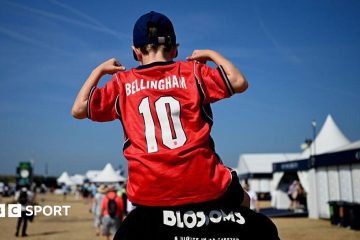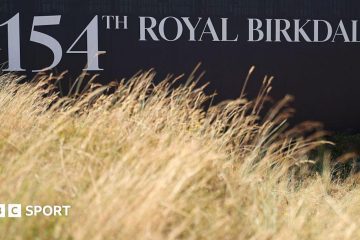
- It has been nearly 60 years since an English golfer last won The Open on home soil.
- Players like Tommy Fleetwood and Matt Fitzpatrick are in strong form heading into the tournament.
- The Open has increasingly showcased local talent, making this year particularly promising.
- The challenging par-70 course may play a key role in determining the leaderboard.
- A win by an English golfer could reignite interest in golf across the UK.
The Open Championship is set to unfold this week at Royal Liverpool Golf Club, with the world’s best golfers vying for one of the sport’s most prestigious titles. Amidst a landscape rich in tradition and history, the event carries an added layer of significance — it has been nearly 60 years since an Englishman last claimed victory on home turf, a drought that many believe is on the verge of being broken. With the likes of Tommy Fleetwood and Matt Fitzpatrick in contention, fans are hopeful that this year may finally usher in a new era for English golf.
Open Championship: What You Need to Know
The narrative leading up to this year’s tournament has been compelling. The Open Championship, renowned for its unique challenges and unpredictability, takes place against the backdrop of a par-70 course that can test even the most seasoned professionals. Royal Liverpool, with its undulating fairways and strategically placed bunkers, has the potential to shape the leaderboard in dramatic fashion. Players will need to navigate the intricate layout while also contending with unpredictable weather, a hallmark of Open tournaments.
As we reflect on the legacy of the Open Championship, it’s hard not to consider the monumental impact of Tony Jacklin, the last English golfer to win the tournament in 1969. His triumph not only marked a significant moment in English golf history but also sparked a generation of aspiring golfers who sought to emulate his success. Yet, as the decades rolled on, the absence of English winners has created a palpable sense of longing among fans. This year, however, there is a renewed optimism that the cycle may finally come to an end.
The current crop of English talent is more promising than it has been in years. Tommy Fleetwood, known for his flamboyant play and engaging personality, has consistently shown he can compete with the best on the PGA Tour. His recent performances suggest he is not just a contender but a serious threat to clinch the title. Meanwhile, Matt Fitzpatrick, fresh off his U.S. Open victory, seems poised to make a significant impact. Both players exemplify the determination and skill required to navigate the challenges that the Open Championship presents.
Analysis & Key Takeaways
The psychological aspect of competing in a major championship cannot be underestimated. For many players, the pressure of performing on home soil can be a double-edged sword. While there is the exhilarating support of local fans, the weight of expectation can also be daunting. Nevertheless, as Fleetwood and Fitzpatrick step onto the first tee, they will draw strength from the rich legacy of English golf, with the hopes of a nation resting on their shoulders.
Another aspect that could play a crucial role in this year’s championship is the strategic approach to the course. With a par-70 layout, players will need to employ a blend of power and precision. The importance of risk management is paramount. Those who can master the intricacies of the course, knowing when to play aggressively and when to lay back, will find themselves climbing the leaderboard as the tournament progresses.
As we look ahead, the potential for an English winner this week is not just about breaking a long-standing drought. It represents a renaissance for English golf, one that could inspire a new generation of players and reignite interest in the sport throughout the UK. The Open Championship has a unique ability to capture the imagination of the public, and the sight of an English golfer lifting the Claret Jug could serve as a catalyst for growth in the sport.
In conclusion, the Open Championship is not merely a tournament; it is an event steeped in history, emotion, and national pride. As the week unfolds at Royal Liverpool, all eyes will be on Fleetwood and Fitzpatrick, among others, to see if they can deliver the elusive victory that English fans have been yearning for. Their success could mark a turning point in the narrative of English golf, reminding us of the rich heritage and potential that the sport holds in this region.
From our perspective, the upcoming Open Championship is more than just a golf tournament; it is a pivotal moment for English golfing identity. While many may focus on the numbers and statistics, the emotional aspect of this event cannot be overlooked. English spectators have waited nearly six decades for a homegrown champion, and the anticipation surrounding Fleetwood and Fitzpatrick could create an electric atmosphere at Royal Liverpool. If one of them emerges victorious, it may not only break a drought but also instill a renewed sense of belief and hope in English golf's future.<br />
Moreover, we believe the psychological weight of this moment could lead to a compelling storyline throughout the tournament. Each swing, putt, and decision will carry added significance, as these players are not only battling against the world's best but also the ghosts of past disappointments. The pressure may elevate their performance or lead to struggle under the spotlight. Regardless, this Open Championship promises to be a memorable chapter in the ongoing saga of English golf, one that could shape the sport's landscape for years to come.
Source: Why it's time for The Open to crown an English winner
Sports News Plus is a news aggregator. We do not own or claim rights to any images, videos, or source content featured on this site. All images and media are the property of their respective original owners and publishers. Article content is independently written based on publicly available news sources, which are credited and linked throughout. Full disclosure →