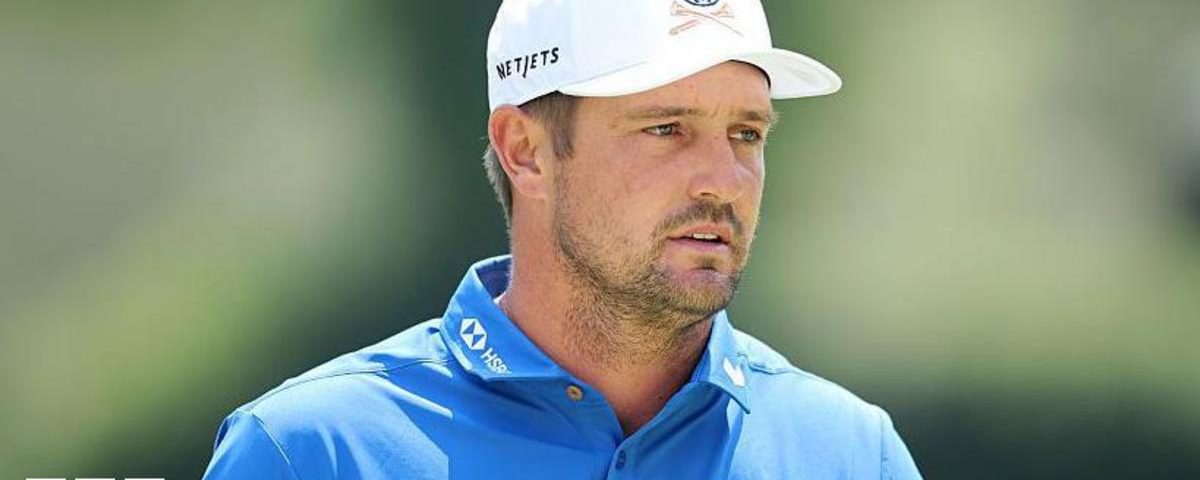
- Bryson DeChambeau is set to continue with LIV Golf amid financial speculation.
- His commitment raises questions about the future of the PGA Tour and major championships.
- LIV’s financial stability continues to be a concern for players and fans alike.
- DeChambeau's decision may influence other players' choices regarding the PGA Tour and LIV.
- The ongoing rivalry between LIV Golf and the PGA Tour is shaping the future of professional golf.
PGA Tour Bryson DeChambeau, a two-time Major champion, has confirmed his commitment to LIV Golf, quelling rumors about a potential exit from the controversial tour. This announcement, made on April 22, 2026, comes amidst ongoing speculation regarding LIV Golf’s financial viability and its potential impact on the broader landscape of professional golf. DeChambeau’s decision may have significant implications for both LIV Golf and the established PGA Tour, as the rivalry between the two continues to intensify.
LIV Golf has made headlines since its inception, presenting a financial alternative to the traditional structures of the PGA Tour. As DeChambeau continues to align himself with LIV, he adds a high-profile name to a roster that already includes several other former PGA stars. This not only enhances LIV’s credibility but also raises questions about the PGA Tour’s ability to retain top talent in an increasingly competitive environment.
As DeChambeau commits to LIV Golf, the question remains: what does this mean for the future of the PGA Tour? The PGA has been grappling with the challenge of competing against the allure of substantial financial incentives that LIV offers its players. As more elite golfers consider their options, the PGA Tour may find itself at a crossroads, forced to adapt or risk losing its standing as the premier platform for professional golf.
The Financial Landscape of LIV Golf and Its Impact on Majors
The financial underpinnings of LIV Golf have been a focal point of discussion since the tour’s inception. Despite DeChambeau’s confidence, skepticism about LIV’s sustainability remains. The financial structure, with its lavish payouts and guaranteed contracts, is appealing, but it also raises concerns about the long-term viability of the tour.
If LIV continues to attract top-tier talent, it could disrupt the traditional leaderboard of major championships. The PGA Tour has long been the benchmark for competitive golf, with its storied history and reputation. However, if LIV establishes itself as a legitimate competitor, we may see a shift in how major tournaments are structured, potentially leading to joint events or even a reevaluation of qualification criteria for those prestigious tournaments.
The presence of LIV players in major championships poses another layer of complexity. With DeChambeau and others potentially vying for titles in these high-stakes events, the dynamics of competition could shift dramatically. This evolving landscape invites speculation about whether the PGA Tour will adapt its policies or if it will hold firm, risking further defections from its ranks.
Player Dynamics and the Future of Professional Golf
DeChambeau’s decision is not just a personal choice; it reflects broader trends in professional golf. The ongoing tug-of-war between LIV and the PGA Tour has created an environment where players are forced to evaluate their careers through a new lens. As more golfers weigh the financial incentives against the traditional prestige of the PGA Tour, we could see a generational shift in the sport.
Moreover, DeChambeau’s presence on LIV Golf may influence other players considering their future. As a prominent figure with a strong brand, his continued allegiance to LIV might encourage younger players to follow suit, particularly those who prioritize financial security over the historical significance of the PGA Tour. This potential trend could lead to a reconfigured golf landscape where new rivalries and alliances take shape.
As the rivalry continues to unfold, the implications for fans and sponsors are significant. The PGA Tour has long been a staple for golf enthusiasts, but as LIV Golf gains traction, spectators may find themselves drawn to new formats and styles of play. This shift could alter how the sport is consumed, with LIV’s innovative approach to events appealing to a younger audience.
In conclusion, Bryson DeChambeau’s commitment to LIV Golf is a pivotal moment that encapsulates the shifting dynamics of professional golf. As the landscape evolves, both LIV and the PGA Tour will need to navigate these changes to maintain their relevance and appeal in an increasingly competitive market.
As we consider the implications of DeChambeau's commitment to LIV Golf, it becomes clear that the professional golfing world is at a critical juncture. The financial allure of LIV is undeniably enticing, but it raises questions about the integrity and tradition that the PGA Tour has long championed. We believe that this rivalry could lead to both tours re-evaluating their offerings—perhaps even collaborating on certain events to enhance the sport's appeal.<br />
Furthermore, as more players choose to join LIV, the landscape of major championships may also shift. The potential for a mixed-field event, featuring both LIV and PGA players, could become a reality sooner than we think. This scenario would not only heighten the excitement but could also signify a new era in professional golf where collaboration may outweigh competition.
Source: DeChambeau working on new LIV contract
Sports News Plus is a news aggregator. We do not own or claim rights to any images, videos, or source content featured on this site. All images and media are the property of their respective original owners and publishers. Article content is independently written based on publicly available news sources, which are credited and linked throughout. Full disclosure →