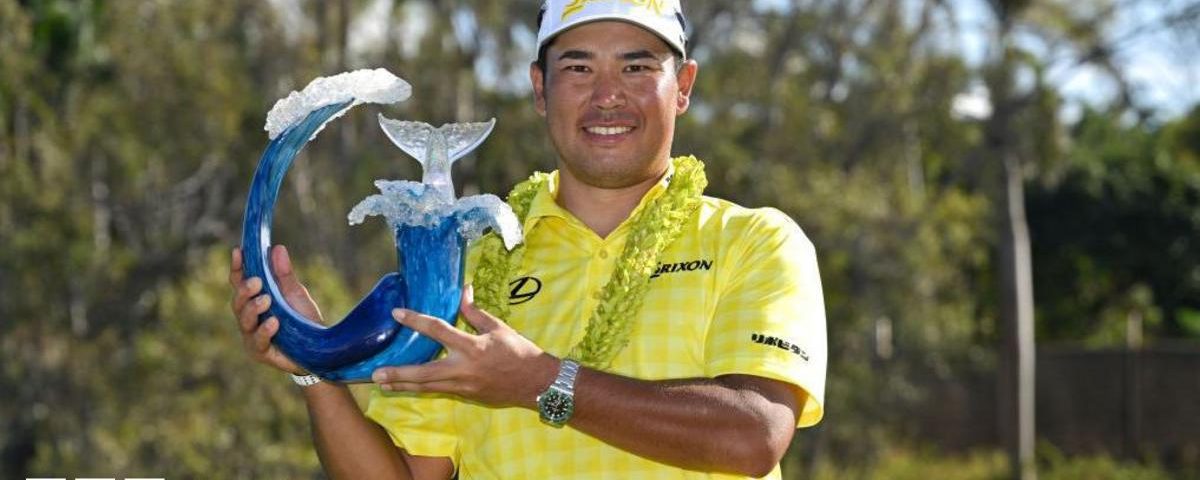
- The PGA Tour will not host an event in Hawaii for the first time in 63 years.
- Drought conditions led to the cancellation of the Maui season opener in 2026.
- Historical performance in Hawaii has shaped many golfers' careers and major championship aspirations.
- The announcement impacts players who thrive in tropical conditions and seek points on the leaderboard.
- Looking ahead, this shift may influence tournament scheduling and player strategies on the PGA Tour.
In a surprising announcement, the PGA Tour confirmed it will not hold an event in Hawaii in 2027. This marks a historic shift, as it will be the first time in 63 years that the islands will be absent from the Tour’s schedule. The decision comes after this year’s season opener in Maui was canceled due to severe drought conditions, raising questions about the future of golf in this tropical paradise.
PGA Tour: What You Need to Know
Hawaii has long been a favorite stop for golfers, known for its stunning landscapes and serene courses. The Tour’s traditional opener usually takes place at the picturesque Kapalua Resort, where lush fairways and ocean views create an ideal backdrop for the season’s start. However, the recent environmental conditions have made it increasingly difficult to maintain these courses in their pristine state, leading to the decision to skip the islands entirely for 2027.
The absence of the Hawaii event raises several implications for golfers on the PGA Tour. For many players, the early-season tournaments provide valuable opportunities to earn FedEx Cup points and momentum for the year ahead. In the past, Hawaii has been a launching pad for great success, with several notable wins that have propelled players into contention for major championships later in the season.
By the Numbers: Historical Context
To understand the significance of Hawaii’s absence from the 2027 schedule, let’s delve into the statistics that have emerged from past events. Historically, winning in Hawaii has been a strong indicator of a successful season. For instance, players who have won the Sentry Tournament of Champions at Kapalua have an impressive track record, with many going on to secure spots on the leaderboard in subsequent major championships.
Looking back, the average winning score in Hawaii tends to hover around 20-under par, showcasing the courses’ forgiving nature yet demanding skill. In the tournament’s history, the lowest score recorded was a staggering 31-under par by Ernie Els in 2003, a record reflective of both the players’ talent and the course conditions. This demonstrates how the unique environment can lead to exceptional play, making it a coveted event for those looking to kickstart their year.
Analysis & Key Takeaways
Moreover, players who excel in Hawaii often experience a boost in their scoring averages for the remainder of the season. According to historical data, the players who finish in the top 10 at the Sentry Tournament of Champions tend to average around 69.5 strokes per round in subsequent tournaments, showing the momentum one can gain from a strong finish in the islands. This absence may not only disrupt individual players’ trajectories but could reshape the competitive landscape of the Tour.
Implications for the Future
As we look ahead, the PGA Tour’s decision to skip Hawaii in 2027 could signal a broader trend regarding event scheduling and environmental considerations. The increasing frequency of weather-related cancellations may push the Tour to rethink its calendar, potentially leading to more flexible arrangements that allow for last-minute changes based on local conditions.
Additionally, the Tour might consider alternative venues or formats that can adapt to changing climates. This could pave the way for exciting new destinations that can offer similar allure without the risk of cancellation. As players and organizers navigate these changes, the future of the PGA Tour will undoubtedly hinge on balancing tradition with the realities of modern environmental challenges.
The absence of Hawaii also raises questions about player preferences. Some golfers thrive in warmer climates, drawing energy from the lush surroundings and the relaxed atmosphere of the islands. Without this event, these players may need to adjust their early-season strategies, potentially seeking out different tournaments that offer similar competitive advantages.
With more players entering the circuit each year, the absence of a Hawaii event may create an opportunity for emerging talents to showcase their abilities in different venues. As the Tour adapts, we expect to see a broader range of performances and perhaps even new stars rising to the forefront.
From our perspective, the PGA Tour's decision to skip Hawaii in 2027 represents a significant shift in the landscape of professional golf. It not only impacts players who have historically used the event as a springboard but also opens up discussions about how the Tour can navigate climatic challenges moving forward. We believe this could lead to a more dynamic approach to scheduling, where adaptability becomes key.<br />
Furthermore, as the Tour adjusts, it could create pathways for new players to emerge as contenders. With fewer established names dominating the leaderboard early in the season, we may witness a changing of the guard, allowing younger talent to capitalize on opportunities that might have previously been overshadowed by veterans. This could inject fresh energy into the Tour, making for an exciting and unpredictable season ahead.
Source: PGA Tour plans to have no Hawaii event in 2027
Sports News Plus is a news aggregator. We do not own or claim rights to any images, videos, or source content featured on this site. All images and media are the property of their respective original owners and publishers. Article content is independently written based on publicly available news sources, which are credited and linked throughout. Full disclosure →