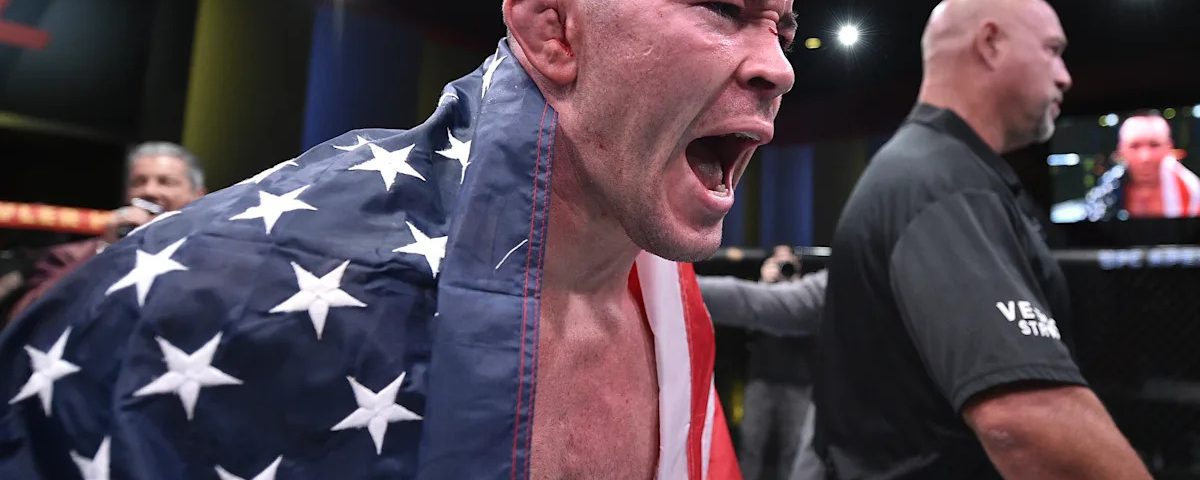
- Colby Covington has been removed from the UFC welterweight rankings after over four years without a fight.
- Mike Malott has debuted in the rankings at No. 11, showcasing a new talent in the 170-pound division.
- This shift reflects a growing demand for fresh fighters in the UFC's welterweight landscape.
- Covington's absence raises questions about his future in the sport and the potential for a comeback.
- The updated rankings signal the UFC's commitment to promoting active fighters and keeping the competition lively.
UFC welterweight rankings In a significant move that has sent ripples through the UFC welterweight division, Colby Covington has officially been removed from the promotion’s rankings. This change was announced on April 22, 2026, after Covington, known as “Chaos,” failed to compete for over four years and has not secured a fight result since 2022. The UFC has instead welcomed Mike Malott into the rankings at No. 11, reflecting a shift towards prioritizing active competitors within the 170-pound landscape.
The UFC’s decision to drop Covington is not just a procedural update; it symbolizes a critical turning point for the welterweight division. For years, Covington has been a polarizing figure, known for his brash persona and strategic trash-talking. However, his inactivity has diminished his standing in a division that continues to evolve with emerging talents eager to make their mark.
Mike Malott’s entry at No. 11 is particularly noteworthy, as he represents a fresh face in a division that has been dominated by a select few fighters. Malott’s style and skills have garnered attention, and his placement in the rankings is a testament to the UFC’s commitment to nurturing new talent. With fighters like Malott stepping into the spotlight, the welterweight division is set for a renaissance, promising thrilling fight results and dramatic knockouts in the coming months.
The implications of this change extend beyond just rankings. Covington’s removal opens up opportunities for other fighters to step up and challenge for the title. The welterweight division is known for its depth and competitive nature, and with the likes of Malott now in the mix, fans can expect an exciting series of matchups.
Analyzing the Tactical Landscape
From a tactical perspective, the departure of Covington alters the dynamics within the welterweight rankings. Covington’s fighting style has been characterized by his wrestling prowess, high-pressure striking, and an unyielding pace that often wears down opponents. His absence may create a void, especially against fighters who rely heavily on grappling and cardio, as Covington was a formidable opponent in those areas.
In terms of matchups, Malott’s debut at No. 11 could lead to intriguing battles against established fighters who are eager to prove themselves against a rising contender. His style, which combines striking precision with effective grappling, will be pivotal in determining how he can navigate the welterweight landscape. As he faces off against opponents with varying styles, his adaptability and ability to manage fight pace will be crucial.
The removal of a prominent figure like Covington also allows up-and-coming fighters to focus on their own development without the shadow of a former title challenger looming over them. This could lead to more competitive bouts, as fighters no longer have to contend with the psychological and strategic weight Covington carried throughout his career. The stage is set for new rivalries and an invigorated competitive spirit within the division.
Future Directions for the Division
Looking ahead, the UFC will likely focus on consolidating the welterweight rankings around active fighters who can deliver thrilling performances. The promotion has a vested interest in showcasing fighters that can attract audiences and produce compelling narratives, and Malott’s entry into the rankings is just the beginning.
As the UFC continues to evolve, fans should keep an eye on how the rankings will shift further in the coming months. With Covington out, there’s a chance that other fighters will step up to establish themselves as title contenders. This fresh landscape may not only lead to exciting fight results but could also redefine the strategies fighters employ in the cage.
The UFC’s decision to prioritize active competitors in the welterweight division is a clear indication of their intention to keep the sport dynamic. As we watch how Malott integrates into the competitive fabric of the division, we may witness the emergence of new stars capable of captivating the audience and delivering unforgettable knockouts and submissions.
At the SNP editorial desk, we believe that Covington's removal from the rankings opens up a plethora of opportunities for intriguing matchups. While he has been a significant figure in the welterweight division, the UFC’s decision reflects a broader trend of promoting fighters who actively engage in the sport. This not only revitalizes the rankings but also provides fans with fresh narratives and rivalries to follow.<br />
As we look to the future, we anticipate that fighters like Malott will seize their opportunities, possibly leading to a new wave of talent in the welterweight division. The potential for knockouts and submissions will rise as fighters adapt to the absence of a former title challenger, creating a more unpredictable and exciting environment. We foresee an explosive next chapter for the welterweight division, and we can’t wait to see how it unfolds.
Sports News Plus is a news aggregator. We do not own or claim rights to any images, videos, or source content featured on this site. All images and media are the property of their respective original owners and publishers. Article content is independently written based on publicly available news sources, which are credited and linked throughout. Full disclosure →