- Yuki Tsunoda's disappointing 2025 season led to his demotion to reserve driver.
- Red Bull team principal Laurent Mekies advocates for Tsunoda's return to full-time racing.
- Historical precedents in Formula 1 show mixed outcomes for demoted drivers.
- Past drivers who faced similar demotions often succeeded in their comebacks.
- Tsunoda's future could provide insights into team dynamics and driver resilience in Formula 1.
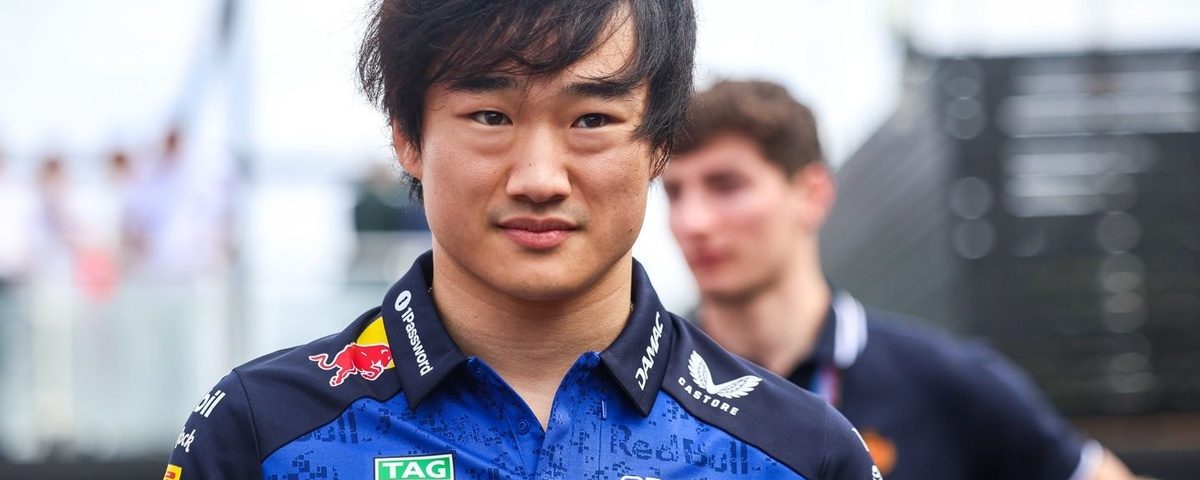
In an unexpected turn of events, Yuki Tsunoda finds himself at a crossroads in his Formula 1 career. After a disappointing 2025 season that saw him score only 30 points across 22 races and finish 17th in the championship standings, the Red Bull Racing team has relegated him to a reserve driver role. Team principal Laurent Mekies has publicly stated that Tsunoda deserves another opportunity to return to full-time racing, igniting discussions among fans and analysts alike regarding the future of this young driver.
Formula 1: What You Need to Know
Tsunoda’s demotion has opened the floor for an exploration of similar historical moments in Formula 1, where drivers have faced setbacks only to rise again, or conversely, where such relegations have marked the end of their racing careers. The world of Formula 1 is rife with stories of comebacks and failures, each with its own set of variables that contribute to the trajectory of a driver’s career.
Historical Context
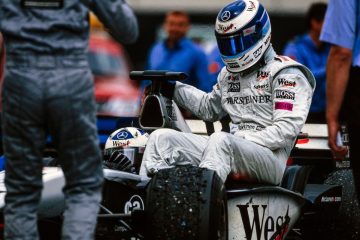
The narrative of Yuki Tsunoda is not unique in the annals of Formula 1. Over the years, numerous drivers have experienced similar demotions, with varying outcomes. For instance, the case of Jenson Button provides a compelling comparison. After a string of underwhelming performances, Button found himself without a seat in 2006, only to return triumphantly in 2009 with Brawn GP, clinching his first and only championship title. This serves as an example of how a driver can regain confidence and perform exceptionally after a setback.
Conversely, consider the story of Romain Grosjean. After a promising start to his career, he faced multiple seasons of poor race results and eventually lost his place in the sport. Although Grosjean showed flashes of brilliance, his inability to maintain consistency ultimately led to his exit from Formula 1, highlighting that not all demotions lead to redemptive comebacks.
These historical examples underline the unpredictability of Formula 1. They reveal the intricate balance of talent, team dynamics, and mental resilience required to navigate the pressures of high-stakes racing. In Tsunoda’s case, the question must be asked: can he harness the lessons from the past to fuel a successful return to full-time racing?
Factors Influencing Tsunoda’s Future
Tsunoda’s journey back to full-time racing will rely on several key factors. First and foremost, his ability to learn from his previous season will be crucial. Performance improvements in qualifying and race strategy will be vital, as consistent results are necessary to earn the trust of the Red Bull team.
Analysis & Key Takeaways
Additionally, the psychological aspect of returning as a reserve driver cannot be underestimated. The pressure to perform in a reserve role while watching colleagues race can be daunting. However, many drivers have used this time to refine their skills and return stronger. Tsunoda must view this period as an opportunity for growth rather than an obstacle.
Moreover, the current landscape of Formula 1 is evolving, with younger talents emerging and the competitiveness of teams constantly shifting. Tsunoda’s comeback will also depend on the decisions made by Red Bull regarding their driver lineup and the performance of their current drivers. If internal competition remains fierce, the path to reclaiming his seat could be even more challenging.
The Formula 1 championship landscape is ever-changing, and Tsunoda’s journey will be closely watched by fans and analysts alike. As he navigates this transitional phase, his determination to succeed will be paramount.
Looking Ahead
As we await Tsunoda’s next move, the larger question remains: what does this mean for the future of driver comebacks in Formula 1? Historically, the sport has seen many drivers rise from the ashes, using their experiences to fuel their careers. Tsunoda’s case could serve as a barometer for how teams view resilience and second chances in the fast-paced world of Formula 1.
Ultimately, whether Yuki Tsunoda can turn his situation around will depend not only on his personal performance but also on the team’s willingness to invest in his potential. If history has taught us anything, it’s that in Formula 1, anything can happen. Tsunoda’s story may very well become one of hope and resurgence, or it could serve as a cautionary tale, depending on how the next chapter unfolds.
As we observe Tsunoda's situation, we can’t help but reflect on the cyclical nature of driver careers in Formula 1. There’s a thin line between a fleeting moment of glory and a prolonged struggle for relevance, especially for young talents. As much as we support the idea of giving drivers a second chance, it’s essential to recognize the competitive environment that Formula 1 presents.<br />
The mental fortitude required to bounce back from a demotion is immense, and we must consider how Tsunoda’s character will come into play. While he possesses undeniable skill, the psychological toll of this experience could either break him or forge a more formidable competitor. We are eager to see how he responds to this challenge, and whether he can ultimately replicate the success stories of past comebacks, or if he will become another statistic in the tough world of Formula 1.
Source: Yuki Tsunoda deserves a return to full-time racing, says Laurent Mekies
Sports News Plus is a news aggregator. We do not own or claim rights to any images, videos, or source content featured on this site. All images and media are the property of their respective original owners and publishers. Article content is independently written based on publicly available news sources, which are credited and linked throughout. Full disclosure →