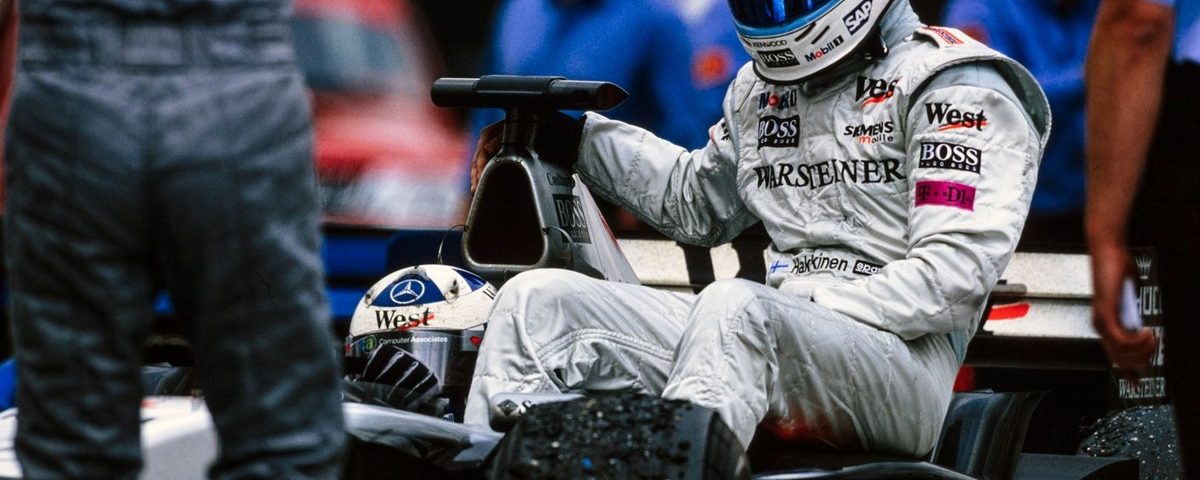
- Mika Hakkinen retired from the lead on the last lap of the 2001 Spanish Grand Prix.
- This race marked a significant moment in Hakkinen's challenging final F1 season.
- The incident highlights the unpredictability of Formula 1 racing and its impact on championship standings.
- Hakkinen's retirement influenced the championship battle, emphasizing consistency over speed.
- The legacy of that race continues to resonate with contemporary drivers facing similar pressures.
On 29 April 2001, Formula 1 fans witnessed a moment of heartbreak as two-time world champion Mika Hakkinen retired from the lead in the Spanish Grand Prix during the final lap. Competing at the Circuit de Catalunya in Montmelo, Hakkinen had been racing at the front for much of the day, only to succumb to mechanical failure just moments away from what would have been a defining victory. This incident not only marked the end of a race but also encapsulated the struggles Hakkinen faced in what would be his final season in the sport.
Formula 1: What You Need to Know
Hakkinen’s 2001 season was fraught with challenges. He had already faced setbacks, including a crash in Australia due to suspension failure and a disappointing sixth-place finish in Malaysia amidst changing weather conditions. His struggles were compounded by the emergence of new talent and shifting team dynamics within McLaren, as they battled with rival teams for supremacy. Consequently, his last-lap retirement in Spain served as a poignant reminder of the razor-thin margins that define success and failure in Formula 1 racing.
The Spanish Grand Prix that year was not only a pivotal moment for Hakkinen but also a significant event in the championship race. As drivers navigated the high-speed corners and strategic pit stops, the dynamics of the race shifted constantly. Hakkinen’s lead was challenged by the likes of Ferrari’s Michael Schumacher, who would ultimately benefit from Hakkinen’s misfortune. This incident underscored the importance of reliability in a championship campaign, as every point counts in the fierce battle for the title.
As we reflect on Hakkinen’s career, it’s essential to analyze how this event resonates within the broader context of Formula 1. The unpredictability of racing means that the best-laid plans can unravel in an instant. Teams and drivers must consistently adapt to the challenges posed by both the circuit and their competition. Hakkinen’s experience in 2001 serves as a reminder that mechanical failures, driver errors, and strategic miscalculations can all play critical roles in shaping race results and, ultimately, the championship standings.
Analysis & Key Takeaways
The fallout from Hakkinen’s retirement was profound. It allowed other drivers, particularly Schumacher, to gain crucial points in the championship standings. The 2001 season would go on to see Schumacher dominate, further amplifying the sense of frustration for Hakkinen and his McLaren team. The contrasting approaches between Ferrari’s reliability and McLaren’s speed showcased the duality of Formula 1 racing, where both elements are necessary for success.
Hakkinen’s departure from the lead in the closing moments of the Spanish Grand Prix also highlights a common theme in motorsport: the emotional toll of competition. For many drivers, the pressure to perform at the highest level can lead to a complex mix of anxiety and determination. Hakkinen’s struggles that season illustrate how the psychological aspects of racing can sometimes overshadow pure talent and skill.
Looking ahead, the legacy of Hakkinen’s last-lap heartbreak continues to influence new generations of Formula 1 drivers. Today’s competitors face similar pressures, with the stakes as high as ever. The lessons learned from Hakkinen’s experience serve as a reminder for current drivers and teams that resilience and adaptability are key components in the quest for championship glory. The ability to maintain composure in high-pressure situations often separates the champions from the rest of the field.
In conclusion, Mika Hakkinen’s last-lap retirement at the 2001 Spanish Grand Prix remains etched in the annals of Formula 1 history. It serves as a powerful illustration of the unpredictability of racing and the myriad factors that can influence race results and championship outcomes. As the sport evolves, it is crucial for drivers and teams to remember the lessons from the past, applying them to their strategies on the track in pursuit of success.
As we analyze Hakkinen's story, we can't help but draw parallels to the current crop of Formula 1 drivers facing similar pressures. The sport has evolved significantly, but the essence of racing—where mechanical reliability and driver performance intertwine—remains the same. We see young talents like Lando Norris and George Russell navigating intense competition, and the stakes are just as high. Will they learn from the heartbreaks of legends like Hakkinen, or will they be caught in the same trap of misfortune?<br />
Moreover, we can't overlook the strategic implications for teams. The 2001 season taught McLaren a harsh lesson about consistency. In today's climate, with the introduction of new regulations and the rise of competitive teams, the importance of a reliable car cannot be overstated. Teams that can balance speed with durability are likely to emerge as the frontrunners in upcoming seasons, just as Ferrari did in Hakkinen's time. The lessons of the past remain relevant, shaping the future of Formula 1 racing.
Source: On this day: Hakkinen’s last-lap heartbreak
Sports News Plus is a news aggregator. We do not own or claim rights to any images, videos, or source content featured on this site. All images and media are the property of their respective original owners and publishers. Article content is independently written based on publicly available news sources, which are credited and linked throughout. Full disclosure →