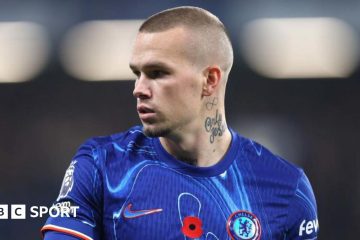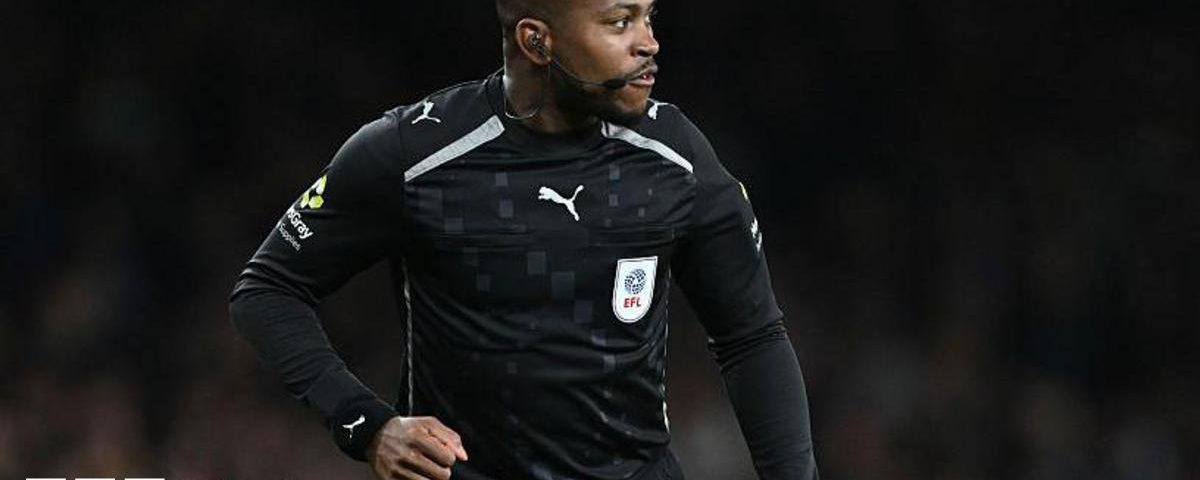
- Akil Howson will officiate the FA Cup final between Chelsea and Manchester City.
- He is the first black official to achieve this milestone in the tournament's history.
- This decision reflects broader efforts to increase diversity in football officiating.
- Historical precedents show that increased representation often leads to positive outcomes.
- Howson's role could inspire future generations of officials from diverse backgrounds.
In an unprecedented move for English football, Akil Howson is set to officiate the FA Cup final between Chelsea and Manchester City on May 30, 2026. This monumental occasion marks the first time a black official has been appointed to oversee this historic match, reflecting ongoing efforts to enhance diversity within the sport’s officiating ranks. The appointment not only signifies a step forward for the FA but also resonates with a growing demand for inclusivity in football.
FA Cup final: What You Need to Know
The importance of representation in sports cannot be overstated. Howson’s appointment comes at a time when the football community is increasingly acknowledging the need for diverse voices on the pitch. As the match result of this high-stakes game could impact both teams’ legacies in the Premier League, Howson’s role as the referee will be closely scrutinized, adding another layer of historical significance to the final.
Historical Context
To understand the implications of Howson’s appointment, it’s essential to examine similar milestones in football history. The sport has seen gradual improvements in diversity over the years, from players to coaching staff. For instance, when Ruud Gullit became the first black manager to win a major trophy in England with Chelsea in 1997, it marked a significant turning point. His success paved the way for future generations, demonstrating that diversity can lead to success on the field.
Similarly, the appointment of the first female assistant referee in a major men’s tournament—French official Stéphanie Frappart at the UEFA Super Cup in 2019—was a watershed moment. It represented a shift in perceptions regarding women’s roles in football, and since then, more women have been included in officiating roles across various competitions, including the Premier League.
Analysis & Key Takeaways
The outcomes of these historical moments suggest that representation does more than just break barriers; it can elevate the standard of officiating and inspire future generations. With Howson’s debut in the FA Cup final, we may witness a ripple effect that encourages more diverse participation in football officiating, potentially leading to a more equitable environment within the sport.
As we look ahead, Howson’s presence on the pitch could influence the landscape of football officiating significantly. The visibility of a black official in such a prominent role sends a powerful message to aspiring referees from varied backgrounds. It emphasizes that they too can rise to the highest echelons of the sport, impacting the match result of games that hold immense significance for clubs and fans alike.
The challenges faced by officials, particularly those from underrepresented communities, cannot be overlooked. However, Howson’s journey serves as a beacon of hope, showcasing that dedication and talent can break through the barriers that have historically limited opportunities for many. The football community must continue to support these advancements, ensuring that the officiating ranks reflect the diversity of the players and fans they serve.
As we ponder what lies ahead for the FA Cup final, the stakes extend beyond the match itself. Howson’s role represents a chance to redefine traditions and approach inclusivity in football with newfound vigor. His officiating could catalyze more discussions around diversity, pushing governing bodies to evaluate their processes and ensure that everyone has a seat at the table—be it on the pitch or in the stands.
The match result between Chelsea and Manchester City will be keenly anticipated, not only for its implications on the Premier League standings but also for the impact it could have on the future of officiating in football. With Howson in the spotlight, we may very well witness a transformative moment in the sport that reverberates for years to come.
As we reflect on Howson's appointment, it's crucial to acknowledge that this is more than just a historic milestone; it's a pivotal moment for the future of officiating in football. We believe that Howson’s role will serve as a powerful narrative that resonates beyond the confines of the FA Cup final. It could inspire younger referees, particularly from underrepresented backgrounds, to pursue their dreams within the sport.<br />
Furthermore, this moment should serve as a catalyst for footballing bodies to actively promote inclusivity and diversity in all levels of officiating. The football community's responsibility is to ensure that this is not a one-off event but part of a broader commitment to fostering a diverse sporting environment. The legacy of Howson's appointment will depend on how organizations continue to embrace change—an essential task as we navigate the ongoing evolution of football.
Source: Howson to make history as first black FA Cup final official
Sports News Plus is a news aggregator. We do not own or claim rights to any images, videos, or source content featured on this site. All images and media are the property of their respective original owners and publishers. Article content is independently written based on publicly available news sources, which are credited and linked throughout. Full disclosure →