- Colton Herta's raw speed is his key argument for joining Formula 1.
- As a test driver for Cadillac F1, Herta's performance in F2 is crucial.
- Herta must secure a top-10 finish in F2 to earn a potential race seat.
- His transition from IndyCar to F2 reflects a strategic career move.
- The competition in F1 is fierce, making Herta's challenge significant.
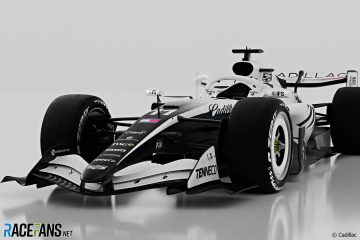
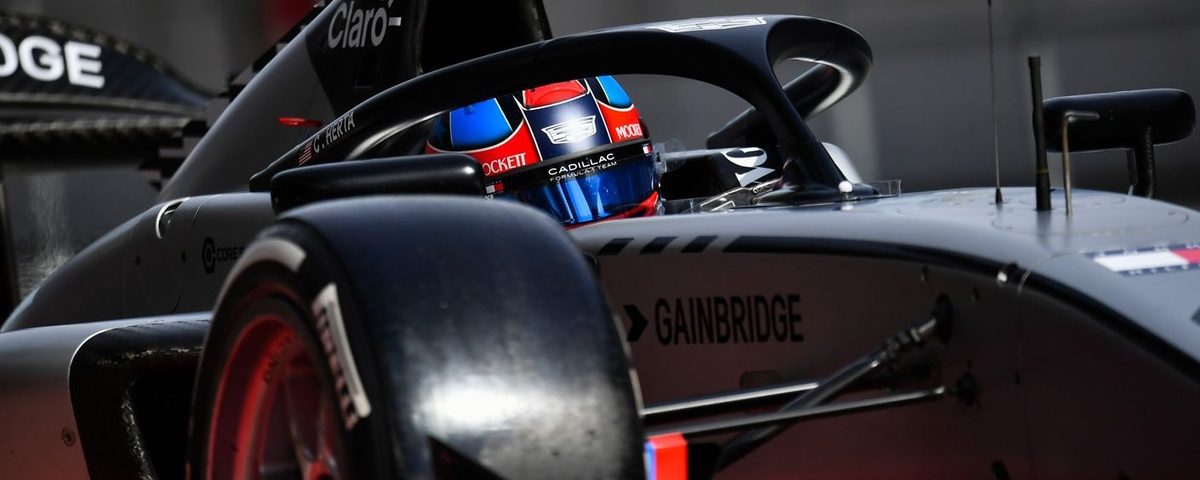
Colton Herta, an emerging talent in motorsport, is making headlines as he shifts focus from IndyCar to Formula 2, aiming for a coveted seat in Formula 1. As of April 29, 2026, Herta has joined Cadillac’s F1 team as a test and development driver. The stakes are high; he needs to excel in F2, where finishing in the top 10 of the standings is a prerequisite for being considered for a full-time race seat by Cadillac. Herta’s raw speed on the track is his primary argument for why he deserves a chance in the pinnacle of motorsport.
Formula 1: What You Need to Know
The switch to F2 isn’t merely a lateral move; it represents a strategic pivot in Herta’s career. Known for his remarkable pace in IndyCar, where he consistently delivered strong race results, Herta’s decision to step into F2 underscores a desire to refine his skills for the unique challenges presented by Formula 1. The F1 landscape is distinctly different from IndyCar, with its own set of technical demands and race strategies. Herta’s ability to adapt and continue showcasing his speed will be essential as he attempts to navigate this transition.
Herta’s performance in F2 will be closely monitored, not just by Cadillac but by the broader motorsport community. His success is pivotal, as he seeks to prove that he can handle the pressures of qualifying and racing in a highly competitive environment. His recent comments highlight confidence in his speed, but the real test lies in whether he can consistently deliver in a series where every millisecond counts.
Tactical Breakdown
To fully appreciate Herta’s potential impact on Formula 1, we need to analyze the tactical dimensions of his performance. In F2, drivers face a unique set of challenges that differ significantly from those in IndyCar. The format of F2 races, which includes a qualifying session, a sprint race, and a feature race, requires drivers to maintain peak performance throughout multiple race styles within a single weekend. Herta’s challenge will be mastering these varied conditions while demonstrating the raw speed that he believes makes him a prime candidate for an F1 seat.
Moreover, the technical specifications of F2 cars differ from those in both IndyCar and F1. The downforce levels, tire compounds, and overall car dynamics will require Herta to adapt his driving style significantly. As he competes against a field of talented young drivers, key battles will emerge, particularly in qualifying sessions where establishing a strong starting position can dramatically affect race outcomes. Herta will need to leverage his experience to find the optimal balance between aggressive qualifying runs and maintaining tire performance during races.
Analysis & Key Takeaways
In addition, the mental aspect of racing in F2 cannot be overlooked. The pressure to secure a top-10 finish is immense, especially with the spotlight on him as a future F1 prospect. The ability to perform under pressure, execute strategic overtakes, and manage race pace will determine not just his immediate success in F2 but also his long-term viability in Formula 1.
The Road Ahead for Herta
As Herta navigates the complexities of F2, the implications for his future in Formula 1 extend beyond just his performance numbers. If he can consistently demonstrate speed and adaptability, he may not only secure a race seat with Cadillac but also pave the way for other IndyCar talents eyeing a move to F1. The motorsport community has been abuzz with discussions about the potential influx of drivers from other racing series; Herta could be at the forefront of this trend.
However, the road is fraught with challenges. The competition in F2 is fierce, with numerous talented drivers vying for limited spots in F1. Herta’s journey will serve as a litmus test for whether raw speed alone is enough to earn a place in a championship that requires a blend of skill, strategy, and mental fortitude. Should he falter, it may serve as a cautionary tale for others considering a similar path.
In conclusion, Colton Herta represents an intriguing new chapter for the Formula 1 landscape. His transition from IndyCar to F2 could not only redefine his career but also influence how teams scout and nurture talent in the ever-evolving world of motorsport.
At the SNP editorial desk, we believe that Colton Herta's journey from IndyCar to Formula 1 via F2 isn't just about his personal ambitions; it reflects a broader trend in motorsport. We’re witnessing a growing willingness among teams to invest in young talent from diverse racing backgrounds. If Herta succeeds in F2, it may encourage other drivers from different series to make similar leaps, potentially reshaping the talent pool in Formula 1.<br />
Moreover, Herta’s journey could highlight the importance of adaptability in modern racing. As the sport evolves, drivers need to be versatile, mastering different car technologies and racing formats. Herta’s ability to transition smoothly could serve as a blueprint for future drivers aiming for success in the ever-competitive F1 arena. Ultimately, the story of Herta could be a pivotal narrative in the reshaping of talent acquisition strategies in Formula 1.
Source: Colton Herta: Raw speed my best argument to get F1 seat
Sports News Plus is a news aggregator. We do not own or claim rights to any images, videos, or source content featured on this site. All images and media are the property of their respective original owners and publishers. Article content is independently written based on publicly available news sources, which are credited and linked throughout. Full disclosure →