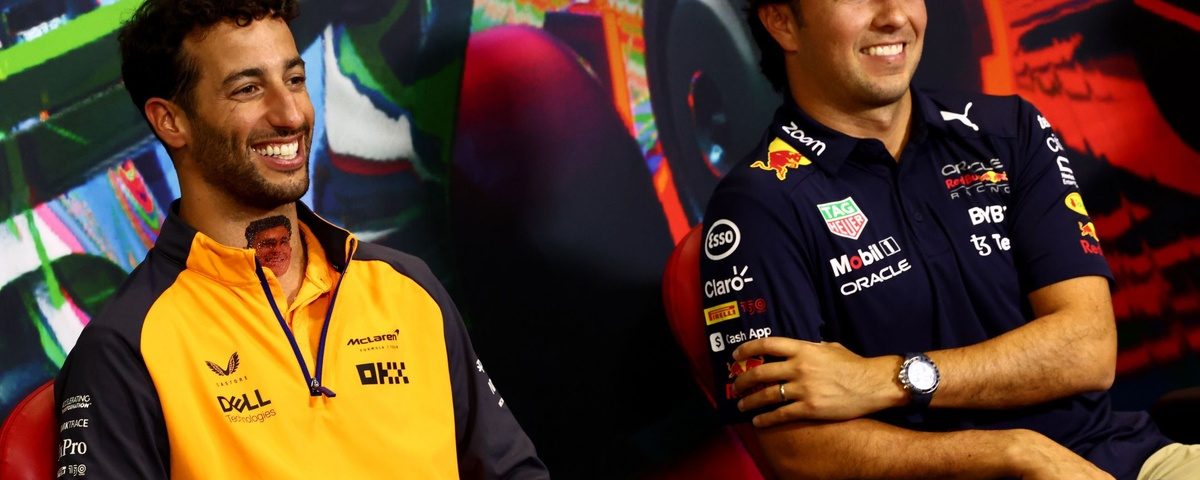
- Max Verstappen has spent 11 years with Red Bull Racing, highlighting long-term driver-team relationships.
- The trend of drivers remaining with a single team is changing the dynamics of race results and championship battles.
- Lewis Hamilton's 12 seasons at Mercedes exemplify the shift toward sustained loyalty in Formula 1.
- Young talents like Charles Leclerc are building their legacy in teams with rich histories, such as Ferrari.
- The future of driver contracts may continue to favor stability, impacting team strategies and racing outcomes.
The landscape of Formula 1 is increasingly characterized by long-term relationships between drivers and their teams. In recent discussions, it has been noted that Max Verstappen has remained with Red Bull Racing for 11 years, while Lewis Hamilton has spent 12 seasons with Mercedes. This trend reflects a broader movement within the sport toward longer contracts and fewer team changes, marking a departure from the previous era where drivers frequently switched teams in search of better opportunities. This article delves into the implications of this evolution on race results, championships, and the future of driver-team dynamics.
Formula 1: What You Need to Know
As we analyze the current state of Formula 1, it becomes evident that the modern driver is increasingly becoming synonymous with their team. Verstappen’s tenure at Red Bull and Hamilton’s longevity with Mercedes have not only reshaped their careers but have also influenced their teams’ strategies. By fostering a strong driver-team bond, these athletes have been able to develop a deep understanding of their vehicles, leading to improved performance on race day. This connection is vital in a sport where every fraction of a second can determine the outcome of a race.
The trend toward loyalty is particularly evident in high-profile teams like Ferrari, where Charles Leclerc is establishing himself as a key figure. Having raced in a significant number of Grands Prix for the Scuderia, Leclerc is positioning himself to become one of Ferrari’s all-time greats. This kind of loyalty enhances the team’s brand and creates a narrative that fans engage with, adding an emotional dimension to the sport that resonates deeply with both new and die-hard followers.
Moreover, the implications of long-term contracts extend beyond individual drivers or teams. With fewer drivers changing teams, we may see a stagnation in the market for driver talent. This could lead to a more predictable championship landscape where established stars consistently battle for dominance, which may ultimately affect fan engagement. The excitement of fresh rivalries and unexpected team changes could diminish, leading to a potential decline in viewership over time.
Analysis & Key Takeaways
The current trend also raises questions about the development of emerging talent. With seasoned drivers securing long tenures at their teams, young drivers may face increased barriers to entry. The challenges of breaking into a top-tier team, where seat availability is scarce, could result in a bottleneck effect. We could see a rise in talented drivers who, despite their skills, find it challenging to secure competitive seats in Formula 1.
Another layer to consider is the psychological aspect of the driver-team relationship. When drivers invest years in one team, they build a sense of identity and loyalty that can lead to greater mental resilience during high-pressure situations. As they become more integrated into the team’s culture, their performance on the track may improve, leading to better race results and championship standings. This reliance on psychological stability may also influence team strategies for race weekends, as they factor in the unique understanding each driver has developed with their engineers and mechanics.
As we look toward the future of Formula 1, it is essential to monitor how these trends evolve. Will the sport shift once again toward a more dynamic environment where drivers frequently switch teams? Or will we continue to see a consolidation of talent within a few key organizations? The outcome will undoubtedly shape the next generation of racing, influencing everything from race results to championship narratives.
As Formula 1 navigates this new era of team loyalty and driver stability, fans and analysts alike will be watching closely. The stories that unfold on the racetrack will not only captivate us but will also define the future of this iconic motorsport.
At our editorial desk, we believe the implications of long-term driver contracts extend beyond individual teams and drivers; they could redefine the very essence of competition within Formula 1. While a sense of loyalty can enhance team performance, it may inadvertently stifle the unpredictability that fans cherish. As established stars dominate the grid, new talents may struggle to find their footing, leading to a homogenous championship landscape that could diminish excitement.<br />
Moreover, the evolution of driver-team relationships also invites scrutiny regarding the financial dynamics of the sport. With fewer teams willing to invest in young, unproven talent, the sport may skew toward a model that prioritizes stability over innovation. This could have long-term consequences for viewer engagement and the sport's overall growth. Ultimately, as we navigate this trend, it’s vital for the sport to strike a balance between loyalty and competitive dynamism, ensuring that the thrill of racing remains at the forefront of Formula 1's narrative.
Source: Which modern Formula 1 driver raced for the most teams?
Sports News Plus is a news aggregator. We do not own or claim rights to any images, videos, or source content featured on this site. All images and media are the property of their respective original owners and publishers. Article content is independently written based on publicly available news sources, which are credited and linked throughout. Full disclosure →