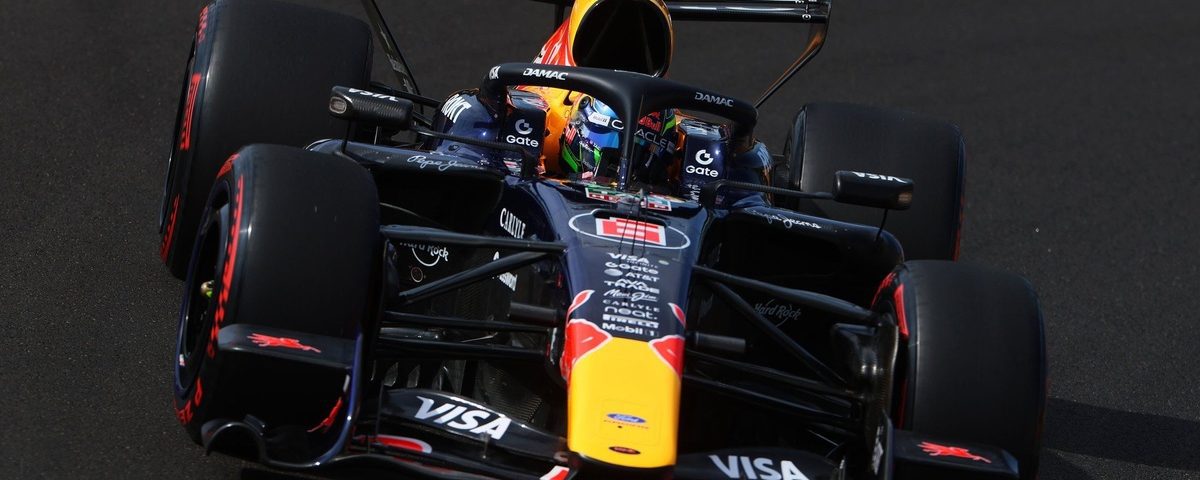
- The Red Bull Ford Powertrains project has greatly surpassed internal expectations.
- This initiative is set to redefine the competitive landscape of Formula 1.
- Fan excitement around the project is palpable, with lively discussions on social media.
- Supporters are optimistic about their team's championship prospects as 2026 approaches.
- The success of this project could position Red Bull as a dominant force in future seasons.
In a significant development for Formula 1, the Red Bull Ford Powertrains project has reportedly exceeded expectations, as highlighted by former Red Bull mechanic Calum Nicholas. This ambitious initiative, which aims to create a new line of power units for the 2026 season, comes ahead of a major regulatory shift that will introduce a near 50:50 split between internal combustion engines and electric power systems. The announcement, made on July 27, 2026, showcases Red Bull Racing’s commitment to innovation and competitiveness as they prepare for the upcoming championship battles.
Red Bull Ford Powertrains: What You Need to Know
The introduction of the Red Bull Ford Powertrains project is monumental not only for the team but for the entire Formula 1 landscape. With the new regulations set to change the dynamics of racing, teams are scrambling to adapt their strategies and engineering capabilities. Red Bull’s decision to take manufacturing into their own hands represents a bold gamble that could pay off in a big way, particularly given the success they’ve enjoyed in previous seasons.
As fans eagerly await the 2026 season, the excitement surrounding the Red Bull Ford Powertrains project has ignited discussions across social media platforms. Many supporters view this venture as a turning point for the team. On Twitter and Reddit, fans are buzzing about the potential impact of these new power units, speculating how they could influence race results during qualifying sessions and throughout the championship. Some are heralding this as the start of a new era, while others express skepticism about whether Red Bull can maintain their performance level while managing the transition to a new power unit.
The emotional investment from fans is particularly evident as they debate the implications for their team’s championship hopes. Supporters are optimistic, with many believing that if the Red Bull Ford Powertrains project delivers as promised, it could solidify their team’s place at the top of the grid. The atmosphere is charged with speculation; discussions range from the technical aspects of the new power units to potential rivalries that may emerge as other teams scramble to catch up.
Analysis & Key Takeaways
In recent years, Red Bull has demonstrated a remarkable ability to innovate and push the boundaries of performance, which has only heightened expectations surrounding this new project. Already, fans are analyzing how this development might affect their favorite drivers’ performances. With qualifying sessions becoming more crucial, the anticipation for how the Red Bull Ford Powertrains will perform under race conditions is palpable, as supporters look for evidence of superiority in upcoming races.
Moreover, there’s a growing sense of urgency within the fan community. As the 2026 season draws closer, many are debating not just the technical merits of the new power units, but also how Red Bull’s investment will influence the season’s overall championship narrative. With a successful rollout, Red Bull could not only dominate the race results but also reshape the competitive hierarchy of Formula 1.
In addition to the technical and competitive implications, the fan reaction is an essential aspect of this story. The discussions occurring online reflect a deep emotional connection to the team and its performance. This kind of engagement is crucial for the sport as it transitions into a new era. The excitement for the Red Bull Ford Powertrains project illustrates how fans are eager for their teams to embrace innovation while remaining grounded in the rich traditions of Formula 1 racing.
As we look ahead, the successful execution of the Red Bull Ford Powertrains project could have far-reaching implications. Should it prove successful, we may witness a shift in the championship dynamics, with Red Bull potentially establishing a new standard for performance in Formula 1. The upcoming seasons will not only test Red Bull’s engineering capabilities but also their ability to engage and inspire their fan base.
With this project, Red Bull Racing is not just building power units; they are cultivating an identity that could redefine their future in Formula 1.
As we analyze the unfolding narrative around the Red Bull Ford Powertrains project, it becomes clear that this venture is about more than just technological advancement—it represents a shift in how teams operate within Formula 1. The successful execution of this project could set a precedent for other teams to follow, potentially disrupting the status quo that has long defined the sport. If Red Bull can leverage their engineering prowess effectively, they may not only secure race wins but also foster a new wave of innovation among competitors.<br />
Furthermore, we believe that fan engagement will play a crucial role in how this transition is perceived. Passionate discussions surrounding the power units can translate into increased support at races, enhancing the overall atmosphere of the championship. As the project develops, we expect to see more fan-driven content and analysis emerge, creating a richer tapestry of narratives that will accompany the 2026 season and beyond.
Source: "Monumental" Red Bull Ford Powertrains project has exceeded expectations, says Calum Nicholas
Sports News Plus is a news aggregator. We do not own or claim rights to any images, videos, or source content featured on this site. All images and media are the property of their respective original owners and publishers. Article content is independently written based on publicly available news sources, which are credited and linked throughout. Full disclosure →