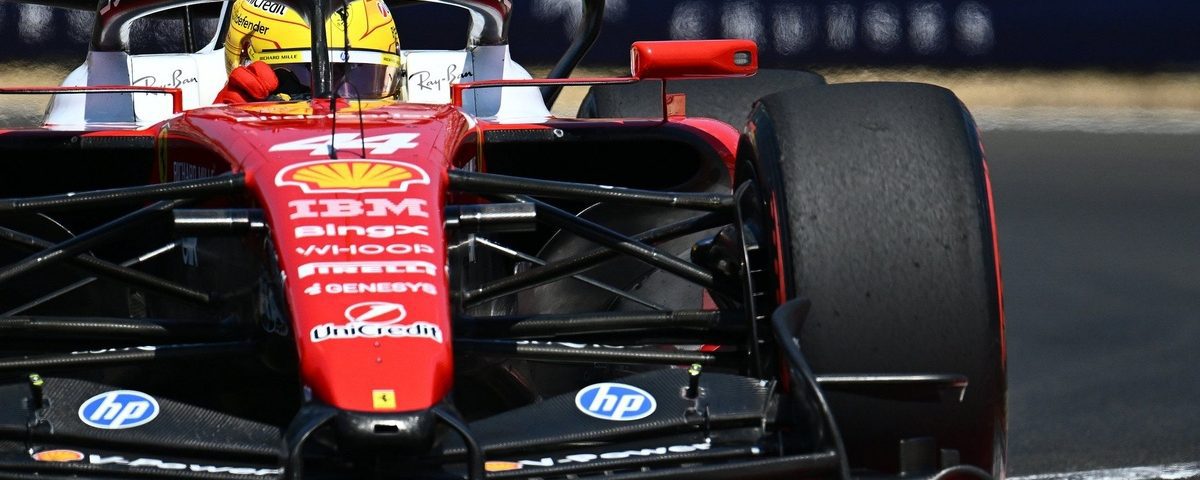
- Ferrari's SF-26 chassis, praised for its agility, failed to secure a podium in Hungary.
- Both Lewis Hamilton and Charles Leclerc faced unexpected challenges during qualifying.
- The performance raises doubts about Ferrari's championship viability this season.
- Upcoming circuits may not favor the SF-26's strengths, complicating their race strategy.
- Fan expectations shift as they brace for possible driver changes or strategic re-evaluations.
Formula 1 In a dramatic turn of events at the Hungarian Grand Prix, Ferrari’s hopes for a podium finish were dashed, leaving fans and analysts puzzled. The race, held on July 26, 2026, showcased not only the team’s struggles but also highlighted the competitive nature of the current Formula 1 season. Despite having one of the most agile chassis on the grid, the SF-26 failed to perform to expectations, particularly in qualifying and race conditions.
During the qualifying rounds, both Lewis Hamilton and Charles Leclerc were unable to secure the pole position, which many saw as a critical opportunity for Ferrari. The challenges faced by the team have sparked widespread discussion about the SF-26’s capabilities. While the car is lauded for its cornering speed, it seems that Ferrari’s competitors, equipped with superior engines and aerodynamic setups, have found a way to exploit its weaknesses, particularly in a circuit like Hungary that tests every aspect of a car’s performance.
Looking ahead, the implications of Ferrari’s performance in Hungary could resonate throughout the remainder of the season. With upcoming fixtures that include the high-speed circuits of Spa-Francorchamps and Monza, the team’s struggles could prove detrimental. These tracks typically favor cars with strong straight-line performance, a characteristic that Ferrari has not consistently demonstrated this year. The SF-26’s agility may not be enough to counterbalance the horsepower advantages held by rival teams, making it essential for Ferrari to reassess their strategy moving forward.
As the 2026 Formula 1 championship progresses, the pressure mounts on Ferrari to deliver results. Current standings show the team trailing significantly behind the leaders, and with every race that passes without significant points, the possibility of them falling further behind becomes increasingly likely. This situation raises questions about potential changes within the team, including driver contracts and strategic decisions. The increasing pressure from fans and stakeholders could lead to a reevaluation of the team’s long-term goals.
Additionally, the performance in Hungary raises concerns about team morale, which can impact future races. With the upcoming summer break, Ferrari has a critical opportunity to regroup and analyze their performance thoroughly. The hope is that they can find solutions to enhance the SF-26’s performance and ensure they remain competitive in the championship race. However, if the trend continues, we might even see discussions of driver changes or tactical adjustments to the engineering team before the season concludes.
As we look at the broader picture of the Formula 1 championship, it’s clear that Ferrari’s failure to secure a podium in Hungary is more than just a single race result. It is a pivotal moment that could define their season trajectory. The key for Ferrari is to balance fan expectations with the reality of their performance and make the necessary adjustments to remain relevant in a fiercely competitive sport.
Upcoming Fixtures and Their Significance
The next races will be crucial for Ferrari as they navigate through circuits that are significantly different in layout and requirements. The Belgian Grand Prix at Spa, known for its fast straights and elevation changes, will be a true test of the car’s capabilities. Following that, they head to Monza, a track that traditionally favors high-speed setups. If Ferrari cannot capitalize on these events, the team may find itself in a precarious position as the season progresses.
With the championship standings tightening, Ferrari must not only focus on performance but also on how they can regain confidence from their fans. The expectations are high, and any further setbacks could lead to a loss of support from a passionate fan base that has long waited for a return to championship glory.
Potential Consequences for Team Dynamics
The fallout from the Hungary race could also lead to significant shifts within the team. If performance does not improve, we might see discussions surrounding driver contracts, especially concerning Leclerc’s future with the team. The pressure to perform in Formula 1 is immense, and with Ferrari’s rich history, the expectation for success is even higher.
Fans begin to wonder if a change is necessary, not just in terms of car setup but possibly in leadership and driving personnel. Strategic decisions made during the summer break will be closely watched, as they will indicate whether Ferrari is committed to reclaiming their status at the top of the sport.
Without a doubt, the race result in Hungary has set the stage for a tense summer for Ferrari, filled with reflection, recalibration, and potentially significant changes in their approach to the remaining rounds of the 2026 Formula 1 season.
From our perspective, the challenges faced by Ferrari in Hungary signal a critical juncture in their season. It’s clear that their current strategy may not suffice against more competitive teams like Mercedes and Red Bull, which have shown superior performance in key areas. We believe that Ferrari must embrace a more aggressive approach in both engineering and race tactics if they hope to salvage their championship hopes.<br />
Moreover, the psychological aspect of racing cannot be ignored. The pressure on Leclerc and the team could lead to mistakes in the upcoming races. It would not be surprising to see a shake-up in driver strategy or even a shift in team leadership if these trends continue. We anticipate that this could lead to a dramatic overhaul, as Ferrari seeks to reestablish itself as a title contender.<br />
In conclusion, while it’s easy to dismiss the Hungary race as just one of many in a long season, the implications for Ferrari are profound. The next few races will be pivotal, not just for points, but for the very identity of the team as they strive to return to their winning ways in the Formula 1 championship.
Source: Ferrari meltdown: How the best chassis in F1 flunked a podium finish in Hungary
Sports News Plus is a news aggregator. We do not own or claim rights to any images, videos, or source content featured on this site. All images and media are the property of their respective original owners and publishers. Article content is independently written based on publicly available news sources, which are credited and linked throughout. Full disclosure →