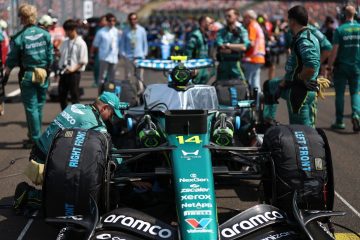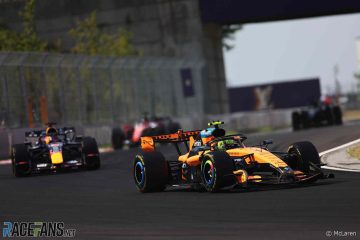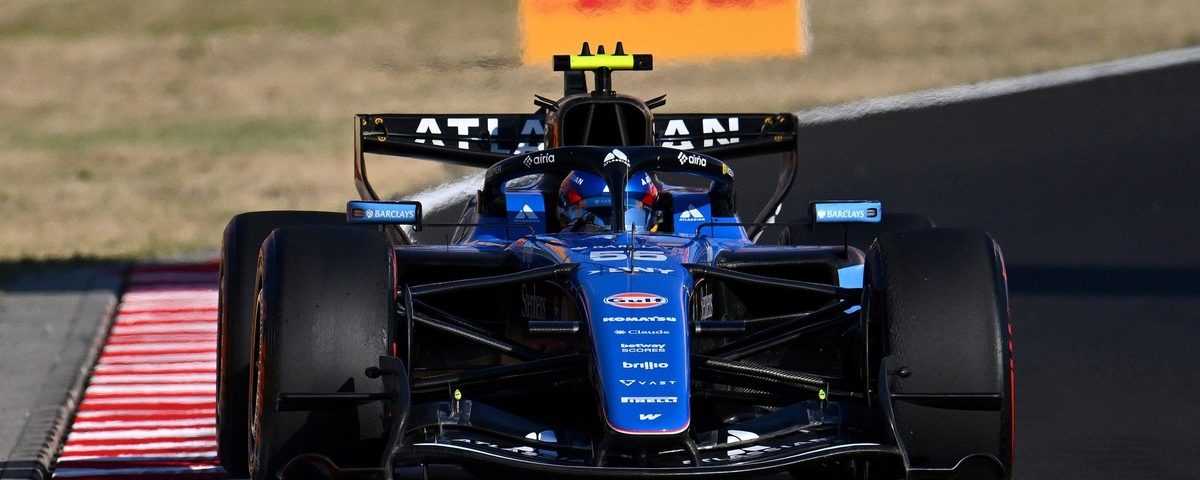
- Carlos Sainz received a five-second penalty for a collision with Oscar Piastri during the Hungarian Grand Prix.
- The stewards explained their leniency was due to the circumstances of the incident.
- Piastri was leading the race when the clash occurred, complicating the on-track dynamics.
- This incident highlights ongoing discussions about stewarding consistency in Formula 1.
- The implications for the championship race could be significant, as penalties affect driver standings.
During the 2026 Formula 1 Hungarian Grand Prix, Carlos Sainz found himself in the spotlight after being issued a five-second penalty for a collision with Oscar Piastri. The incident occurred on lap 38 while Piastri was leading the race. Sainz, who was being lapped at that moment, inadvertently collided with the McLaren driver, causing a stir in the paddock and among fans. The race took place on July 26, 2026, at the Hungaroring, a circuit known for its tight corners and challenging overtaking opportunities.
The stewards’ decision to impose only a five-second penalty instead of a harsher sanction has raised eyebrows within the motorsport community. Typically, such incidents can lead to more severe penalties, particularly when they involve leading drivers. The leniency shown towards Sainz has sparked discussions about the criteria used by race stewards when determining penalties. Factors such as driver intent, the circumstances surrounding the incident, and previous racing behavior all come into play, but the ultimate judgment can often appear subjective.
In the wake of this decision, questions arise about the standards being set for driver conduct and the implications for championship standings. With the Formula 1 season intensifying, each race result plays a critical role in the championship battle. Sainz’s penalties, when considered against the backdrop of broader stewarding decisions, could have lasting ramifications for the title race as it unfolds.
Understanding the Impact of Penalties in Formula 1
Penalties in Formula 1 are pivotal in shaping race outcomes and, consequently, the championship standings. The Sainz-Piastri incident illustrates how a seemingly minor penalty can have broader implications. A five-second penalty may seem manageable, but when applied to a driver who is in contention for points, it can dramatically alter their performance and position in the championship.
As we analyze the championship implications further, it becomes clear that consistency in stewarding is paramount. The five-second penalty for Sainz, while perhaps justified based on the incident’s context, stands in contrast to the penalties issued in other races. For example, drivers in previous races have faced harsher penalties for similar on-track behavior. This inconsistency can lead to frustration among drivers and teams, creating an environment of uncertainty that undermines the integrity of the sport.
Moreover, the psychological aspect of racing cannot be ignored. Drivers are acutely aware of the stewarding tendencies, and this knowledge can influence their racing behavior. For instance, if drivers perceive that certain actions may only result in minor penalties, they might be more inclined to take risks on the track. Conversely, strict penalties can lead to overly cautious driving, potentially stifling the competitive nature of the sport.
The Broader Context of Stewarding in Formula 1
The debate surrounding penalties in Formula 1 is not new. As the sport continues to evolve, the role of stewards is under increased scrutiny. With the introduction of new technologies and data analytics, one can argue that the ability to judge incidents should also advance. The FIA has made strides in ensuring that stewards are well-trained and equipped to make informed decisions, but the challenge remains to apply these rules consistently across the board.
In the context of the current championship, every point counts. The race results from events like the Hungarian Grand Prix can influence not only the standings but also the strategies employed by teams and drivers moving forward. For example, a driver who finishes just outside the points due to a penalty might alter their approach in subsequent races, impacting their overall performance.
As the season progresses, it will be interesting to see if there are calls for a reassessment of stewarding practices within Formula 1. Increased transparency in how penalties are applied could enhance trust among drivers and teams, while fostering a competitive spirit that the sport thrives on.
From our perspective, the decision to impose a five-second penalty on Carlos Sainz raises important questions about the consistency of stewarding in Formula 1. The stewards' rationale may have been sound in this specific case, but it opens the door to discussions about how incidents are judged across the board. We believe that a more standardized approach to penalties could benefit the sport, ensuring that all drivers are held to the same level of accountability.<br />
Furthermore, as the championship heats up, the decisions made by race stewards can have significant ramifications not just for individual races but for the entire season. If inconsistency continues, it may lead to growing discontent among teams and drivers, potentially undermining the integrity of the championship. As fans and analysts, we must advocate for clarity and fairness in stewarding to maintain the competitive spirit that makes Formula 1 captivating.
Source: Why Sainz only got a five-second penalty for Hungarian GP clash with Piastri
Sports News Plus is a news aggregator. We do not own or claim rights to any images, videos, or source content featured on this site. All images and media are the property of their respective original owners and publishers. Article content is independently written based on publicly available news sources, which are credited and linked throughout. Full disclosure →